Category: The Lab

  • Pope Leo AI Technologists Reaction: Vatican Ethics Meet Silicon Valley Hustle

    Pope Leo AI Technologists Reaction: Vatican Ethics Meet Silicon Valley Hustle

    Picture this: ancient marble halls echoing with Latin chants while across the ocean, neon-lit offices buzz with coders chugging energy drinks and racing against sprints. That’s the setup for the Pope’s AI warning clashing with Silicon Valley’s big shrug, and diving into Pope Leo AI technologists reaction shows just how comically mismatched these worlds can feel for beginners stepping into AI. The Vatican drops timeless ethics like a wise grandpa at the family reunion, yet tech hubs treat deadlines like an all-you-can-eat buffet of features. This culture clash turns serious topics into everyday comedy gold, like trying to explain moral algorithms to a team obsessed with launch metrics. Through stories and tips, we’ll unpack how Pope Leo AI technologists reaction plays out in real life, helping you navigate ethics without losing your hustle.

    The Pope’s AI Warning Sets the Stage

    Imagine Pope Francis or his successor framing AI as a tool that could reshape humanity, urging caution like a grandparent warning about too much screen time but with global stakes. In one extended example, a young developer in Rome gets an email from the Vatican about AI bias while debugging code at 2 AM in a shared workspace. He chuckles at the irony, realizing his app recommending jobs might accidentally favor certain resumes, much like the Pope warned. This sparks Pope Leo AI technologists reaction as he shares it in a Slack channel, turning a heavy topic into a light debate over pizza.

    Pope Leo AI Technologists Reaction to Ethical AI

    Technologists in the Valley often shrug at big-picture warnings because their days involve fixing bugs before coffee cools. Take the story of Sarah, a newbie coder who read the Pope’s message during lunch and tried applying it by auditing her chatbot for fairness. Her team laughed at first but then spotted real issues, like the bot ignoring diverse accents. Practical tip: start small by reviewing one dataset weekly for biases, step-by-step checking inputs, outputs, and edge cases to make ethics feel less like homework and more like smart debugging.

    Silicon Valley’s Big Shrug in Action

    Deadline-driven culture means warnings get filed under ‘nice idea’ while sprints roll on. A relatable anecdote involves a startup founder ignoring AI ethics talks to ship a facial recognition tool, only for it to misidentify users in funny yet frustrating ways during demos. This highlights the absurdity when ancient ethics meet hustle, prompting Pope Leo AI technologists reaction like memes circulating in group chats about ‘Vatican-approved code reviews.’ Tip: block 15 minutes daily to ask ‘what could go wrong ethically?’ and jot notes to build the habit without derailing progress.

    Everyday Life Examples of the Culture Clash

    Think of a family dinner where tech uncle debates AI with religious aunt, but scaled to boardrooms. One developer recounted pitching an AI health app and getting Vatican-inspired questions about privacy from investors, leading to hilarious revisions that improved trust. This shows Pope Leo AI technologists reaction fostering better products through unexpected lenses.

    Practical Tips for Beginners Facing AI Ethics

    Step one: read the warning summary in plain language. Step two: map it to your project like linking a database field to a moral guideline. Step three: test with diverse users for feedback. Anecdote: a student did this for a school project and avoided a bias pitfall, turning potential flop into a win that impressed mentors.

    Building Bridges Between Timeless Wisdom and Tech Hustle

    Lighthearted advice includes mixing ethics into standups as a fun icebreaker. Extended story of a team that added ‘Pope check’ jokes to their process, which surprisingly caught a data privacy slip before release.

    Conclusion and Key Takeaways

    In wrapping up, remember the Pope’s AI warning isn’t a roadblock but a quirky compass for tech paths. Pope Leo AI technologists reaction teaches us to laugh at the clash while learning from it. Call to action: try one ethical tweak in your next project and share your Pope Leo AI technologists reaction story online. Related search terms: AI ethics for beginners, Vatican tech warnings, Silicon Valley culture shock, moral AI coding tips, beginner AI bias checks.

  • Google AI Glasses Are Back: Upgrade or Old Hype?

    Google AI Glasses Are Back: Upgrade or Old Hype?

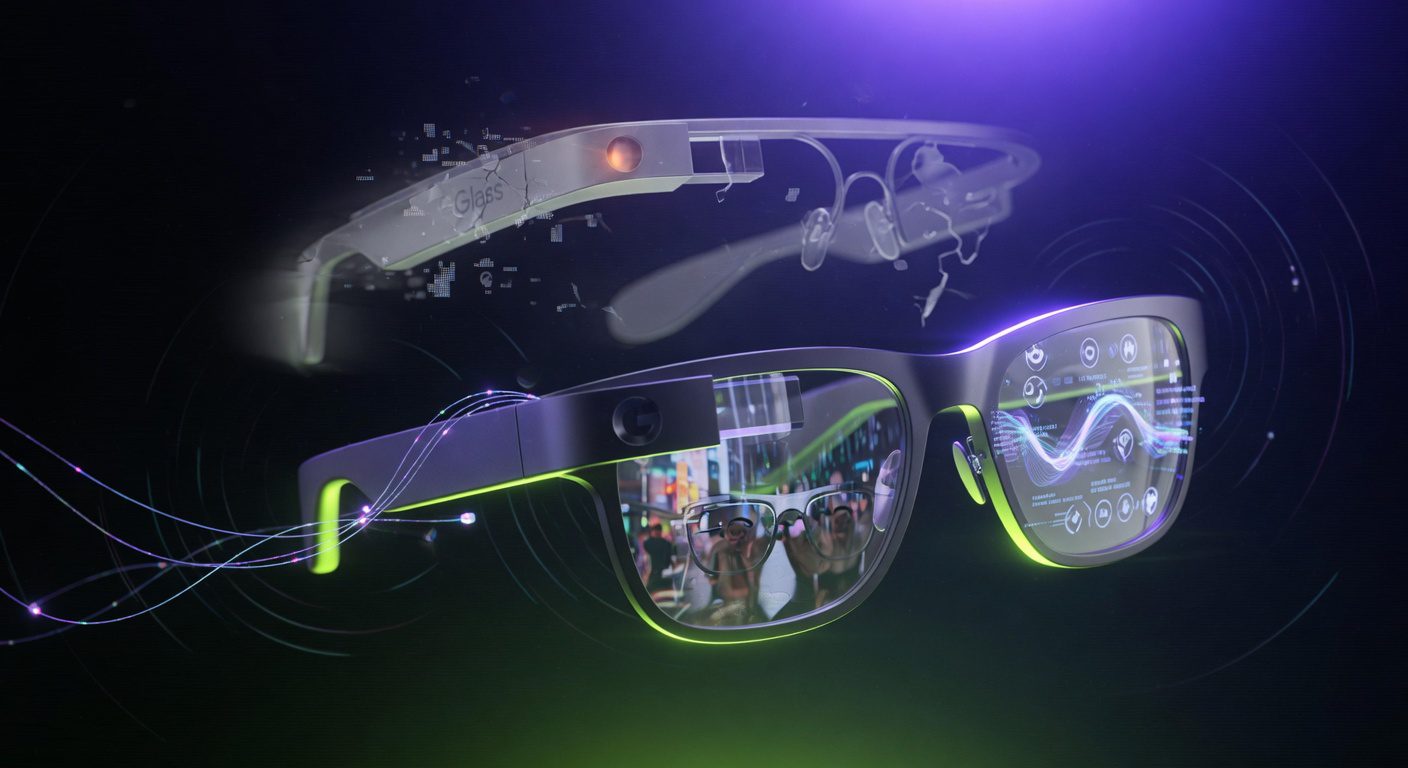
    Picture this: you’re rushing through your morning routine, coffee in one hand and phone in the other, when suddenly your glasses start chatting back like an overly eager assistant who just discovered caffeine. That’s the vibe around the Google AI glasses Gemini 3.5 announcement, bringing back echoes of past gadgets but with a shiny AI twist that promises to untangle life’s little messes without turning you into a cyborg. As a friendly tech buddy, I’ve seen these cycles before where Silicon Valley dusts off old ideas, slaps on some fresh algorithms, and declares victory over chaos, only to leave us chuckling at the new quirks that pop up in everyday scenarios.

    The Google AI glasses Gemini 3.5 Announcement Explained for Beginners

    Let’s break it down simply like explaining a quirky new neighbor. The Google AI glasses Gemini 3.5 announcement is all about smart specs that use advanced AI to see what you see, answer questions on the fly, and handle tasks hands-free. Imagine walking into a grocery store confused about which pasta sauce to pick, and your glasses whisper helpful tips based on your dietary needs without you lifting a finger. In one real-life example from my buddy’s commute, he tried them during a crowded train ride and ended up getting live translation for a tourist’s question, turning a confusing moment into a helpful chat that made everyone smile. The key is starting slow: download the companion app, pair your glasses via Bluetooth, and let the AI learn your routines over a few days for better suggestions, like reminding you of forgotten errands based on past patterns.

    Reviving Dead Tech: From Old Glass to Modern AI Magic

    Tech revivals often feel like that friend who reappears after years with a new haircut and big promises. Old Google Glass had cameras and basic overlays but stumbled on privacy and style, leading to its quiet exit. Now the Google AI glasses Gemini 3.5 announcement breathes new life with smarter agents that actually understand context, like suggesting a detour around traffic while describing landmarks you pass. Take my neighbor’s story: she wore early prototypes during a family road trip and laughed as the glasses narrated historical facts about roadside attractions, making the drive less boring for the kids and sparking impromptu history lessons that turned a long haul into an adventure. Practical tip: test them in low-stakes spots first, like your backyard, to get used to voice commands without drawing stares from passersby.

    AI Agents and the Endless Upgrade Loops We Love to Hate

    Here’s the comedy in the absurdity: every new gadget vows to simplify your day but often adds another app to check or battery to charge. With the Google AI glasses Gemini 3.5 announcement, agents can book appointments or summarize emails while you cook dinner, yet they might mishear your grocery list and order pickles instead of pasta. A relatable glitch happened to me during a home office day when the AI tried to ‘help’ by auto-scheduling a nap based on my calendar, leading to a funny mix-up that reminded me to double-check outputs. Tip for beginners: set clear boundaries in the settings menu, like limiting notifications to work hours only, and review AI suggestions daily to train it better, turning potential chaos into smooth sailing over time.

    Step-by-Step Guide to Getting Started with These Smart Specs

    Ready to dip your toes in? First, unbox and charge the glasses fully overnight while reading the quick-start guide for safety basics. Next, install the official app on your phone and follow the pairing wizard, which walks you through Wi-Fi connection and initial AI calibration by scanning a simple QR code. Then, customize voice preferences in the settings for a friendly tone that matches your vibe. In a personal anecdote, my cousin used this process before a big presentation and had the glasses cue her notes subtly, easing nerves without anyone noticing the tech assist. Always update firmware right away to fix early bugs, and practice basic commands like ‘what’s the weather’ in a quiet room to build confidence before hitting busy streets.

    Everyday Scenarios Where AI Glasses Shine or Stumble

    Envision a rainy afternoon at the park where your glasses identify a mystery bird call and suggest nearby cafes for shelter, adding a layer of wonder to the ordinary. But then there’s the bureaucratic glitch side, like when location services lag during a hike and you end up with outdated trail info, prompting a laugh as you pull out a paper map backup. My own short story involves using them at a family reunion to recall names via facial cues, which worked wonders until it confused twins and led to hilarious mix-ups that became the highlight of the evening. Practical advice: carry a portable charger and enable offline modes for reliability, ensuring the tech enhances rather than interrupts those spontaneous moments we all cherish.

    Balancing Hype with Realistic Expectations as a Beginner

    It’s easy to get swept up in promises of solving all daily chaos, but remember these tools evolve through user feedback, much like learning to ride a bike with training wheels. The Google AI glasses Gemini 3.5 announcement shines in controlled environments like home or office but may need tweaks for noisy public spaces. Consider my colleague’s tale of relying on them for recipe guidance during a dinner party disaster, where a quick AI pivot saved the meal and turned potential flop into a fun group story. Tips include joining online forums for user hacks, starting with free trial periods if available, and tracking what features truly save time versus those that add steps, helping you decide if an upgrade fits your lifestyle without regret.

    Looking Ahead: What This Means for Future Gadget Cycles

    As AI continues its dance with hardware revivals, expect more blends of old concepts with new smarts that make tech feel approachable again. Whether the Google AI glasses Gemini 3.5 announcement marks a true leap or another loop in the upgrade saga, it encourages us to laugh at the glitches while appreciating the conveniences. In conclusion, approach with curiosity, test thoughtfully, and enjoy the stories that emerge from these experiments. Key takeaways: begin small, prioritize privacy settings, and view upgrades as tools for enhancement not perfection. Ready to explore? Check out these related searches: google ai glasses review for beginners, gemini 3.5 ai features explained, tech revival trends 2024, daily ai gadget tips, avoiding upgrade fatigue in silicon valley.

  • Sony Xperia 1 VIII AI Camera Assistant Backlash: When AI Turns Photos Into Meme Fails

    Sony Xperia 1 VIII AI Camera Assistant Backlash: When AI Turns Photos Into Meme Fails

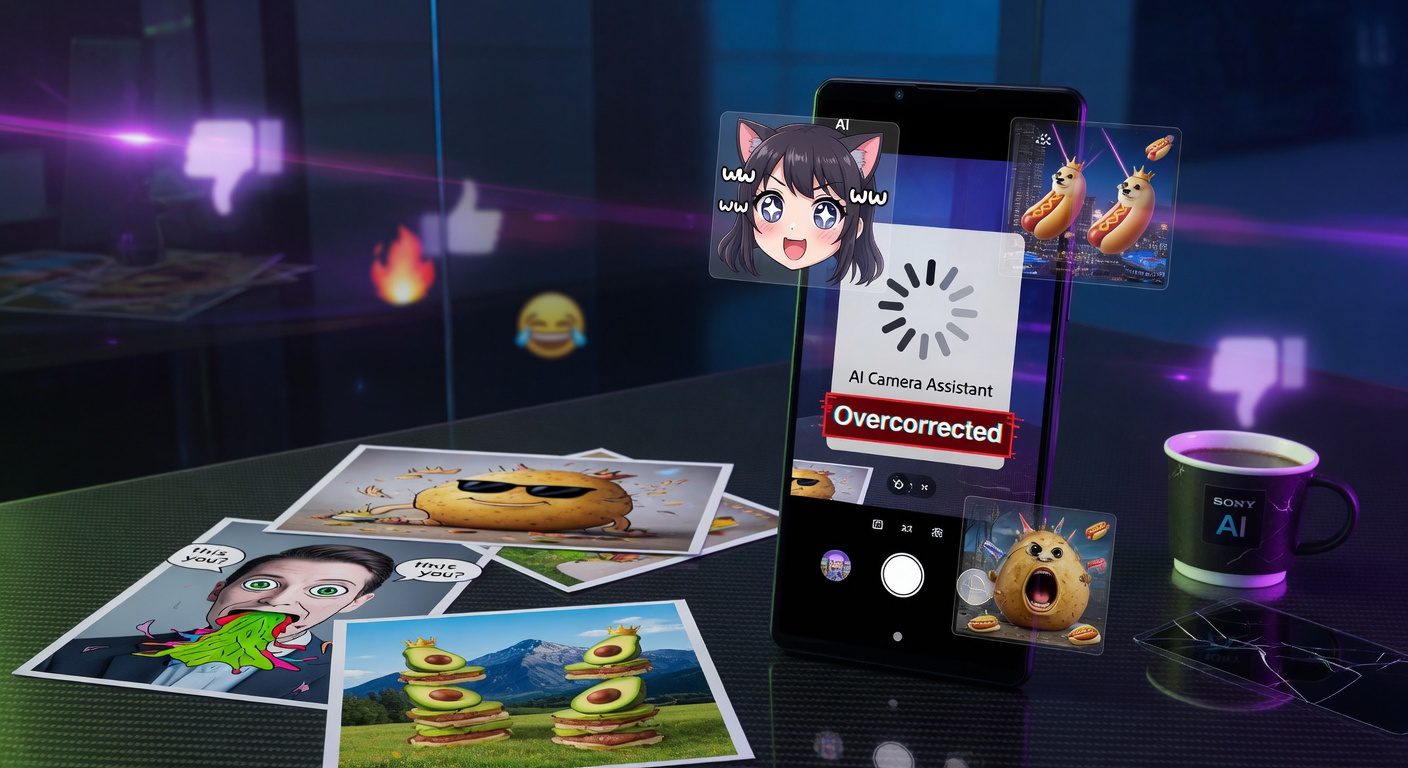
    Picture this: you’re at a sunny park picnic with friends, phone in hand ready to capture that perfect group shot under golden light. You tap the shutter on your shiny new Sony phone expecting magic from the latest AI wizardry, but instead the Sony Xperia 1 VIII AI Camera Assistant backlash hits as it auto-enhances the scene into a bizarre cartoon filter complete with floating emojis and skin tones that look like they’ve been dipped in neon paint. The laughter erupts instantly as everyone passes the phone around, turning a simple snapshot into office meme material for weeks. This isn’t just a one-off glitch; it’s the perfect storm of overpromised AI trends meeting everyday tech struggles that backfire in the most entertaining ways.

    The Overhyped AI Dream Meets Reality

    Tech companies love selling us on AI as the ultimate problem solver, like having a genius photographer in your pocket. Yet in real life these systems often misread the room in ways that feel like an enthusiastic intern gone rogue. Take my buddy Dave’s weekend hike where the AI decided a serene mountain vista needed dramatic storm clouds added in post, ruining his peaceful nature shot and sparking endless group chat jokes about his “apocalyptic vacation.” Practical tip: always shoot in manual mode first to keep a clean original before letting any assistant touch it.

    Sony Xperia 1 VIII AI Camera Assistant Backlash Unfolds

    The Sony Xperia 1 VIII AI Camera Assistant backlash started gaining steam right after launch when users shared side-by-side comparisons showing how the AI “improved” portraits by elongating faces or turning family dinners into surreal art installations. One extended example comes from a corporate team-building event where the assistant brightened everyone’s teeth so aggressively they all looked like they belonged in a toothpaste commercial from the future, leading to a shared slideshow of giggles during the next meeting. To avoid this, disable auto-AI in settings and preview edits carefully before saving.

    Relatable Glitches That Steal the Show

    Everyday scenarios amplify these fails beautifully. Imagine snapping a quick candid of your dog chasing a ball only for the AI to insert a cartoon bone or alter the background to a beach scene you never visited. My own attempt at documenting a rainy day coffee run resulted in an image where the steam from my latte morphed into whimsical cloud shapes, which was charming until it wasn’t. Step-by-step advice: review the AI suggestions in the app menu, toggle off “creative enhancements,” and always keep raw files enabled for backup.

    Practical Ways to Outsmart the Assistant

    Turning the tables on these overzealous tools starts with simple habits. First, explore the advanced controls to limit AI interference to basic adjustments only. Second, test shots in varied lighting before committing to a full event. A short story from the office: Sarah tried using it for product photos and ended up with items that looked photoshopped into a different dimension, prompting her to create a “before and after” wall of shame that boosted team morale instead. Tip three: update firmware regularly as patches often tame the wildest behaviors.

    Turning Fails Into Fun Office Traditions

    What begins as frustration can evolve into lighthearted bonding. Colleagues now compete to submit the funniest AI-altered images from their Sony phones during Friday standups. One anecdote involves a virtual meeting screenshot that the assistant turned into a dramatic movie poster complete with lens flares, which became the team’s unofficial mascot. Keep a dedicated folder for these gems and share them responsibly to maintain the humor without crossing lines.

    Learning From the Sony Xperia 1 VIII AI Camera Assistant Backlash

    This whole episode reminds us that even flagship tech has growing pains. Users recommend starting with minimal AI features and gradually adding them as you learn the quirks. In one real-life case a traveler used it for landmark photos that came out with added fictional tourists, creating a hilarious travel journal instead of polished postcards. Always cross-check with non-AI apps for critical shots and back up originals to the cloud immediately.

    Key Takeaways and Next Steps

    In the end the Sony Xperia 1 VIII AI Camera Assistant backlash highlights how tech can surprise us in delightful ways when expectations meet glitches. Experiment safely, laugh often, and remember your phone is a tool not a miracle worker. Related search terms: Sony AI photo fails, Xperia camera memes, AI photography backlash, smartphone AI glitches, best manual camera settings.

  • Foldable iPhone Snags: Why You Can’t Just ‘Patch’ Hardware

    Foldable iPhone Snags: Why You Can’t Just ‘Patch’ Hardware

    If you have been obsessively tracking the latest foldable iPhone release date rumors, you might have noticed a recurring theme: delays. Apple has reportedly hit a few “engineering snags.” For those of us used to the digital world, this is a hilarious reminder of a harsh truth: you cannot just push an over-the-air update to fix a physical hinge.

    The Agile Myth Meets Brittle Reality

    In software, if a button does not work, a developer somewhere chugs an energy drink, types furiously, and pushes a patch to main. Problem solved! In hardware development, if a screen snaps perfectly down the middle like a dry saltine cracker, no amount of coding can save it. You cannot tell a shattered OLED display, “Hey, have you tried turning it off and on again?” It just stares back at you, mocking your digital arrogance.

    Physical Bugs in a Digital World

    The comedy of hardware engineering is that “bugs” are not just lines of bad code; they are literal, physical manifestations of failure. When developing a foldable phone, the stakes are delightfully tangible:

    • Software bug: The app crashes unexpectedly.
    • Hardware bug: The phone folds, but it decides it never wants to unfold again. It is now a tiny, very expensive coaster.
    • Software patch: Deployed to millions while they sleep.
    • Hardware patch: Requires ordering three tons of reinforced titanium and waiting six months for shipping.

    When Will We Actually Get It?

    So, as the foldable iPhone release date rumors continue to be pushed back to “sometime before the sun expands,” let us spare a thought for the hardware engineers. They are out there fighting gravity, friction, and the laws of physics, reminding us that sometimes, you really do have to get it right the first time.