Category: Global Protocols

  • TikTok’s Global Data Collection: What Your Dance Moves Reveal

    TikTok’s Global Data Collection: What Your Dance Moves Reveal

    You just spent 45 minutes mastering a 15-second dance, your phone propped precariously on a stack of books. You hit post, and voilà, your performance is out there for the world to see. But as your video travels from Boston to Berlin, it’s also navigating a chaotic, invisible maze of international data laws. It turns out, your dance moves are subject to more legal scrutiny than a corporate merger.

    So, What’s in Your Digital Dossier?

    While you’re focusing on hitting the beat, TikTok is collecting data. It’s not as sinister as it sounds; it’s mostly to figure out why you and 2 billion other people love watching videos of cats falling off furniture. Here’s a peek at what they’re looking at:

    • Your Flawless Choreography: The app notes your viewing habits, likes, shares, and comments to curate that eerily accurate ‘For You’ page.
    • Your Location, Location, Location: It knows roughly where you are, so it can show you local trends (and probably so it knows which country’s laws to panic about).
    • Your Phone’s Autobiography: This includes your IP address, device type, and operating system. It’s the digital equivalent of knowing you’re using a left-handed screwdriver.

    Welcome to the International Legal Funhouse

    Here’s where it gets complicated. The world doesn’t have one single rulebook for data. It has a whole library of them, and they often contradict each other. This digital bureaucracy is the heart of all TikTok international data privacy concerns that keep lawyers awake at night. Imagine the app’s code is a bouncer at a global party, trying to enforce different house rules for every single guest.

    • Team Europe (GDPR): The strictest rule-makers. They demand explicit consent for everything. It’s the digital version of your mom making you ask permission before you take a cookie, and then asking you to sign a form confirming you asked.
    • Team California (CCPA/CPRA): The empowered consumer. They give users the right to see what data is collected, demand its deletion, and opt-out of it being sold. It’s like being able to walk into the kitchen and take your cookie back.
    • Everyone Else: Dozens of other countries have their own unique, special-snowflake versions of these laws, creating a compliance game of Whac-A-Mole for global tech companies.

    How Does TikTok’s Code Not Just Explode?

    Navigating this legal labyrinth requires some clever IT footwork. Platforms like TikTok use a few key strategies. First, they use ‘geofencing’ to serve up different privacy pop-ups depending on your location. That’s why your European friends see more cookie banners than you do. Second, many companies adopt the strictest policy (usually GDPR) as a global baseline. It’s like making the entire potluck casserole gluten-free just because one person has a sensitivity. It’s just easier than making 100 different versions.

    What This Means for Your Dance Moves

    So, the next time you’re trying to nail that viral trend, remember that your data is on its own world tour. It’s crossing digital borders, abiding by local regulations, and trying its best not to cause an international incident. Your dance moves are now a tiny, but significant, piece of a massive, global puzzle of tech, law, and culture. And you thought just getting the timing right was hard.

  • When Countries Ghost Each Other: The Italy-Switzerland Diplomatic Read Receipt

    When Countries Ghost Each Other: The Italy-Switzerland Diplomatic Read Receipt

    You know that feeling. You send a carefully crafted, very important text message, and then… nothing. You see the two little checkmarks. You know they saw it. But hours, then days, go by in radio silence. Now, imagine that same feeling, but instead of you and your friend, it’s Italy and Switzerland, and the stakes are slightly higher than who’s bringing snacks to movie night. Welcome to the world of geopolitical ghosting, where Italy recently recalled its ambassador to Switzerland for “consultations.”

    So, What’s a Diplomatic ‘Read Receipt’?

    An ambassador is essentially a country’s human API. They are the living, breathing connection point responsible for ensuring smooth data transfer (i.e., communication) between two national systems. Recalling one is the international relations equivalent of yanking the ethernet cable out of the wall because tech support isn’t answering. It’s a dramatic, public way of saying, “We are not being heard, and we’re taking our designated fancy-dinner-attendee home until you start replying to our trouble tickets.”

    The Root Cause: Not Fondue Feuds, But Financial Forms

    So what caused this international silent treatment? Was it a dispute over the true origin of tiramisu? A hostile takeover of a luxury watch brand? Nope. The drama stemmed from something far more relatable to anyone who has ever wrestled with bureaucracy: tax agreements for cross-border commuters and the sharing of financial data. It’s a reminder that many global conflicts aren’t born from spy thrillers, but from the soul-crushing complexities of incompatible spreadsheets. The Swiss, apparently, were taking their sweet, neutral time responding to Italy’s requests, leading to the diplomatic equivalent of a rage-quit.

    The Art of the International ‘We Need to Talk’

    This whole episode is a beautiful case study in how human (and inhumanly bureaucratic) international politics can be. Forget shadowy figures and clandestine meetings; this is about the frustration of feeling ignored by the department next door. Here’s the breakdown:

    • The Initial Request: Italy sends a formal request, the diplomatic version of an email with a high-priority flag.
    • The Follow-Up: Weeks pass. Italy sends another, more firmly worded request. Maybe they even CC’d a few other European nations.
    • The Escalation: Still nothing. Italy decides to make a scene. Recalling the ambassador is like changing your chat status to “DO NOT DISTURB – SERIOUSLY” and logging off.
    • The Resolution (Eventually): The public move forces Switzerland to finally look up from its paperwork and say, “Oh, you needed something?”

    At the end of the day, it’s a comforting thought. Even powerful nations, with all their protocols and pomp, sometimes resort to the same passive-aggressive tactics we use when a roommate won’t do the dishes. It proves that on a fundamental level, we’re all just trying to get someone, somewhere, to please, for the love of all that is holy, just answer the email.

  • Diplomacy.exe Has Stopped Responding: Decoding the Russia-Ukraine Peace Talks

    Diplomacy.exe Has Stopped Responding: Decoding the Russia-Ukraine Peace Talks

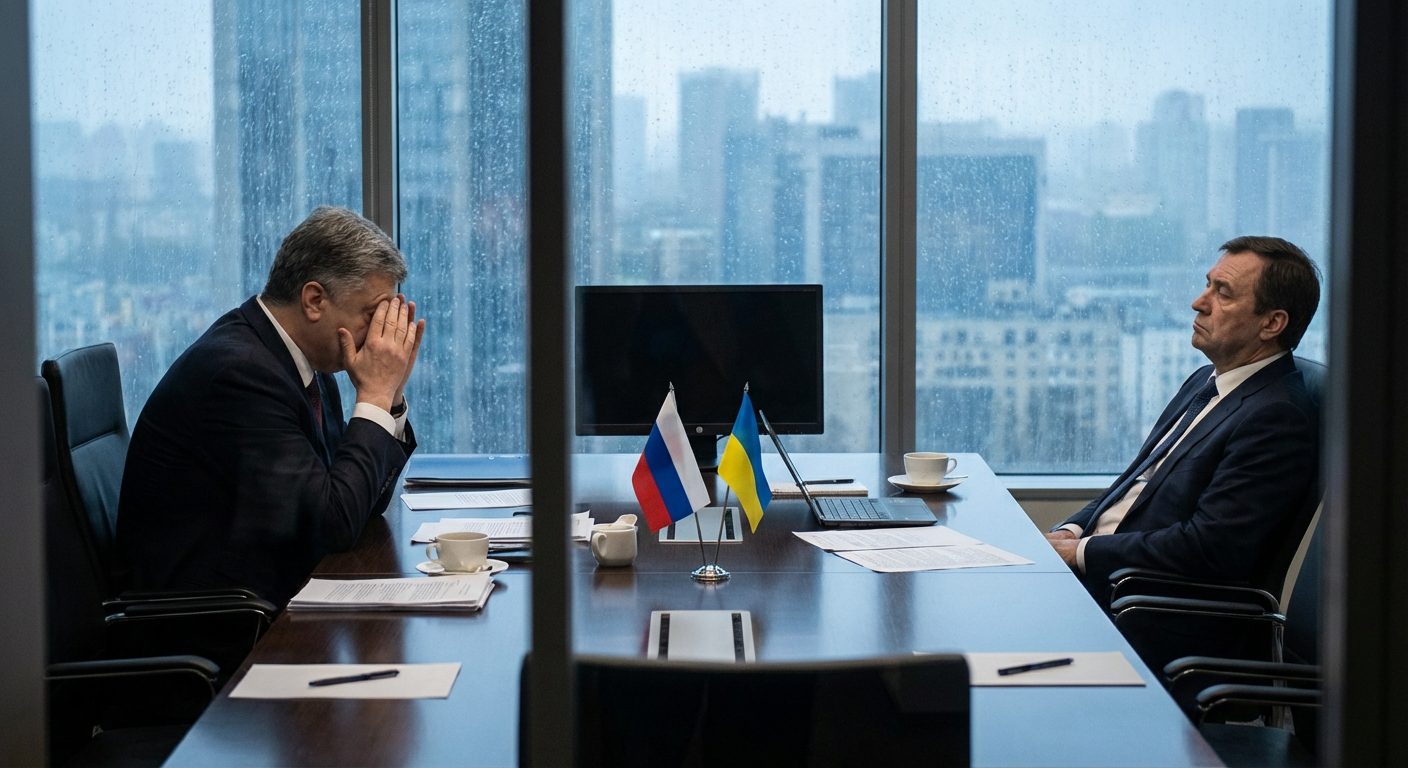
    There are two clocks running in the world right now. One is the real-time, terrifyingly fast clock of the actual conflict. The other is the diplomatic clock, which appears to be powered by a hamster on a rusty wheel who takes frequent, union-mandated breaks. Welcome to the world of international peace negotiations, a place where language is engineered with the precision of a Swiss watch and the forward momentum of a glacier. If you’ve ever tried to get a straight answer from IT support about why the printer won’t connect to the network, you’re already halfway to understanding the art of diplomatic communication.

    The Official Glossary of Saying Very Little

    To the uninitiated, the communiqués from Russia-Ukraine peace negotiations can sound promising. But for seasoned watchers of bureaucracy, it’s a familiar code. Let’s translate a few key phrases:

    • What they say: “The talks were constructive.”
      What it means: “Nobody stormed out of the room in the first fifteen minutes, and we successfully agreed on the catering for the next round of talks.”
    • What they say: “We had a frank exchange of views.”
      What it means: “Someone definitely pounded their fist on the table. Voices were raised. The translator is considering a career change.”
    • What they say: “Working groups have been established to address key issues.”
      What it means: “We’ve kicked the can down the road to a series of sub-meetings that will produce reports no one has time to read. It’s the bureaucratic equivalent of forming a committee to choose the color of a bike shed.”
    • What they say: “We remain cautiously optimistic.”
      What it means: “Absolutely nothing is agreed upon, but we have to say something positive for the cameras or our bosses will be displeased. Please send coffee.”

    The Unofficial Project Plan

    Watching the diplomatic process unfold is like watching a software development lifecycle where every developer is using a different programming language and the project manager has lost the login credentials. The phases are predictable: first, the agonizingly difficult scheduling phase (‘The Pre-Meeting Meeting’). Then comes the main event, a marathon of circular conversations (‘The Constructive Dialogue Loop’). This is followed by the inevitable ‘Leaked Draft Document’ that satisfies no one, and finally, the ‘We’ll Reconvene Shortly’ press conference, which could mean next Tuesday or next year.

    It’s an infuriatingly slow and abstract process, especially when contrasted with the harsh reality on the ground. But like rebooting a router for the tenth time, it’s the prescribed process. It’s a system designed to prevent catastrophic failure by moving so slowly that it forces deliberation. It’s frustrating, absurd, and often feels like a bug in the global operating system. And yet, it’s the only one we’ve got. For now, we just have to keep refreshing the page and hoping the connection doesn’t time out.

  • Pentagon’s ‘Limited Support’: When Your Ally Acts Like Your Flakiest Friend

    Pentagon’s ‘Limited Support’: When Your Ally Acts Like Your Flakiest Friend

    We’ve all got that one friend. The one who replies “I got you!” to your 3 AM “my car broke down” text, then follows up two hours later with “You good now?” This friend is a master of moral support but operates on a dial-up connection when it comes to actual, physical assistance. Well, it seems the Pentagon has adopted this friend’s communication style with its new foreign policy approach of “limited support.” It’s not a breakup, it’s just… a significant downgrade in the service-level agreement.

    The Friendship Terms of Service Have Updated

    Essentially, “limited support” is the geopolitical equivalent of your friend saying they’ll help you move, but only for the “light stuff” and they “can’t do stairs.” For decades, many allies were on the premium plan: full military support, boots on the ground, the works. Now, it seems many have been moved to a freemium tier. You still get access to the platform, but the best features are behind a “do-it-yourself” wall. It’s less about sending in the cavalry and more about sending a well-produced instructional YouTube video on cavalry maintenance.

    What ‘Limited Support’ Looks Like in Practice

    To understand this policy shift, let’s compare the old system with the new, friend-based operating system.

    • The Old Promise: “We’re in a jam!”
      The Old Response: “The 82nd Airborne is on its way with a carrier strike group and three Jamba Juices.”
    • The New Promise: “We’re in a jam!”
      The New Response: “Thoughts and prayers. Have you tried turning your regional conflict off and on again? We’ve shared a helpful whitepaper on de-escalation to your inbox.”
    • The Old Arms Deal: “We need state-of-the-art fighter jets.”
      The Old Response: “Done. They come with free satellite hookups and a complimentary subscription to our defense cloud.”
    • The New Arms Deal: “We need state-of-the-art fighter jets.”
      The New Response: “Excellent choice! We can offer you a discount on last year’s drones and an expired coupon for a tank. Some assembly required.”

    Before we panic, this isn’t necessarily a global ghosting. Think of it as the Pentagon trying to manage its own bandwidth. After decades of being everyone’s go-to for every problem, it’s finally setting some boundaries. It’s telling its allies, “I love you, but I can’t be your 24/7 IT help desk, your security guard, and your ride to the airport anymore.” The message is clear: it’s time for allies to build their own IKEA furniture. The Pentagon will still be there to “supervise,” probably from a comfortable chair while sipping a beverage, but you’re going to have to find the Allen key yourself.

  • 149 Million Passwords Exposed: A Global Privacy Wake-Up Call

    149 Million Passwords Exposed: A Global Privacy Wake-Up Call

    Well, it’s happened again. A number with so many zeroes it looks like a typo—149 million—is splashed across the headlines. Another Tuesday, another colossal credential stuffing list making the rounds. While the less-initiated clutch their pearls, we in the security trenches just sigh, top up our coffee, and wonder if any of them are ours. But this isn’t just another technical oopsie. This latest global data breach cybersecurity event is a hilarious and terrifying reminder that our concept of borders is, to put it mildly, adorable. We build walls and staff customs checkpoints, yet our data is zipping around the globe like a tourist with a Eurail pass and no sense of direction.

    Geopolitical Picket Fences

    Remember in cartoons when a character would draw a line in the sand? That’s basically our international data policy. In the physical world, crossing a border involves passports, stern-looking guards, and a non-zero chance your luggage gets “randomly” inspected. In the digital world, data crosses a border every time you load a webpage with a CDN hosted in Frankfurt, use a SaaS tool based in Ireland, or have a customer from Japan. We’ve built a globalized digital economy on the premise of frictionless movement, then seem perpetually shocked when the friction-free movement includes, you know, everything we wanted to keep secret.

    The modern geopolitical landscape is a fascinating mess. Nations posture and draw firm lines while their critical data is being processed on a server rack sitting next to a competitor’s, all managed by a third party in a country that sees data privacy as a vague suggestion. It’s like holding a top-secret meeting in the middle of a bustling international airport food court. Sure, you’ve got your own table, but the conversations are for everyone.

    Attribution: The World’s Worst Improv Show

    When a physical incursion happens, it’s (usually) pretty clear who’s responsible. Tanks tend to have flags on them. But in the global data breach cybersecurity sphere? Attribution is a dark art masquerading as a science. Was it Fancy Bear, Cozy Bear, or just some guy named Barry who bought a malware kit with his crypto winnings? The trail of evidence is a labyrinth of rerouted proxies, false flags, and technical artifacts that could point to three different continents simultaneously.

    • Step 1: The breach is discovered, typically months after it happened.
    • Step 2: A frantic game of “Not It!” begins among internal teams.
    • Step 3: Expensive consultants are hired to produce a 200-page report that concludes, “It was a sophisticated, persistent threat.” Thanks, guys.
    • Step 4: Vague fingers are pointed at a nation-state, which promptly denies it and accuses the accuser of a false flag operation.

    By the time there’s any consensus, the stolen data has been sold, resold, bundled with other breach data, and used to compromise a thousand other systems. The horse hasn’t just left the barn; it has galloped across three continents and started a new family.

    Embracing the Chaos

    If digital borders are a fiction, what’s a CISO to do? First, stop trying to build a digital Berlin Wall. It’s expensive, ineffective, and your developers will just use a VPN to get around it anyway. The focus has to shift from prevention to resilience. Assume the perimeter is not a wall, but a series of loosely connected, frequently-on-fire welcome mats.

    This is where Zero Trust stops being a buzzword you put on a slide deck to get more budget and starts being a genuine survival strategy. Trust nothing. Verify everything. Segment your networks like you’re creating a city-state for every single application. And for the love of all that is holy, have an incident response plan that doesn’t begin with “Step 1: Find out who had the password to the firewall.” The 149 million passwords aren’t a wake-up call anymore. The alarm has been blaring for years. This is just the snooze button getting smashed with a hammer. In a borderless digital world, the only territory you can truly defend is your own data, one encrypted packet at a time.

  • The Great Greenland Purchase: When Geopolitics Got Treated Like a Monopoly Board

    The Great Greenland Purchase: When Geopolitics Got Treated Like a Monopoly Board

    There are moments in international diplomacy that feel less like carefully orchestrated statecraft and more like someone accidentally hitting ‘reply all’ on a very sensitive email. The 2019 proposal to purchase Greenland was one of those moments. The world’s geopolitical operating system, which usually hums along with the quiet dignity of treaties and summits, suddenly received a command it couldn’t parse: BUY Greenland.exe. For a moment, everyone just stared at the screen, wondering if it was a system glitch or a feature they hadn’t read about in the manual.

    The Ultimate Fixer-Upper

    From a purely transactional, real-estate-developer point of view, you could almost squint and see the logic. Big island. Lots of resources. Strategic location. Great potential for a luxury golf course, probably. It was an analysis that treated a nation like an underperforming asset on a spreadsheet—a prime piece of real estate just waiting for the right mogul to flip it. The pitch was simple: we have cash, you have a large, sparsely populated landmass. It was the geopolitical equivalent of a ‘we buy ugly houses’ sign planted on the Arctic Circle.

    A Protocol Mismatch of Epic Proportions

    The problem, of course, is that international relations doesn’t run on the same software as Manhattan real estate. It operates on a complex protocol stack built on centuries of sovereignty, self-determination, and cultural identity. The offer wasn’t just a faux pas; it was a fundamental category error. It was like trying to pay for your groceries using stock options in a company that doesn’t exist yet. The cashier doesn’t just say no; they look at you with profound confusion. The Danish Prime Minister’s response, calling the idea ‘absurd,’ wasn’t just a rejection; it was the system politely returning a ‘400 Bad Request’ error. The input was simply not valid in this context.

    So, What’s the Property Tax on a Country?

    The whole Greenland saga was a hilarious reminder that countries are not just giant plots of land on a global Monopoly board. They are living, breathing systems with their own people, history, and unalienable right to not be sold like a used car. You can’t just make an offer, haggle over the price, and then wonder where to put the new flagpole. The affair served as a perfect, if brief, lesson in the difference between a deal and diplomacy. One is about assets; the other is about allies. And as we learned, you can’t just put a hotel on a country and collect rent.

  • World Leaders Play Deal or No Deal at Davos, and We’re All Contestants

    World Leaders Play Deal or No Deal at Davos, and We’re All Contestants

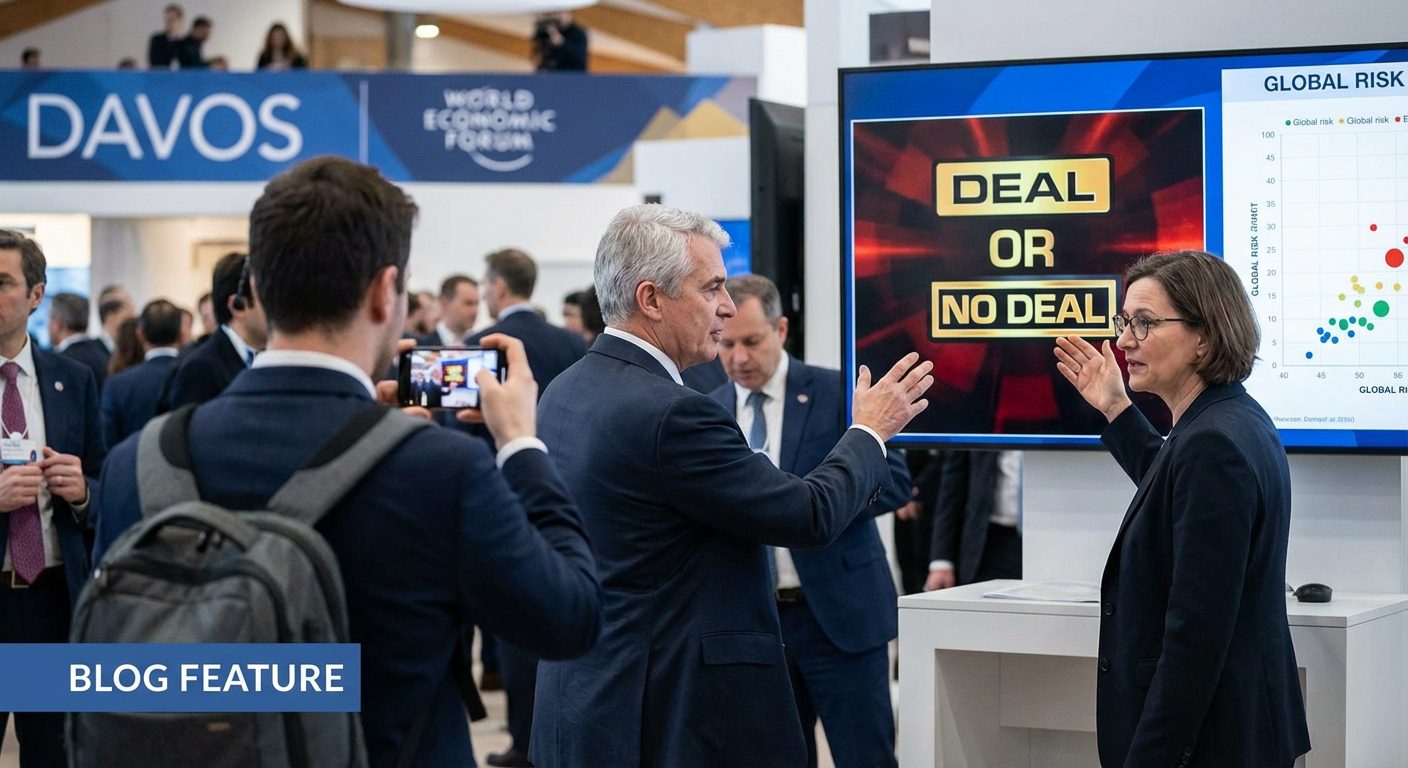
    Picture the scene: the stage is lit, the tension is palpable, and a row of identical briefcases holds fates unknown. No, this isn’t a daytime game show rerun; it’s the World Economic Forum in Davos. The contestants are world leaders, the host is the relentless march of globalization, and the grand prize is, well, not triggering an immediate global recession. For a few days every year, the snowy peaks of Switzerland become the set for the world’s most consequential game of ‘Deal or No Deal’.

    Our Star Contestant and His Briefcase

    Every good game show needs a charismatic star. Enter former President Trump, whose signature ‘art of the deal’ approach to international relations turned every negotiation into a potential season finale. While other leaders clutched their policy briefs like nervous contestants hoping to avoid the 1-cent case, Trump’s strategy was to keep everyone guessing. Would he take the banker’s offer of a multilateral agreement, or would he go for broke on a bilateral trade deal that could be worth trillions… or nothing?

    What’s Actually in Those Briefcases?

    The stakes at Davos are slightly higher than a new car or a vacation package. The briefcases contain the very architecture of our globalized world. When a leader ‘opens a case’, they’re not just revealing a number; they’re revealing a policy decision with massive ripple effects. The board might look something like this:

    • Briefcase #5: A new series of trade tariffs. Value: -$200 Billion and a global supply chain migraine.
    • Briefcase #12: A surprise climate accord. Value: A slightly less melty planet, but the Banker’s offer is a ‘modest’ carbon tax you have to pass.
    • Briefcase #22: A bilateral handshake deal. Value: Potentially huge for two countries, but makes everyone else in the room awkwardly check their phones.
    • Briefcase #1: The dreaded global recession. Value: Basically negative infinity. Avoid at all costs.

    The Banker Is On Line One

    In this version of the game, ‘The Banker’ is a coalition of sober-suited economists from the IMF and WTO. Their offers are always the same: a 700-page document full of carefully worded compromises that makes everyone equally, mildly unhappy. It’s the sensible beige sedan of global policy. The core drama of Davos-style international relations is whether leaders, particularly figures like Trump, will take the safe, boring, multilateral deal from The Banker or risk it all for a spectacular win. It’s a clash between predictable stability and high-stakes showmanship.

    So as we watch the highlights, it’s easy to get caught up in the spectacle. But unlike a TV show, we can’t just change the channel if we don’t like the outcome. We’re all in the studio audience, hoping the final briefcase contains something better than a lifetime supply of economic uncertainty.

  • Nuclear Revival: Japan’s Fukushima-Sized Energy Gamble

    Nuclear Revival: Japan’s Fukushima-Sized Energy Gamble

    Imagine your computer suffers a catastrophic, sparks-flying, smoke-billowing crash. After a decade of using a tablet, you decide it’s time to reboot the old beast because, frankly, your power bills are astronomical. That’s basically Japan right now, standing in front of the world’s largest nuclear power plant, Kashiwazaki-Kariwa, muttering, “Well, here goes nothing.”

    The ‘Have You Tried Turning It Off and On Again?’ Energy Strategy

    After the 2011 Fukushima disaster, Japan did the sensible thing: it rage-quit nuclear power. The country turned off all its reactors, a move akin to a global IT department yanking every server cord at once. But living without that massive, humming power source has been tricky. Japan has been importing fossil fuels like a shopper on a Black Friday spree, and the national energy bill has more zeroes than a programmer’s nightmare. So, the decision for a Japan nuclear plant restart feels less like a bold new vision and more like finding an old, slightly terrifying power brick in the basement that might just solve everything.

    The Fukushima-Sized Elephant in the Room

    Of course, you can’t talk about a Japan nuclear plant restart without mentioning the F-word: Fukushima. The memory is still incredibly fresh. Trying to convince the public to embrace nuclear power again is like trying to sell a new and improved version of a phone that was famous for, you know, exploding. The sales pitch is a tough one: “Yes, the last one caused a bit of a meltdown, but look! This new model has extra-thick concrete walls and a brand-new, Tsunami-proof phone case!” Complicating things is Kashiwazaki-Kariwa’s own spotty track record, which includes surviving a major earthquake in 2007 and, more recently, failing its security inspection like a student who forgot there was a test. It’s not just any old power plant; it’s one with a pre-existing condition.

    The Ultimate System Update

    So what makes this time different? Paperwork. So. Much. Paperwork. Japan’s Nuclear Regulation Authority has been running the most intense diagnostics in history. The safety upgrades and new protocols are a bureaucratic masterpiece of checklists, simulations, and endless meetings. Getting local approval to flip the switch is like submitting a software update to the world’s most skeptical review board. Every line of code is scrutinized, every permission is questioned, and everyone is worried about bugs—the really, *really* bad kind. This isn’t just about engineering; it’s a massive exercise in trust-building, trying to prove that the system’s new firewall is finally robust enough.

    Ultimately, Japan is attempting the world’s biggest Ctrl+Alt+Del. It’s a calculated gamble between energy security and the ever-present fear of another system failure. As the first reactors at this behemoth plant prepare to spin up, an entire nation—and the world—is watching, hoping this reboot doesn’t end with another blue screen of death.

  • Board of Peace: Is This Global Governance or a Hollywood Reboot?

    Board of Peace: Is This Global Governance or a Hollywood Reboot?

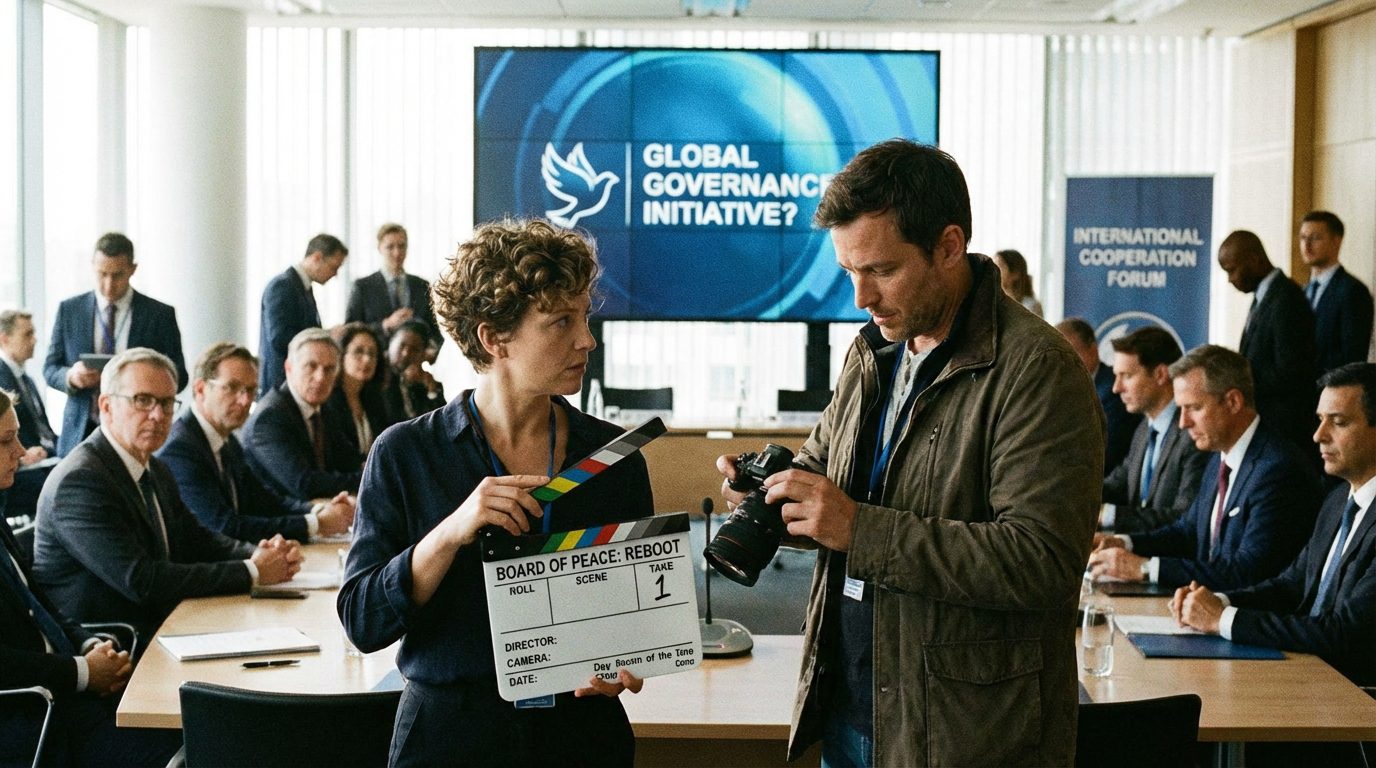
    In the grand theater of international relations, every so often a new character enters stage left, promising to solve the plot. This season’s debut is the “Board of Peace,” an oversight body for Gaza reconstruction that feels less like a UN subcommittee and more like a Silicon Valley startup that just secured its Series A funding. It has a sleek name, a mission statement full of synergistic keywords, and the unenviable task of debugging one of the world’s most complex legacy systems. Forget slow-moving diplomacy; this is governance as a fast-follow, disruptive product launch.

    The Spec Sheet: What’s Under the Hood?

    On paper, the Board of Peace is an elegant solution to a chronic problem. Its core mandate is to provide independent, real-time oversight of reconstruction funds and material entry into Gaza, effectively acting as a trusted third-party API between donors, regional powers, and the on-the-ground reality. The feature list is impressive:

    • Real-Time Transparency Module: A public-facing dashboard to track every bag of cement, replacing the old system of “sending an email and hoping for the best.”
    • Multi-Factor Authentication for Materials: A vetting process designed to ensure that resources are used for their intended civilian purposes, preventing system exploits.
    • Cross-Platform Compatibility: Engineered to interface with the often-incompatible operating systems of various NGOs, governments, and international bodies.

    It’s a technocrat’s dream, a workflow designed to minimize friction and maximize accountability. But as any IT professional knows, the gap between the flowchart and the factory floor can be immense.

    System Integration or Full-Stack Replacement?

    The key question for us observers is whether the Board of Peace is merely a patch for the existing global governance framework or a beta test for a whole new one. Traditional institutions, with their labyrinthine approval processes and dial-up-speed decision-making, often feel like they’re running on Windows 95. This new body seems designed to be cloud-native, agile, and scalable.

    This represents a fascinating pivot. Instead of trying to reform the monolithic legacy code of older institutions, the international community seems to be spinning up specialized microservices to handle specific critical tasks. It’s a pragmatic, if slightly chaotic, approach. Why spend a decade debating reforms to the mainframe when you can just build a nimble app to handle the payment processing?

    Known Bugs and Feature Requests

    Of course, no V1.0 launch is without its potential issues. The primary bug report will likely be geopolitical latency—the time it takes for all parties to agree on a single data point. There are also potential compatibility conflicts with deeply entrenched political interests that don’t play well with new APIs. The system’s ultimate success will depend on whether its architecture is robust enough to handle the inevitable denial-of-service attacks from political spoilers. For now, we watch with professional curiosity. The Board of Peace for Gaza reconstruction isn’t just a humanitarian initiative; it’s a live stress test of a new model for getting things done. Let’s hope the system doesn’t crash.

  • Greenland: The Quiet Island Causing a Global Geopolitical Meltdown

    Greenland: The Quiet Island Causing a Global Geopolitical Meltdown

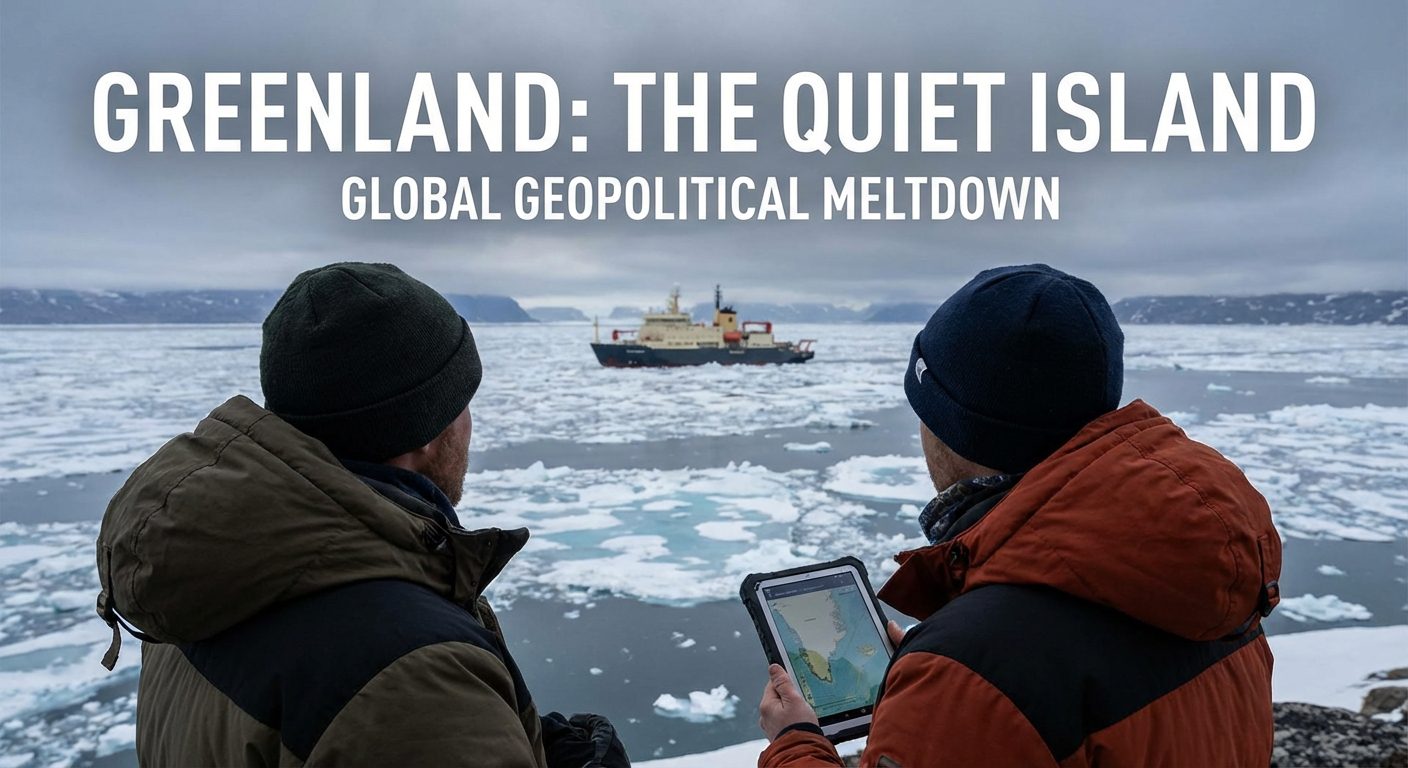
    Let’s be honest, until recently, Greenland was that quiet coworker you barely noticed. It sat in the corner of the world map, massive but silent, mostly known for ice and a misleading name. Suddenly, however, every global superpower is sliding into its DMs. The United States tried to buy it, China declared itself a “near-Arctic state” (a geographic stretch akin to me calling myself a “near-astronaut”), and Russia is dusting off old military bases like it’s preparing for a high school reunion. This sudden popularity contest has turned the island into the epicenter of a slow-motion Greenland geopolitical crisis, and it’s more revealing than a corporate email sent to the wrong person.

    So, Why is Everyone Swiping Right on Greenland?

    It boils down to a classic case of a global software patch with unintended consequences. The bug? Climate change. The accidental feature? Opportunity. The ice is melting, which, while catastrophic for the planet, has suddenly turned the Arctic into a hot commodity. Here’s the breakdown:

    • The World’s Newest Shortcut: As the ice recedes, new shipping lanes like the Northwest Passage are opening up. This is the geopolitical equivalent of finding a traffic-free route through a city that’s always gridlocked. Control the route, and you control a massive slice of global trade.
    • A Treasure Chest Under the Ice: Greenland is sitting on a colossal stash of rare earth minerals. These aren’t just shiny rocks; they’re the secret sauce in everything from your smartphone to electric vehicles and advanced weaponry. With China currently holding most of the world’s supply, every other nation is desperately searching for a new dealer. Greenland just became the kid in the playground with the rarest, most valuable trading cards.
    • Location, Location, Location: Look at a globe. Greenland is the ultimate strategic high ground, a massive, unsinkable aircraft carrier parked between North America and Russia. For military planners, it’s the perfect spot to set up surveillance systems, monitor submarine traffic, and generally keep an eye on the neighbors.

    A Very Cold (and Awkward) War

    What makes the Greenland geopolitical crisis so fascinating is that it’s not being fought with tanks, but with investment portfolios and infrastructure proposals. It’s a bureaucratic battle royale. China arrives offering to build airports. The U.S. counters by opening a consulate and offering development aid. Denmark, Greenland’s official sysadmin, is trying to manage user permissions while Greenland itself weighs the promise of economic independence against the peril of becoming a pawn in a global chess game. It’s a messy, complicated, and frankly, absurd situation where the future of global power might just be decided by who offers to build the nicest port in a place with more polar bears than people.