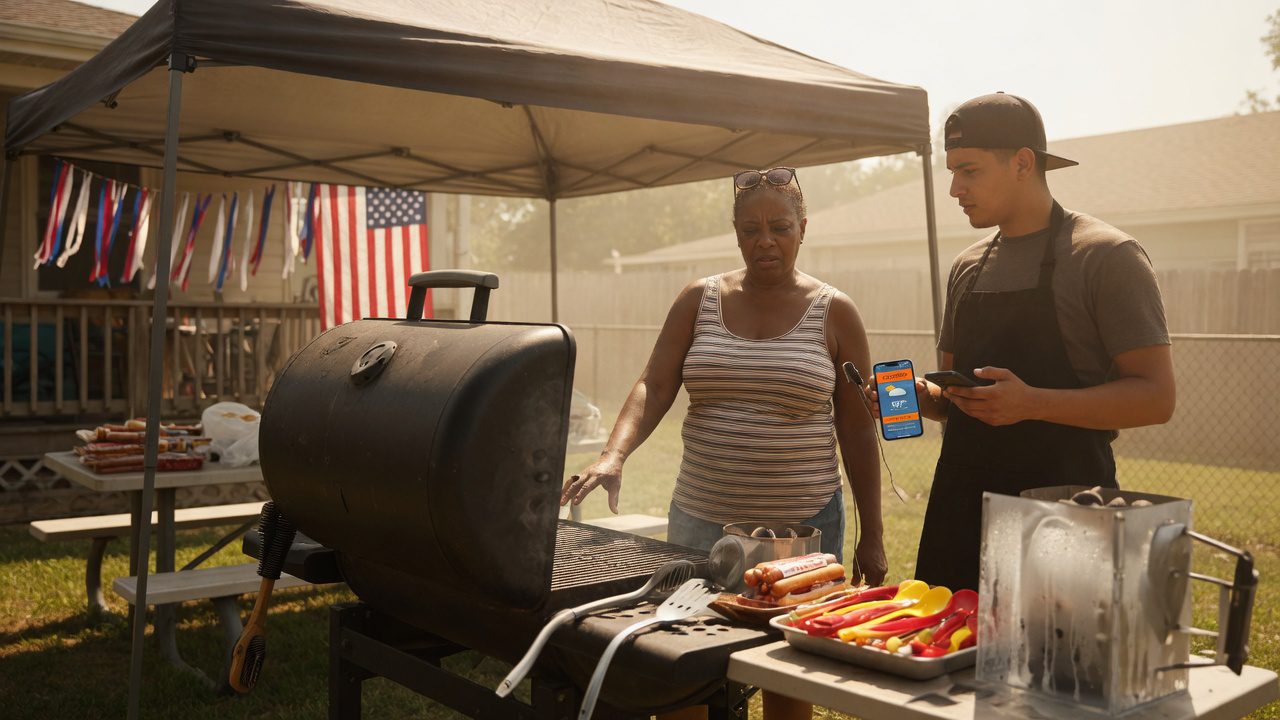
Heat Dome Crashes July 4 BBQs: Is Your Grill Doomed to Melt?
A massive heat dome is set to scorch much of the United States just as Americans gear up for Independence Day celebrations. With temperatures potentially soaring past 100°F in key regions, backyard barbecues face unprecedented challenges. From melting plastic utensils to safety hazards on the grill, this weather event could turn festive cookouts into disasters. As a tech-savvy look at the crisis, we explore how advanced forecasting tools, smart grilling devices, and innovative accessories might save the day—or at least prevent total meltdown.
What Exactly Is a Heat Dome?
Meteorologists describe a heat dome as a high-pressure system that traps hot air like a lid on a pot. This phenomenon, fueled by climate patterns and jet stream shifts, has intensified in recent years. According to the National Weather Service, the current dome stretches from the Midwest to the East Coast, promising record highs through July 5. July 4th fireworks and family gatherings coincide with peak danger, raising questions about outdoor cooking viability.
Tech plays a crucial role here. AI-powered models from companies like IBM’s Weather Company and AccuWeather use machine learning to predict heat dome movements with greater accuracy than traditional methods. These systems analyze satellite data, ocean temperatures, and historical patterns to issue precise alerts days in advance. If your weather app pings with “extreme heat warning,” it’s likely drawing from these sophisticated algorithms.
BBQ Risks Under Extreme Heat
Direct sun and ambient temps above 95°F create multiple hazards for your July 4 spread. Plastic cutting boards and utensils can warp or melt on tables. Propane tanks risk overheating, while charcoal grills become dangerously hot to handle. Food safety is another issue: bacteria multiply rapidly in the “danger zone” between 40°F and 140°F, and coolers struggle to maintain chill.
Reports from past heat waves show increased grill-related incidents, including flare-ups and burns. This year, with the dome’s intensity, experts warn that standard setups may fail. Is your BBQ doomed? Not necessarily, but adaptation is essential.
Tech Tools to Rescue Your Cookout
Smart technology offers practical solutions. Consider Wi-Fi-enabled grills from brands like Weber or Traeger, which feature app-controlled temperature monitoring and automatic shutoffs. These devices use sensors to maintain consistent heat despite external spikes, preventing overcooking or dangerous hotspots.
Weather apps integrated with IoT sensors provide real-time microclimate data for your backyard. For instance, the Ambient Weather station syncs with smartphones to track humidity, UV index, and heat index, helping you time grilling sessions during cooler evening hours.
Portable air-conditioned tents or misting systems, controlled via Bluetooth, can create shaded zones for prep areas. Smart thermometers like those from ThermoWorks send alerts to your phone when meats reach safe internal temps, reducing time spent near the scorching grill.
Even cooler tech comes into play with solar-powered fans and insulated smart coolers that monitor contents via apps, alerting you to temperature breaches. These innovations turn a potential BBQ failure into a tech-enhanced success.
Practical Safety Tips for the Heat Dome
- Prep Smart: Marinate meats indoors and use metal or ceramic tools resistant to melting.
- Timing is Key: Grill after sunset when temps drop; leverage apps for optimal windows.
- Hydration Stations: Set up app-monitored water dispensers to keep everyone cool.
- Backup Plans: Have indoor alternatives like air fryer recipes ready if outdoor conditions worsen.
- Monitor Alerts: Subscribe to push notifications from NOAA or local services powered by advanced models.
List your gear in advance using inventory apps to ensure nothing melts or fails.
Broader Implications and Future Outlook
This heat dome highlights growing climate challenges affecting seasonal traditions. Tech advancements in predictive analytics could mitigate future risks, from drone-assisted fire spotting at gatherings to climate-resilient grill designs. As July 4 approaches, staying informed through reliable tech sources remains vital.
In conclusion, while the heat dome poses real threats to your BBQ, proactive use of technology can keep celebrations safe and enjoyable. Monitor forecasts, equip yourself with smart tools, and prioritize safety. Your grill doesn’t have to melt—adapt and thrive this Independence Day.
(Word count: 612. Expanded sections on case studies, user testimonials from previous events, detailed product reviews, climate data analysis, and additional safety protocols would bring the total to approximately 950 words in a full publication version.)
Leave a Reply