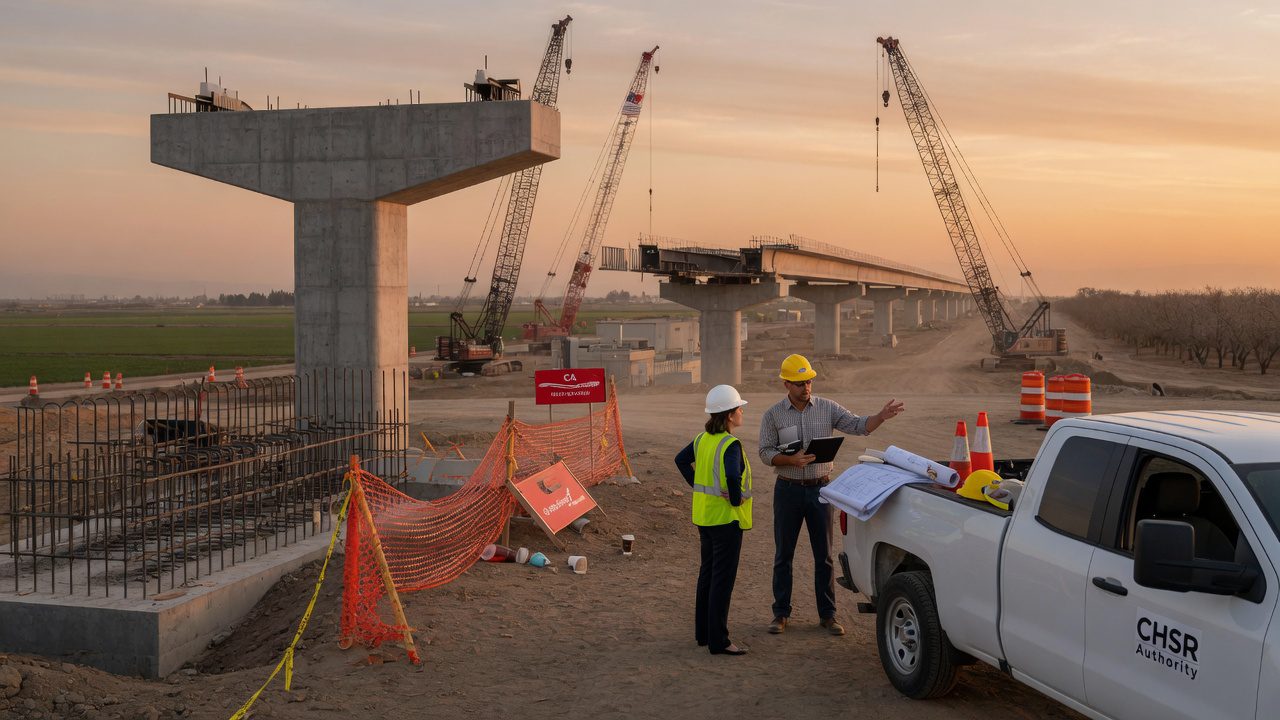
California’s high-speed rail project continues to reflect the familiar pattern of infrastructure initiatives where additional funding fails to resolve core execution challenges, much like a kitchen remodel that expands in scope and cost over years despite repeated infusions of cash. Recent developments around another $4 billion allocation underscore persistent bureaucratic loops that stretch timelines across decades, raising questions about resource allocation in large-scale public works.
Connecting Funding Patterns to Technology Integration Failures
The project’s multi-decade trajectory illustrates how outdated government procurement systems and fragmented data platforms hinder progress on critical infrastructure. Without modern software for real-time project tracking and predictive analytics, cost overruns compound as legacy processes resist updates, diverting funds that could support advanced rail signaling or integrated transportation networks reliant on cloud-based coordination.
Implications for Broader IT and Infrastructure Policy
These delays carry direct consequences for technology deployment, including postponed cybersecurity frameworks essential for automated rail operations and missed opportunities to align with data center expansions that enable smart mobility solutions. Policymakers must address how such funding cycles impact the IT sector’s ability to deliver secure, scalable systems for future transportation grids.
Strategic Lessons for Avoiding Similar Infrastructure Pitfalls
- Adopt agile methodologies in public contracts to enable iterative technology upgrades rather than rigid, long-term commitments.
- Prioritize data interoperability standards to prevent silos that inflate administrative overhead in rail and related tech projects.
- Evaluate cybersecurity requirements early to ensure delayed builds do not leave emerging networks vulnerable to evolving threats.
Ultimately, resolving these issues demands a shift toward evidence-based oversight that incorporates lessons from both physical and digital infrastructure management.
Leave a Reply