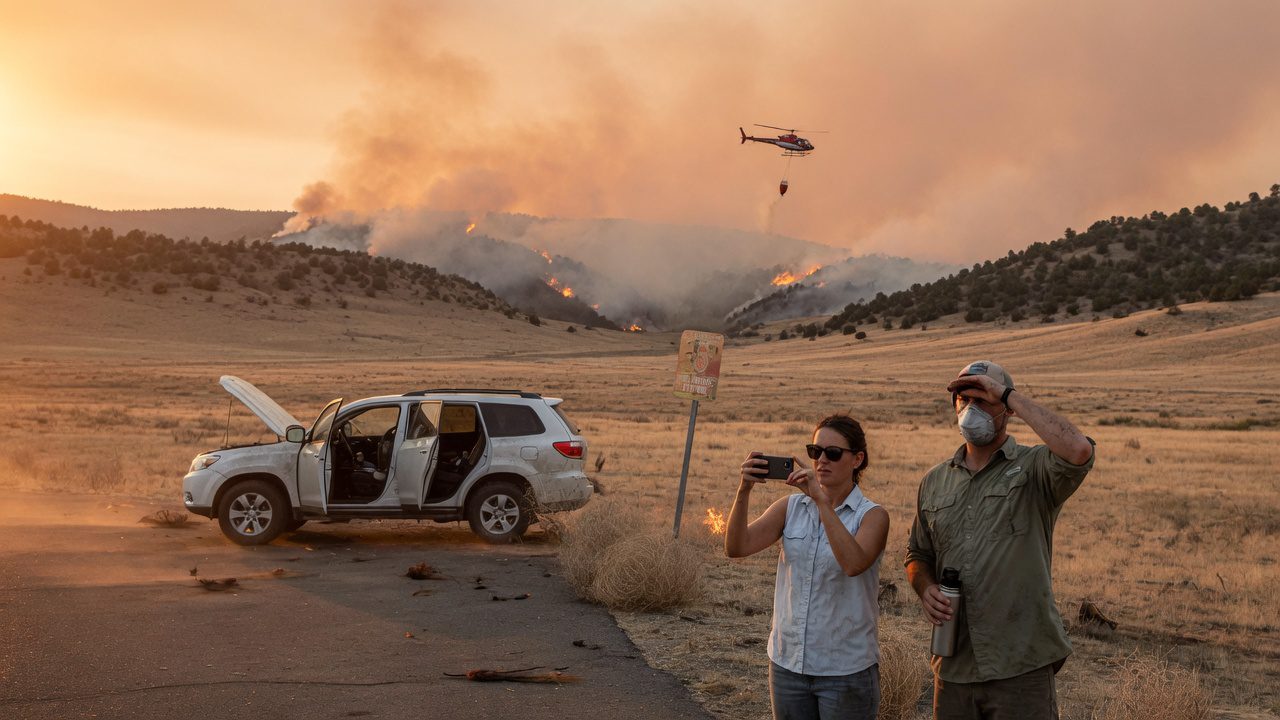
The recurring pattern of western us heat wave wildfires evacuations continues to test the limits of regional infrastructure, with extreme temperatures accelerating fire risks and forcing repeated community displacements across the western United States.
The Annual Cycle And Infrastructure Strain
Each summer, heat domes intensify wildfire conditions, prompting emergency declarations that disrupt power grids, transportation networks, and digital connectivity essential for modern operations. This cycle reveals gaps in long-term planning for critical systems that support both residents and industries.
Effects On Data Centers And Cloud Operations
Data centers in fire-prone areas face heightened risks from power outages and evacuation orders, which can interrupt cloud services relied upon by businesses nationwide. Operators must now incorporate wildfire modeling into site selection and redundancy strategies to maintain uptime during peak heat events.
Emergency Communication Systems
Tech-enabled alerts and satellite-based networks play a growing role in coordinating western us heat wave wildfires evacuations, yet bandwidth limitations during mass movements often hinder real-time data sharing between agencies and the public.
Policy Implications For It Resilience
Legislators are examining requirements for enhanced grid hardening and diversified cloud architectures to reduce dependency on vulnerable western facilities. Investment in predictive analytics tools could help forecast infrastructure threats tied to climate-driven heat and fire patterns.
- Improved sensor networks for early fire detection near facilities
- Standardized protocols for data backup during evacuations
- Public-private partnerships to bolster rural connectivity
These measures aim to shift from reactive responses to proactive infrastructure design that accounts for predictable seasonal challenges.
Leave a Reply