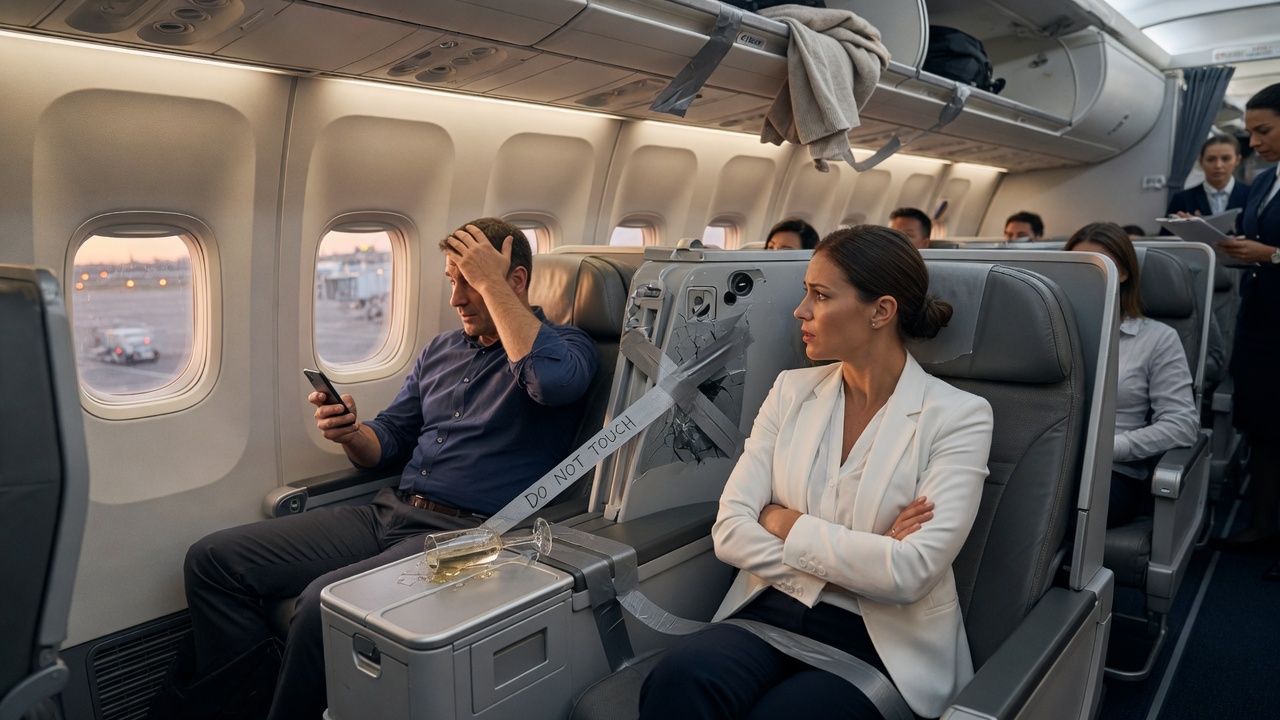
Every frequent flyer has endured the headache of rigid airline protocols that treat passengers like data packets in an overloaded network, but one recent American Airlines incident took bureaucratic absurdity to new heights by literally duct-taping a disruptive traveler to their seat in first class. This isn’t just another viral story of in-flight chaos; it highlights how outdated airline IT infrastructure and inflexible rulebooks turn minor exceptions into full-blown crises, complete with household adhesive solutions.
From Rulebooks To Real-Time Fixes: The Comedy Of Midair Protocols
Airlines operate on legacy systems that prioritize strict compliance over adaptability, much like ancient mainframes that crash when you try to update a single field. When a passenger’s behavior triggers an emergency protocol, crews lack modern digital tools for dynamic risk assessment, forcing them into physical improvisations that would make any DevOps engineer cringe. The result? Comedy gold for social media, but a glaring reminder of how poor tech strategy creates real-world vulnerabilities.
Data Points On Aviation Disruptions
- Reports show thousands of unruly passenger incidents annually, often stemming from communication breakdowns in siloed airline databases.
- Without integrated cloud-based passenger management systems, crews default to manual interventions that echo IT’s infamous “duct tape and WD-40” fixes.
Tech Infrastructure Lessons From The Tape Incident
This episode mirrors broader issues in the IT industry, where cybersecurity policies and rigid compliance frameworks can paralyze response times during outages. Imagine a data center where the only way to isolate a rogue server is to physically strap it down because your monitoring software can’t handle exceptions. Airlines need better investment in AI-driven predictive analytics and real-time collaboration platforms to prevent these escalations, reducing both passenger frustration and operational costs.
In the end, while the duct tape solution provided short-term relief, it underscores the urgent need for modernized aviation tech stacks. Otherwise, expect more flights where the punchline involves household supplies instead of seamless digital orchestration.
Leave a Reply