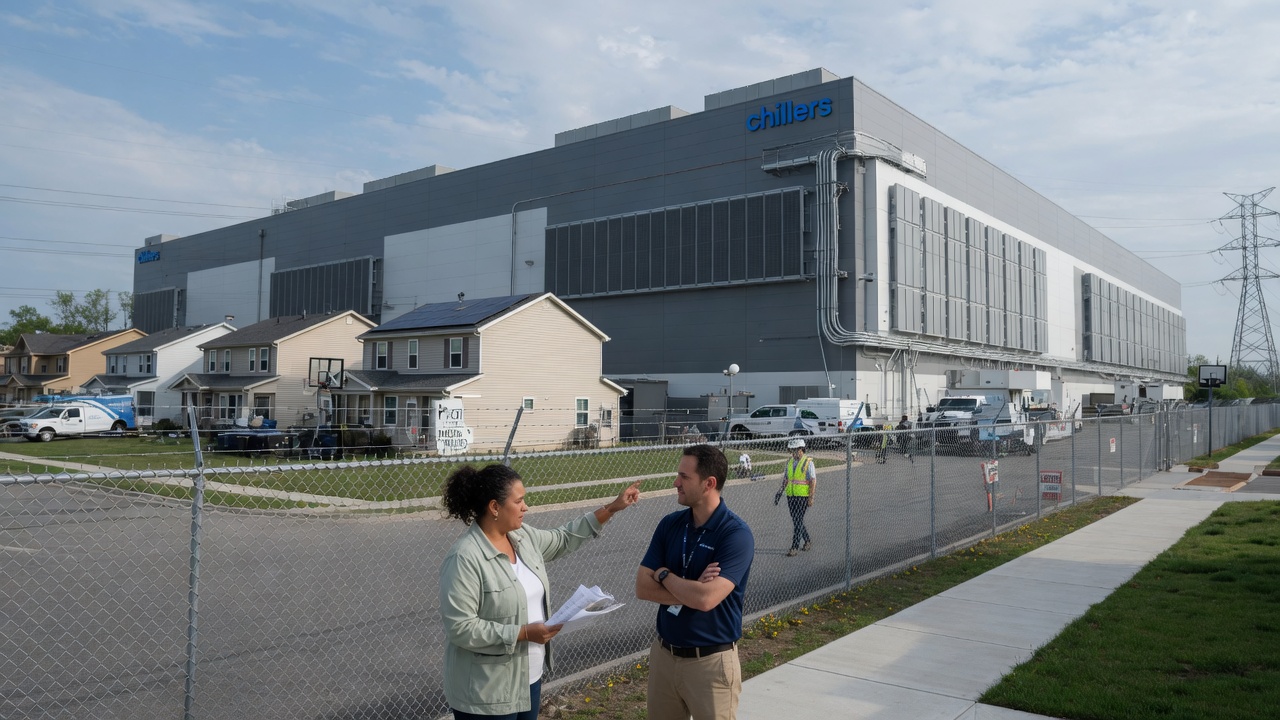
Picture this: your friendly neighborhood AI is guzzling electricity like a data center on steroids, and suddenly the folks next door are forming pitchfork committees over skyrocketing power bills. The unstoppable AI surge has collided with classic NIMBY battles, turning quiet suburbs into battlegrounds where politicians from both sides rush in to “fix” the very rate hikes everyone feels in their wallets.
The AI Power Grab Meets Local Resistance
Data centers powering the latest large language models aren’t just big—they’re power-hungry beasts that can draw as much electricity as a small city. In 2025, this infrastructure boom is colliding with residential areas, where residents are discovering their utility rates climbing to subsidize the GPUs training tomorrow’s chatbots. It’s not just about noise or traffic; it’s about the IT grid buckling under exponential demand from cloud providers and hyperscalers.
Why the Backlash Is Hitting Infrastructure Hard
Utilities are scrambling to build new substations and transmission lines, but approvals are slowing as neighbors push back. This isn’t abstract policy—it’s real-world impact on everything from latency in edge computing to the reliability of your favorite SaaS platforms. When data centers compete for the same electrons as homes, the IT industry faces higher operational costs that eventually trickle down to enterprise budgets.
Politicians Rush to Solve Power Bill Pains
Democrats and Republicans alike are suddenly experts on megawatts, proposing everything from tax incentives to outright moratoriums. The humor lies in how quickly the AI hype cycle turned into voter anger: one minute it’s all about innovation, the next it’s town halls debating whether your smart fridge should compete with a 100-megawatt training cluster. Both sides claim to protect ratepayers while quietly courting the same tech giants for economic development deals.
Strategy Implications for Cloud and Cybersecurity
Companies are now rethinking site selection, favoring regions with abundant renewables or existing nuclear capacity to dodge local pushback. This shift affects cybersecurity too—distributed workloads across more remote facilities can complicate zero-trust architectures and increase attack surfaces. Infrastructure teams should model power costs into their 2025 cloud strategies before voters force stricter zoning that limits expansion.
Real-World Impact on Tech Policy
The backlash reveals a deeper tension: AI progress depends on physical infrastructure that communities increasingly reject. Expect more states to impose data center impact fees or require renewable offsets, reshaping everything from colocation pricing to disaster recovery planning. Voters aren’t anti-technology—they’re just tired of footing the bill for someone else’s training run.
Leave a Reply