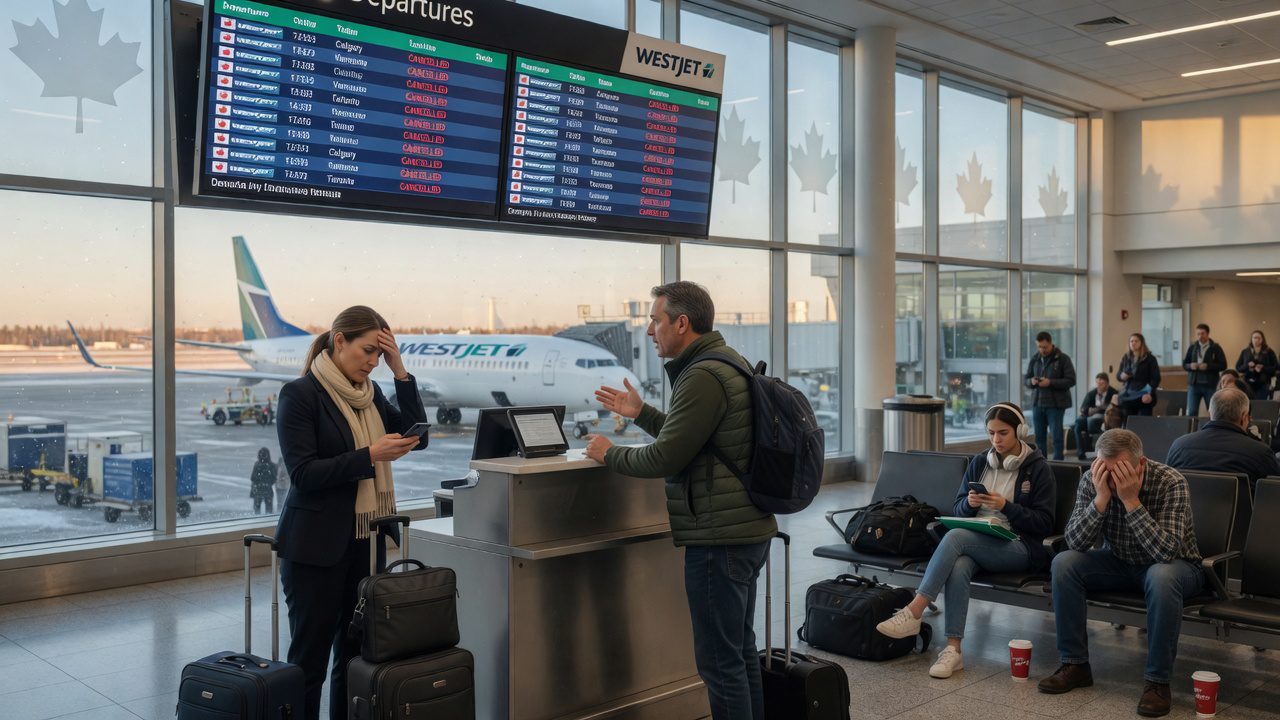
Airline labor disputes like the ongoing WestJet situation underscore how deeply modern travel depends on interconnected IT systems, where a strike can trigger widespread disruptions through scheduling algorithms, crew management platforms, and passenger rebooking databases.
The Role Of Crew Scheduling Software In Strike Scenarios
WestJet relies on sophisticated crew scheduling and optimization software to assign flight attendants and pilots across its network. When labor actions halt operations, these systems face immediate overload as automated pairings break down, forcing manual interventions that strain backend infrastructure and data centers supporting real-time updates.
Data Overload On Passenger Systems
Rebooking tools and mobile apps connected to centralized reservation databases experience surges in traffic during strikes. This highlights vulnerabilities in cloud-based infrastructure, where sudden demand spikes can lead to latency or temporary outages, directly amplifying the westjet flight attendants strike impact on travelers seeking alternative arrangements.
Cascading Effects On Broader Aviation Networks
Integrated systems linking airlines with airports, air traffic control data feeds, and third-party booking engines mean disruptions propagate quickly. Policy discussions around aviation IT resilience now emphasize redundancy in data centers and cybersecurity measures to prevent secondary exploits during operational chaos.
- Real-time flight status APIs become critical yet overloaded points of failure.
- Cloud providers hosting airline operations must scale resources rapidly to maintain service continuity.
- Travelers encounter unpredictable outcomes as predictive analytics models fail to account for human labor variables.
Ultimately, these events reveal strategic gaps in how the aviation sector manages technology dependencies amid workforce challenges, affecting everything from data integrity to customer trust in digital travel platforms.
Leave a Reply