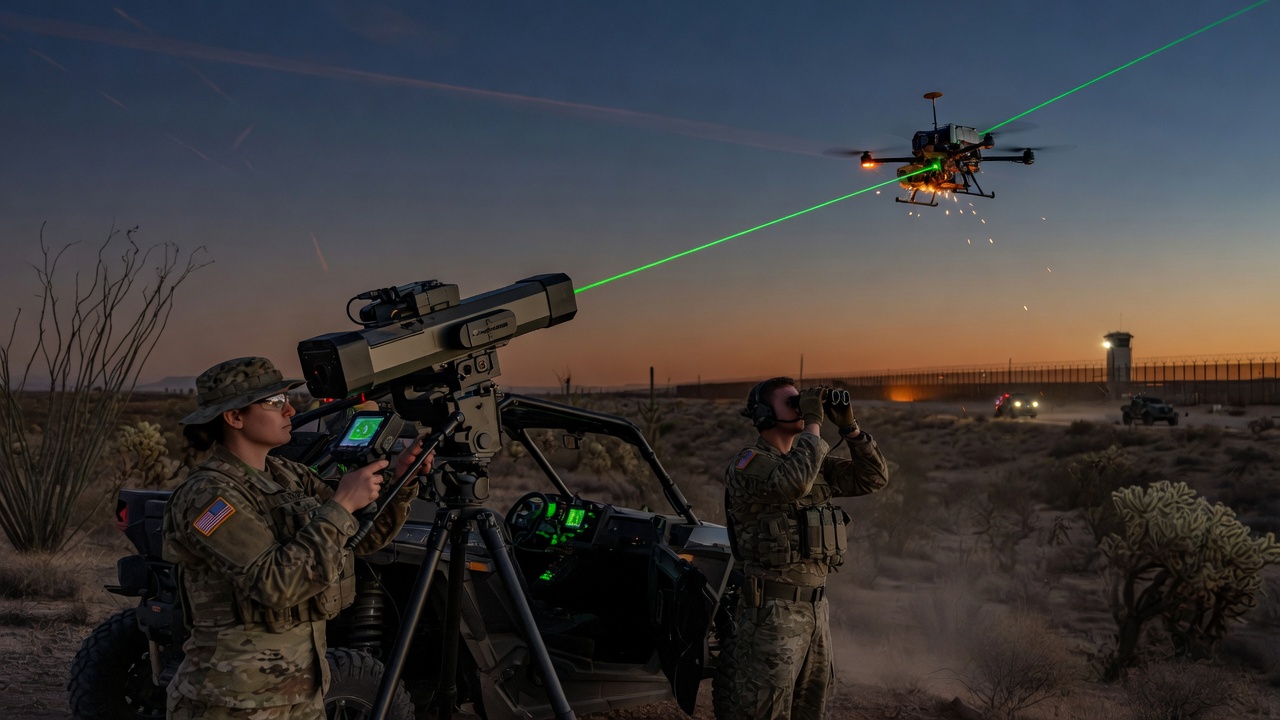
Picture this: Hollywood laser battles crash into real-world border defense as the US military laser downs Mexican cartel drones, turning high-stakes smuggling flights into a game of zapped gadget overload that feels all too familiar to anyone juggling too many smart devices at home.
From Sci-Fi Flicks To Border Infrastructure
The shift from movie magic to operational reality highlights how directed-energy weapons are reshaping border security infrastructure. These systems rely on sophisticated targeting software, real-time data feeds, and power grids sturdy enough to handle sustained laser bursts without melting the nearest server rack.
Tech Arms Race Meets Everyday Gadget Fatigue
Cartels have leaned on cheap drones for smuggling, but the US military’s laser countermeasures zap them mid-flight like an overzealous spam filter clearing inbox clutter. The absurdity of the tech arms race hits home for anyone who’s battled Wi-Fi dead zones or rogue smart-home gadgets, except here the stakes involve actual national security instead of lost streaming sessions.
IT And Cybersecurity Implications
Behind the flashy zaps lies heavy infrastructure: advanced sensors feeding into cloud-based analytics platforms that predict drone paths and manage energy allocation. Cybersecurity teams must now harden these laser control systems against potential hacks, turning border defense into another front in the ongoing battle to protect critical digital assets from tampering.
- Power infrastructure upgrades needed for consistent laser deployment
- Data centers processing sensor input in milliseconds
- Policy shifts around exporting directed-energy tech
Real-World Impact And Strategy
Strategically, this approach cuts costs compared to traditional missiles while forcing adversaries to rethink drone tactics. For the IT industry, it signals growing demand for resilient edge computing and AI-driven threat detection at remote sites, all while keeping the humor alive in an otherwise serious tech evolution.
Leave a Reply