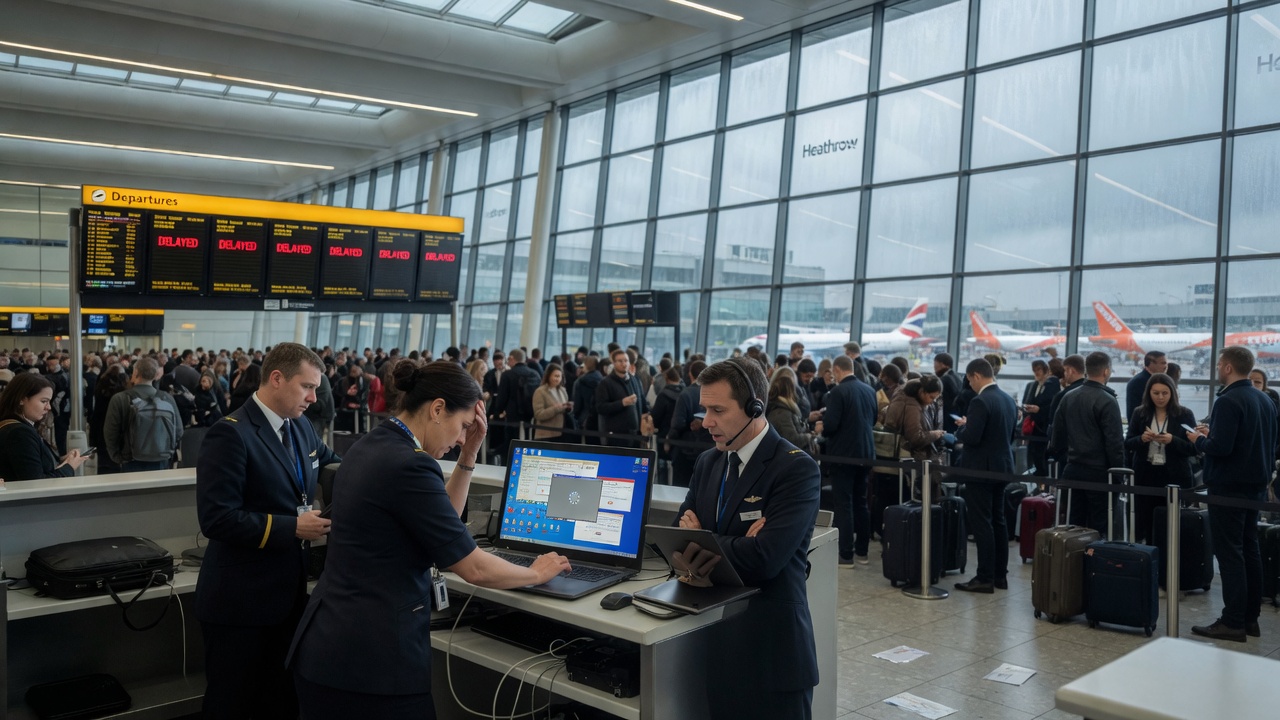
Picture this: your suitcase is packed, your boarding pass is ready, and then one tiny software glitch in the UK air traffic control outage causes flight chaos that turns your dream getaway into a marathon of endless delays, lukewarm coffee, and those suspiciously expensive airport sandwiches that cost more than your actual ticket. A single system meltdown doesn’t just strand planes—it unravels vacation plans in real time while highlighting just how fragile our modern aviation infrastructure really is.
The Tech Behind The Meltdown
At its core, this wasn’t a weather event or a strike but a classic case of software dependency gone wrong. Air traffic control systems rely on complex, interconnected networks that manage everything from flight paths to radar data. When a bug hits, the ripple effects cascade through cloud-based scheduling tools and legacy databases that haven’t seen a proper update since the dial-up era, leaving thousands of passengers staring at departure boards that might as well display “good luck.”
Single Points Of Failure In Critical Infrastructure
Modern aviation depends on centralized IT systems that act like the nervous system of an airport. A glitch in one component—say, a faulty data synchronization routine—can halt operations across the network because there’s often insufficient redundancy. It’s the digital equivalent of building a skyscraper on a single support beam and then wondering why everything wobbles when the wind picks up.
Real-World Impact And The Cost Of Chaos
Beyond the obvious stranded travelers, the outage exposed strategic weaknesses in how the industry handles tech resilience. Airlines lost millions in rerouting and compensation, while data centers supporting flight management tools worked overtime to recover. For everyday flyers, it meant hours lost to overpriced snacks and the comedy of trying to rebook on apps that were themselves overwhelmed by sudden traffic spikes.
- Delays compound quickly: One canceled flight blocks gates, crews, and aircraft for the rest of the day.
- Policy questions arise: Should regulators mandate more rigorous testing for air traffic software before deployment?
- Business continuity gaps: Many operators still treat backups as an afterthought rather than a core infrastructure requirement.
What This Means For Future Tech Strategy
The UK air traffic control outage causes flight chaos that serves as a wake-up call for the entire sector. Investing in distributed systems, regular penetration testing, and failover mechanisms isn’t just good IT hygiene—it’s essential for keeping planes in the sky and passengers from turning into hangry philosophers at the departure lounge. Next time you hear about a “minor technical issue,” remember it might be the one bug that decides your holiday fate.
Leave a Reply