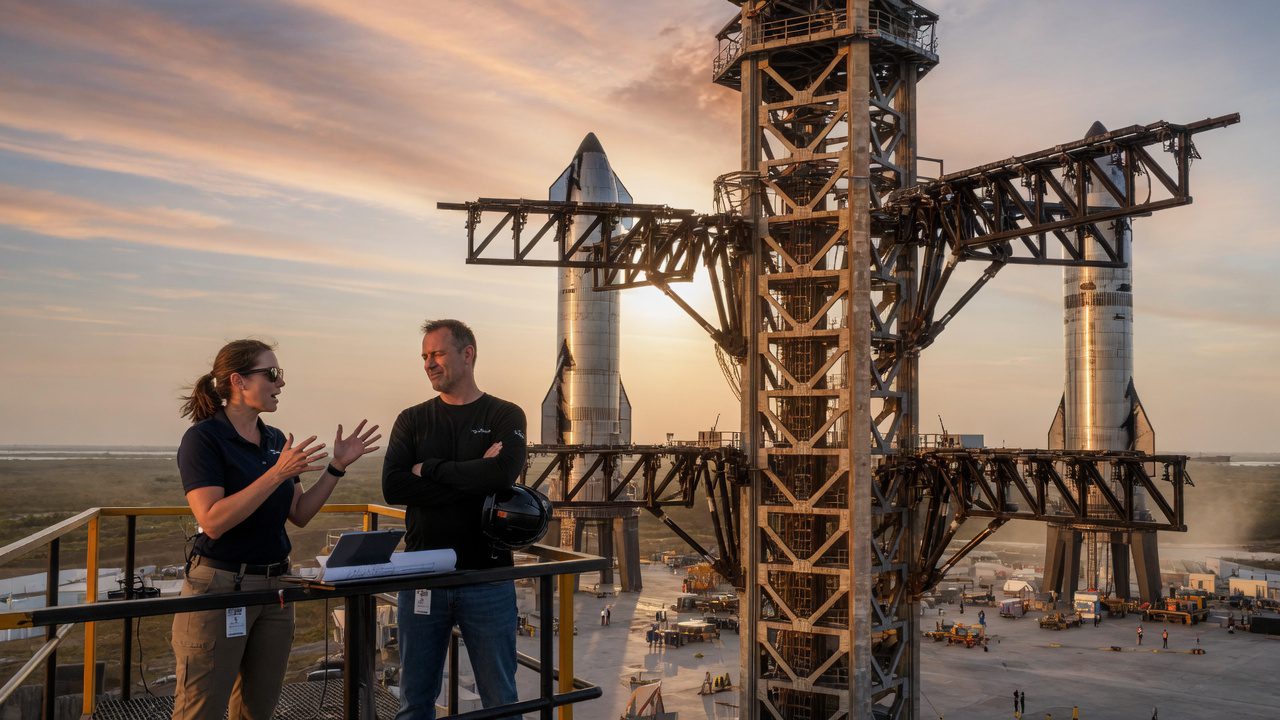
SpaceX is advancing reusable rocket systems by proposing to catch the returning Starship booster using a specialized tower mechanism rather than traditional landing methods. This approach builds on broader trends in reusable infrastructure seen across technology sectors, where components are designed for multiple cycles to reduce costs and improve operational efficiency.
Understanding The Tower Catch Mechanism
The proposed system involves the Starship booster maneuvering to align with mechanical arms on the launch tower after surviving atmospheric re-entry. Sensors and autonomous control software would guide the alignment process, drawing parallels to precision automation used in data center robotics and cloud infrastructure management.
Key Technological Components
- Real-time flight control algorithms for descent stability
- Structural reinforcements on both the booster and tower to handle dynamic loads
- Integration of telemetry data streams similar to those in large-scale IT monitoring platforms
Infrastructure Implications For The Space Sector
Adopting tower-based recovery could reshape launch site design, emphasizing fixed ground infrastructure over dispersed landing zones. This mirrors shifts in the IT industry toward centralized, high-efficiency facilities that support repeated use while minimizing resource expenditure. Engineers must address challenges in thermal management and vibration control, areas that also impact hyperscale computing environments.
Policy And Regulatory Considerations
Regulatory bodies will evaluate safety protocols and failure scenarios for such recovery methods. These assessments parallel discussions in tech policy around infrastructure resilience, including cybersecurity standards for autonomous systems and environmental impact evaluations for repeated operations.
Real-World Impact On Technology Development
Successful implementation may accelerate innovation in reusable systems, influencing supply chains and software development for mission-critical applications. Data from test flights could inform modeling techniques applicable to predictive maintenance in cloud and data center operations, extending the reach of aerospace advancements into terrestrial IT infrastructure strategies.
Leave a Reply