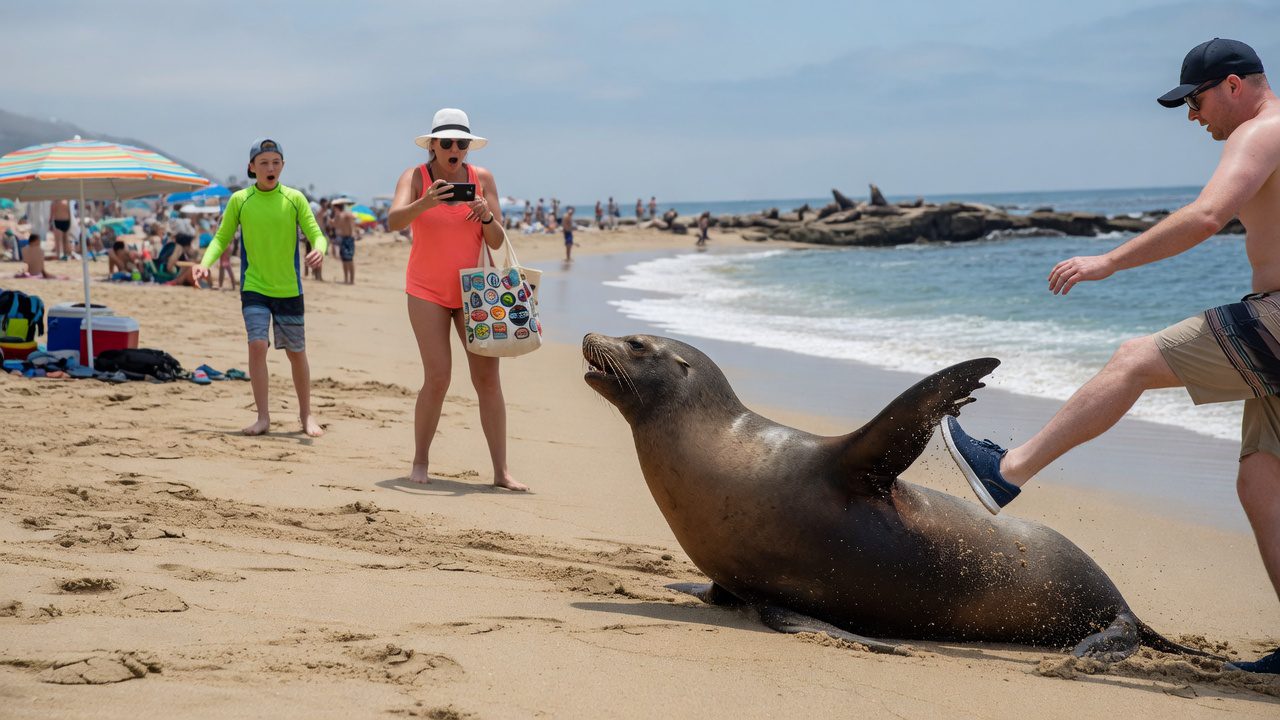
The recent sea lion kicked La Jolla beach NOAA investigation underscores a growing pattern where social media algorithms transform remote coastal sites into overcrowded selfie destinations, forcing wildlife into unintended interactions and triggering complex bureaucratic response protocols.
Algorithmic Amplification of Sensitive Locations
Recommendation engines on major platforms prioritize visually striking content, rapidly scaling visitor numbers to fragile ecosystems without corresponding infrastructure upgrades. This creates measurable spikes in foot traffic that overwhelm local monitoring systems and accelerate incidents involving protected species.
Data-Driven Tourism Hotspots
Location-tagged posts and geotagging features generate real-time datasets that inadvertently direct crowds to La Jolla and similar areas. The resulting density requires advanced crowd analytics and predictive modeling, areas where current municipal IT systems often lag behind commercial platform capabilities.
NOAA Investigation Workflows and Digital Infrastructure
Federal wildlife probes rely on integrated data pipelines for incident logging, witness statements, and environmental impact assessments. Delays in these bureaucratic processes frequently stem from fragmented databases and limited interoperability between local enforcement tools and national repositories.
Policy Gaps in Platform Accountability
Current regulations do not mandate that social platforms share aggregated location data with conservation agencies, leaving NOAA investigators to reconstruct events manually. Enhanced API requirements and standardized data-sharing frameworks could reduce response times and improve proactive site management.
Long-term strategies must address how digital infrastructure decisions influence physical resource allocation, ensuring that viral tourism does not outpace the technological and regulatory systems designed to protect both wildlife and public access.
Leave a Reply