Blog

  • China’s Military Purge: A Field Guide to Extreme Corporate Restructuring

    China’s Military Purge: A Field Guide to Extreme Corporate Restructuring

    We’ve all received that ominous calendar invite: “Mandatory Meeting: Organizational Realignment.” It usually means stale donuts, a lot of confusing charts, and someone from HR explaining why the entire marketing department has been “synergized” into a single unpaid intern. But what happens when this corporate playbook gets applied to, say, a nation’s military high command? It seems China’s leadership under Xi Jinping is undergoing what can only be described as the most high-stakes performance improvement plan in history.

    The Ultimate Offboarding Process

    In most companies, when a key leader is let go, there’s a quiet handover of their laptop, a revoked keycard, and an awkward farewell email. In this military purge, the offboarding seems a bit more… decisive. Think of it as a radical approach to reducing headcount and streamlining decision-making. Forget exit interviews; this is more of an “exit, full stop” strategy. It’s the kind of “right-sizing” that makes you nostalgic for the days when the biggest threat was being moved to a desk near the noisy printer.

    Revoking Admin Privileges, Permanently

    From an IT perspective, this is a fascinating case study in access control. Imagine discovering your entire rocket force’s command structure has a massive security vulnerability. You don’t just patch it; you decommission the whole server rack. It’s the ultimate “turn it off and on again,” but for a geopolitical superpower. We stress about users sharing passwords for the company streaming service, while they’re seemingly revoking root access to the entire defense apparatus. The helpdesk ticket for this would be a thing of beauty:

    • Problem: User has excessive permissions.
    • User: Minister of Defense.
    • Action Taken: Account permanently disabled. And user.
    • Resolution Time: Immediate.

    The All-Hands Meeting We Don’t Want to Attend

    Can you picture the subsequent all-hands meeting? A nervous official stands at a podium, clicking through a PowerPoint. “As we move forward, we’re excited to leverage new synergies and welcome fresh perspectives to the Politburo…” all while the remaining generals nervously check their phones, hoping they don’t get a “chat request” from state security. It gives a whole new meaning to the phrase “managing down.” At the end of the day, it’s a stark reminder to be grateful for our own comparatively low-stakes office dramas. Sure, Carol from accounting might steal your yogurt from the fridge, but at least she doesn’t have the authority to re-assign you to a “re-education” facility.


  • 149 Million Passwords Exposed: A Global Privacy Wake-Up Call

    149 Million Passwords Exposed: A Global Privacy Wake-Up Call

    Well, it’s happened again. A number with so many zeroes it looks like a typo—149 million—is splashed across the headlines. Another Tuesday, another colossal credential stuffing list making the rounds. While the less-initiated clutch their pearls, we in the security trenches just sigh, top up our coffee, and wonder if any of them are ours. But this isn’t just another technical oopsie. This latest global data breach cybersecurity event is a hilarious and terrifying reminder that our concept of borders is, to put it mildly, adorable. We build walls and staff customs checkpoints, yet our data is zipping around the globe like a tourist with a Eurail pass and no sense of direction.

    Geopolitical Picket Fences

    Remember in cartoons when a character would draw a line in the sand? That’s basically our international data policy. In the physical world, crossing a border involves passports, stern-looking guards, and a non-zero chance your luggage gets “randomly” inspected. In the digital world, data crosses a border every time you load a webpage with a CDN hosted in Frankfurt, use a SaaS tool based in Ireland, or have a customer from Japan. We’ve built a globalized digital economy on the premise of frictionless movement, then seem perpetually shocked when the friction-free movement includes, you know, everything we wanted to keep secret.

    The modern geopolitical landscape is a fascinating mess. Nations posture and draw firm lines while their critical data is being processed on a server rack sitting next to a competitor’s, all managed by a third party in a country that sees data privacy as a vague suggestion. It’s like holding a top-secret meeting in the middle of a bustling international airport food court. Sure, you’ve got your own table, but the conversations are for everyone.

    Attribution: The World’s Worst Improv Show

    When a physical incursion happens, it’s (usually) pretty clear who’s responsible. Tanks tend to have flags on them. But in the global data breach cybersecurity sphere? Attribution is a dark art masquerading as a science. Was it Fancy Bear, Cozy Bear, or just some guy named Barry who bought a malware kit with his crypto winnings? The trail of evidence is a labyrinth of rerouted proxies, false flags, and technical artifacts that could point to three different continents simultaneously.

    • Step 1: The breach is discovered, typically months after it happened.
    • Step 2: A frantic game of “Not It!” begins among internal teams.
    • Step 3: Expensive consultants are hired to produce a 200-page report that concludes, “It was a sophisticated, persistent threat.” Thanks, guys.
    • Step 4: Vague fingers are pointed at a nation-state, which promptly denies it and accuses the accuser of a false flag operation.

    By the time there’s any consensus, the stolen data has been sold, resold, bundled with other breach data, and used to compromise a thousand other systems. The horse hasn’t just left the barn; it has galloped across three continents and started a new family.

    Embracing the Chaos

    If digital borders are a fiction, what’s a CISO to do? First, stop trying to build a digital Berlin Wall. It’s expensive, ineffective, and your developers will just use a VPN to get around it anyway. The focus has to shift from prevention to resilience. Assume the perimeter is not a wall, but a series of loosely connected, frequently-on-fire welcome mats.

    This is where Zero Trust stops being a buzzword you put on a slide deck to get more budget and starts being a genuine survival strategy. Trust nothing. Verify everything. Segment your networks like you’re creating a city-state for every single application. And for the love of all that is holy, have an incident response plan that doesn’t begin with “Step 1: Find out who had the password to the firewall.” The 149 million passwords aren’t a wake-up call anymore. The alarm has been blaring for years. This is just the snooze button getting smashed with a hammer. In a borderless digital world, the only territory you can truly defend is your own data, one encrypted packet at a time.

  • The Great Greenland Purchase: When Geopolitics Got Treated Like a Monopoly Board

    The Great Greenland Purchase: When Geopolitics Got Treated Like a Monopoly Board

    There are moments in international diplomacy that feel less like carefully orchestrated statecraft and more like someone accidentally hitting ‘reply all’ on a very sensitive email. The 2019 proposal to purchase Greenland was one of those moments. The world’s geopolitical operating system, which usually hums along with the quiet dignity of treaties and summits, suddenly received a command it couldn’t parse: BUY Greenland.exe. For a moment, everyone just stared at the screen, wondering if it was a system glitch or a feature they hadn’t read about in the manual.

    The Ultimate Fixer-Upper

    From a purely transactional, real-estate-developer point of view, you could almost squint and see the logic. Big island. Lots of resources. Strategic location. Great potential for a luxury golf course, probably. It was an analysis that treated a nation like an underperforming asset on a spreadsheet—a prime piece of real estate just waiting for the right mogul to flip it. The pitch was simple: we have cash, you have a large, sparsely populated landmass. It was the geopolitical equivalent of a ‘we buy ugly houses’ sign planted on the Arctic Circle.

    A Protocol Mismatch of Epic Proportions

    The problem, of course, is that international relations doesn’t run on the same software as Manhattan real estate. It operates on a complex protocol stack built on centuries of sovereignty, self-determination, and cultural identity. The offer wasn’t just a faux pas; it was a fundamental category error. It was like trying to pay for your groceries using stock options in a company that doesn’t exist yet. The cashier doesn’t just say no; they look at you with profound confusion. The Danish Prime Minister’s response, calling the idea ‘absurd,’ wasn’t just a rejection; it was the system politely returning a ‘400 Bad Request’ error. The input was simply not valid in this context.

    So, What’s the Property Tax on a Country?

    The whole Greenland saga was a hilarious reminder that countries are not just giant plots of land on a global Monopoly board. They are living, breathing systems with their own people, history, and unalienable right to not be sold like a used car. You can’t just make an offer, haggle over the price, and then wonder where to put the new flagpole. The affair served as a perfect, if brief, lesson in the difference between a deal and diplomacy. One is about assets; the other is about allies. And as we learned, you can’t just put a hotel on a country and collect rent.

  • World Leaders Play Deal or No Deal at Davos, and We’re All Contestants

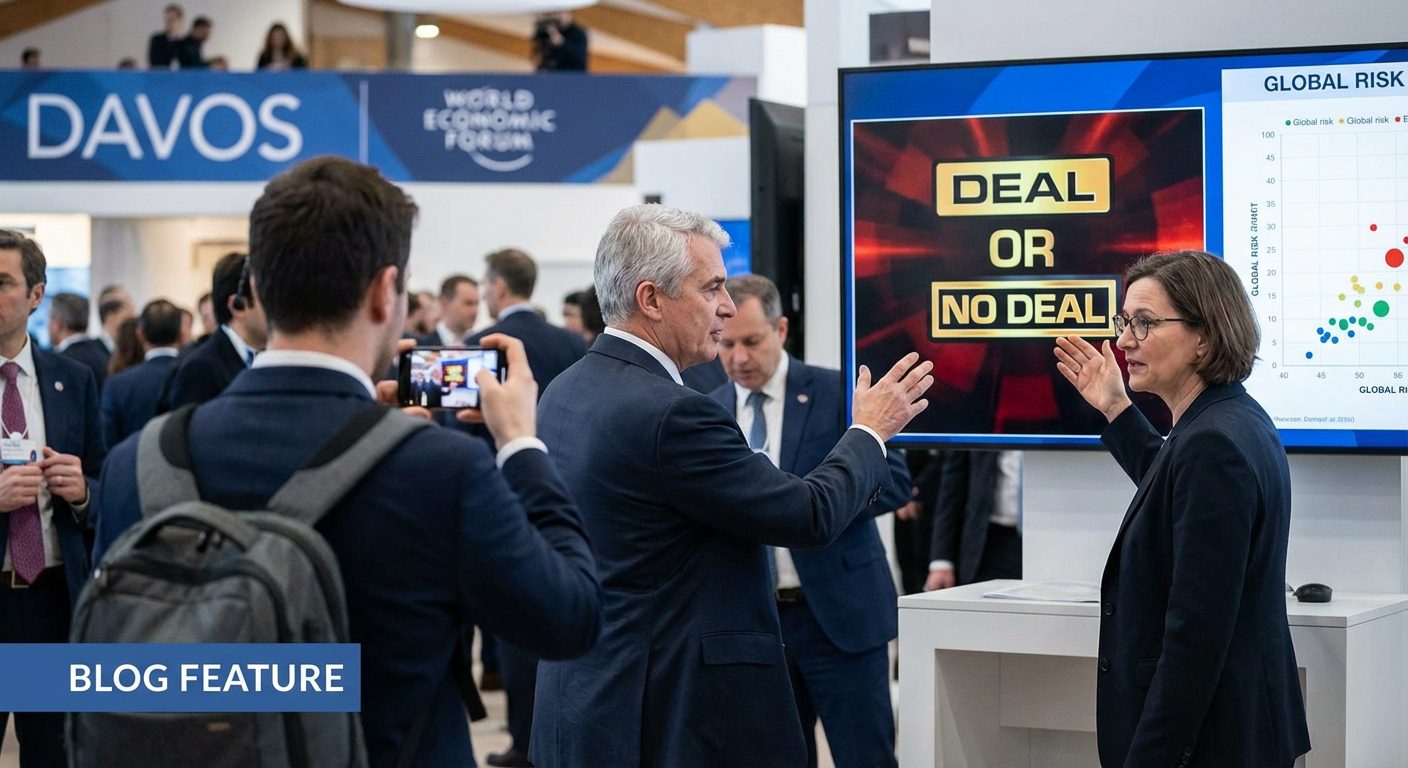
    World Leaders Play Deal or No Deal at Davos, and We’re All Contestants

    Picture the scene: the stage is lit, the tension is palpable, and a row of identical briefcases holds fates unknown. No, this isn’t a daytime game show rerun; it’s the World Economic Forum in Davos. The contestants are world leaders, the host is the relentless march of globalization, and the grand prize is, well, not triggering an immediate global recession. For a few days every year, the snowy peaks of Switzerland become the set for the world’s most consequential game of ‘Deal or No Deal’.

    Our Star Contestant and His Briefcase

    Every good game show needs a charismatic star. Enter former President Trump, whose signature ‘art of the deal’ approach to international relations turned every negotiation into a potential season finale. While other leaders clutched their policy briefs like nervous contestants hoping to avoid the 1-cent case, Trump’s strategy was to keep everyone guessing. Would he take the banker’s offer of a multilateral agreement, or would he go for broke on a bilateral trade deal that could be worth trillions… or nothing?

    What’s Actually in Those Briefcases?

    The stakes at Davos are slightly higher than a new car or a vacation package. The briefcases contain the very architecture of our globalized world. When a leader ‘opens a case’, they’re not just revealing a number; they’re revealing a policy decision with massive ripple effects. The board might look something like this:

    • Briefcase #5: A new series of trade tariffs. Value: -$200 Billion and a global supply chain migraine.
    • Briefcase #12: A surprise climate accord. Value: A slightly less melty planet, but the Banker’s offer is a ‘modest’ carbon tax you have to pass.
    • Briefcase #22: A bilateral handshake deal. Value: Potentially huge for two countries, but makes everyone else in the room awkwardly check their phones.
    • Briefcase #1: The dreaded global recession. Value: Basically negative infinity. Avoid at all costs.

    The Banker Is On Line One

    In this version of the game, ‘The Banker’ is a coalition of sober-suited economists from the IMF and WTO. Their offers are always the same: a 700-page document full of carefully worded compromises that makes everyone equally, mildly unhappy. It’s the sensible beige sedan of global policy. The core drama of Davos-style international relations is whether leaders, particularly figures like Trump, will take the safe, boring, multilateral deal from The Banker or risk it all for a spectacular win. It’s a clash between predictable stability and high-stakes showmanship.

    So as we watch the highlights, it’s easy to get caught up in the spectacle. But unlike a TV show, we can’t just change the channel if we don’t like the outcome. We’re all in the studio audience, hoping the final briefcase contains something better than a lifetime supply of economic uncertainty.

  • Nuclear Revival: Japan’s Fukushima-Sized Energy Gamble

    Nuclear Revival: Japan’s Fukushima-Sized Energy Gamble

    Imagine your computer suffers a catastrophic, sparks-flying, smoke-billowing crash. After a decade of using a tablet, you decide it’s time to reboot the old beast because, frankly, your power bills are astronomical. That’s basically Japan right now, standing in front of the world’s largest nuclear power plant, Kashiwazaki-Kariwa, muttering, “Well, here goes nothing.”

    The ‘Have You Tried Turning It Off and On Again?’ Energy Strategy

    After the 2011 Fukushima disaster, Japan did the sensible thing: it rage-quit nuclear power. The country turned off all its reactors, a move akin to a global IT department yanking every server cord at once. But living without that massive, humming power source has been tricky. Japan has been importing fossil fuels like a shopper on a Black Friday spree, and the national energy bill has more zeroes than a programmer’s nightmare. So, the decision for a Japan nuclear plant restart feels less like a bold new vision and more like finding an old, slightly terrifying power brick in the basement that might just solve everything.

    The Fukushima-Sized Elephant in the Room

    Of course, you can’t talk about a Japan nuclear plant restart without mentioning the F-word: Fukushima. The memory is still incredibly fresh. Trying to convince the public to embrace nuclear power again is like trying to sell a new and improved version of a phone that was famous for, you know, exploding. The sales pitch is a tough one: “Yes, the last one caused a bit of a meltdown, but look! This new model has extra-thick concrete walls and a brand-new, Tsunami-proof phone case!” Complicating things is Kashiwazaki-Kariwa’s own spotty track record, which includes surviving a major earthquake in 2007 and, more recently, failing its security inspection like a student who forgot there was a test. It’s not just any old power plant; it’s one with a pre-existing condition.

    The Ultimate System Update

    So what makes this time different? Paperwork. So. Much. Paperwork. Japan’s Nuclear Regulation Authority has been running the most intense diagnostics in history. The safety upgrades and new protocols are a bureaucratic masterpiece of checklists, simulations, and endless meetings. Getting local approval to flip the switch is like submitting a software update to the world’s most skeptical review board. Every line of code is scrutinized, every permission is questioned, and everyone is worried about bugs—the really, *really* bad kind. This isn’t just about engineering; it’s a massive exercise in trust-building, trying to prove that the system’s new firewall is finally robust enough.

    Ultimately, Japan is attempting the world’s biggest Ctrl+Alt+Del. It’s a calculated gamble between energy security and the ever-present fear of another system failure. As the first reactors at this behemoth plant prepare to spin up, an entire nation—and the world—is watching, hoping this reboot doesn’t end with another blue screen of death.

  • Board of Peace: Is This Global Governance or a Hollywood Reboot?

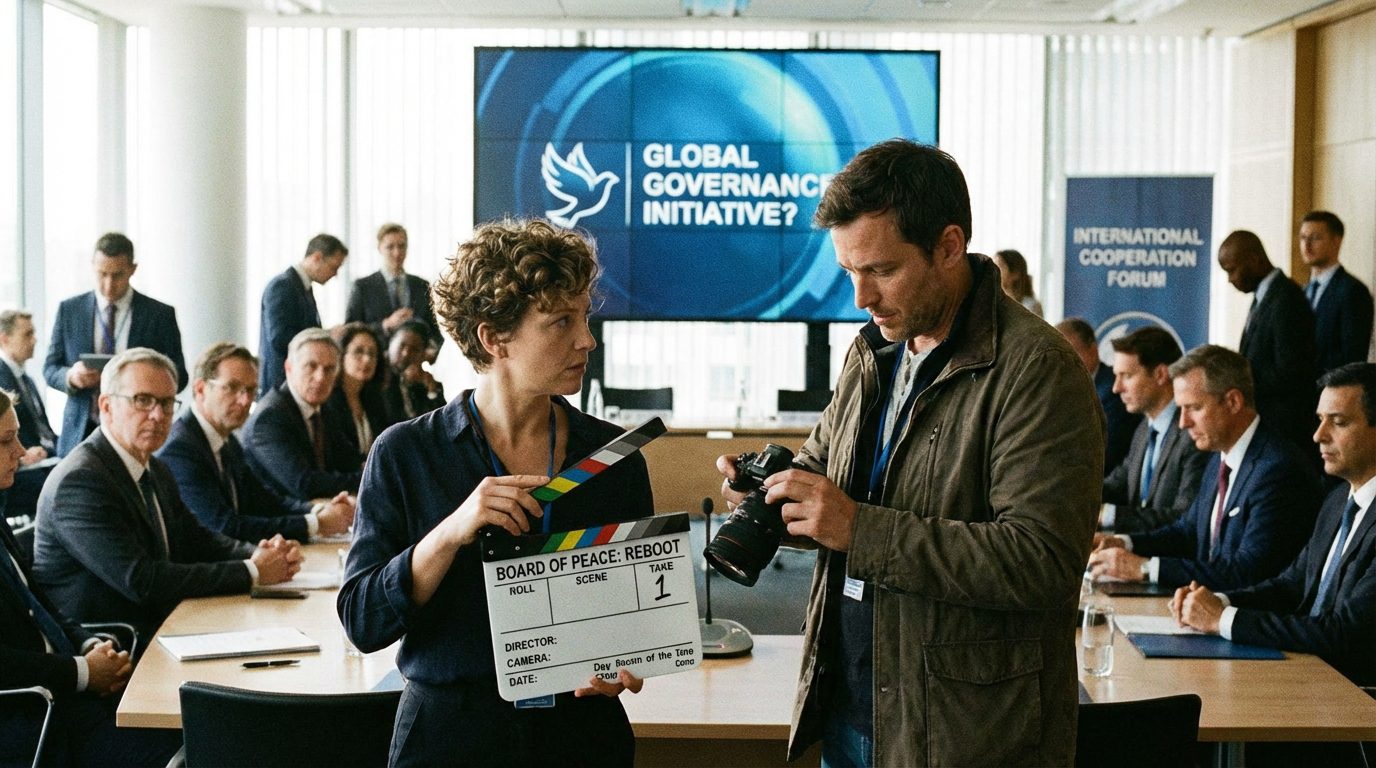
    Board of Peace: Is This Global Governance or a Hollywood Reboot?

    In the grand theater of international relations, every so often a new character enters stage left, promising to solve the plot. This season’s debut is the “Board of Peace,” an oversight body for Gaza reconstruction that feels less like a UN subcommittee and more like a Silicon Valley startup that just secured its Series A funding. It has a sleek name, a mission statement full of synergistic keywords, and the unenviable task of debugging one of the world’s most complex legacy systems. Forget slow-moving diplomacy; this is governance as a fast-follow, disruptive product launch.

    The Spec Sheet: What’s Under the Hood?

    On paper, the Board of Peace is an elegant solution to a chronic problem. Its core mandate is to provide independent, real-time oversight of reconstruction funds and material entry into Gaza, effectively acting as a trusted third-party API between donors, regional powers, and the on-the-ground reality. The feature list is impressive:

    • Real-Time Transparency Module: A public-facing dashboard to track every bag of cement, replacing the old system of “sending an email and hoping for the best.”
    • Multi-Factor Authentication for Materials: A vetting process designed to ensure that resources are used for their intended civilian purposes, preventing system exploits.
    • Cross-Platform Compatibility: Engineered to interface with the often-incompatible operating systems of various NGOs, governments, and international bodies.

    It’s a technocrat’s dream, a workflow designed to minimize friction and maximize accountability. But as any IT professional knows, the gap between the flowchart and the factory floor can be immense.

    System Integration or Full-Stack Replacement?

    The key question for us observers is whether the Board of Peace is merely a patch for the existing global governance framework or a beta test for a whole new one. Traditional institutions, with their labyrinthine approval processes and dial-up-speed decision-making, often feel like they’re running on Windows 95. This new body seems designed to be cloud-native, agile, and scalable.

    This represents a fascinating pivot. Instead of trying to reform the monolithic legacy code of older institutions, the international community seems to be spinning up specialized microservices to handle specific critical tasks. It’s a pragmatic, if slightly chaotic, approach. Why spend a decade debating reforms to the mainframe when you can just build a nimble app to handle the payment processing?

    Known Bugs and Feature Requests

    Of course, no V1.0 launch is without its potential issues. The primary bug report will likely be geopolitical latency—the time it takes for all parties to agree on a single data point. There are also potential compatibility conflicts with deeply entrenched political interests that don’t play well with new APIs. The system’s ultimate success will depend on whether its architecture is robust enough to handle the inevitable denial-of-service attacks from political spoilers. For now, we watch with professional curiosity. The Board of Peace for Gaza reconstruction isn’t just a humanitarian initiative; it’s a live stress test of a new model for getting things done. Let’s hope the system doesn’t crash.

  • Greenland: The Quiet Island Causing a Global Geopolitical Meltdown

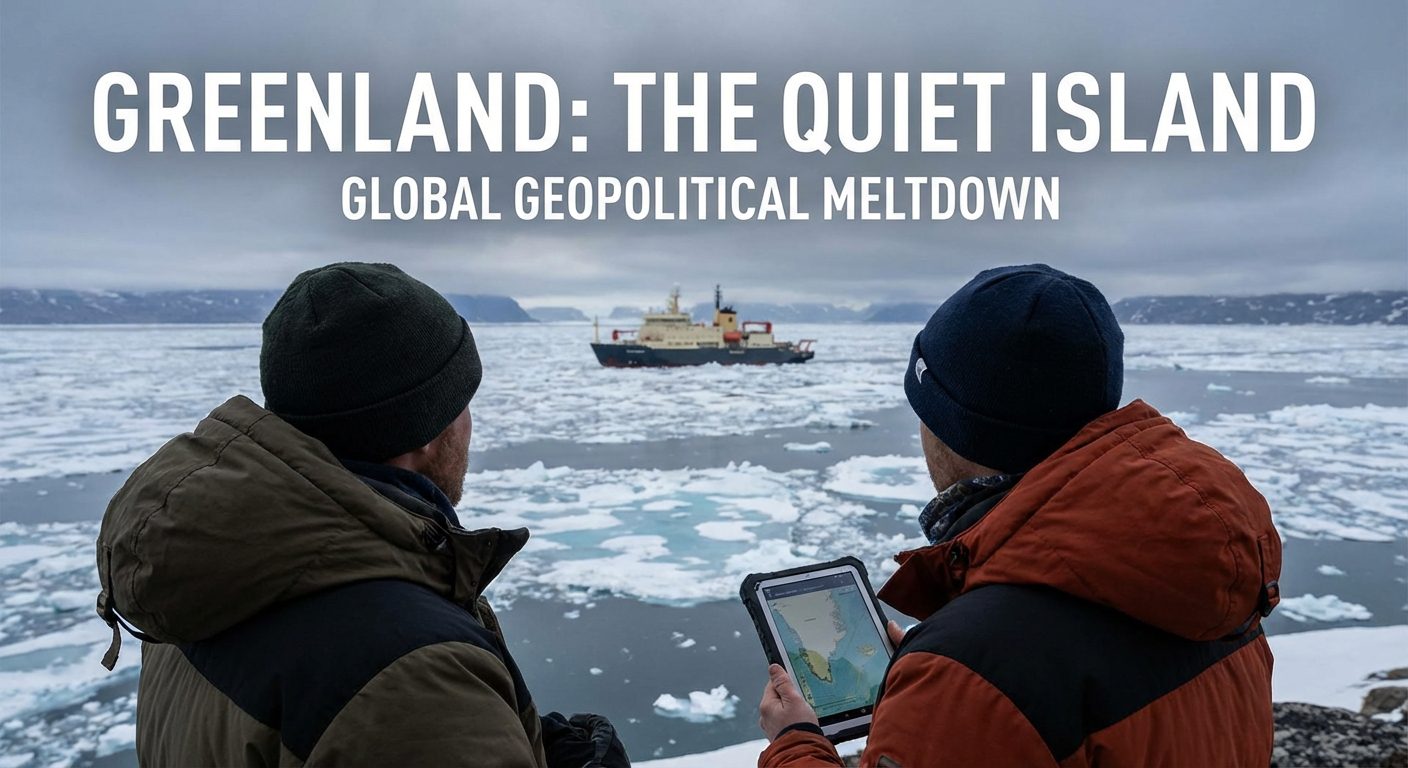
    Greenland: The Quiet Island Causing a Global Geopolitical Meltdown

    Let’s be honest, until recently, Greenland was that quiet coworker you barely noticed. It sat in the corner of the world map, massive but silent, mostly known for ice and a misleading name. Suddenly, however, every global superpower is sliding into its DMs. The United States tried to buy it, China declared itself a “near-Arctic state” (a geographic stretch akin to me calling myself a “near-astronaut”), and Russia is dusting off old military bases like it’s preparing for a high school reunion. This sudden popularity contest has turned the island into the epicenter of a slow-motion Greenland geopolitical crisis, and it’s more revealing than a corporate email sent to the wrong person.

    So, Why is Everyone Swiping Right on Greenland?

    It boils down to a classic case of a global software patch with unintended consequences. The bug? Climate change. The accidental feature? Opportunity. The ice is melting, which, while catastrophic for the planet, has suddenly turned the Arctic into a hot commodity. Here’s the breakdown:

    • The World’s Newest Shortcut: As the ice recedes, new shipping lanes like the Northwest Passage are opening up. This is the geopolitical equivalent of finding a traffic-free route through a city that’s always gridlocked. Control the route, and you control a massive slice of global trade.
    • A Treasure Chest Under the Ice: Greenland is sitting on a colossal stash of rare earth minerals. These aren’t just shiny rocks; they’re the secret sauce in everything from your smartphone to electric vehicles and advanced weaponry. With China currently holding most of the world’s supply, every other nation is desperately searching for a new dealer. Greenland just became the kid in the playground with the rarest, most valuable trading cards.
    • Location, Location, Location: Look at a globe. Greenland is the ultimate strategic high ground, a massive, unsinkable aircraft carrier parked between North America and Russia. For military planners, it’s the perfect spot to set up surveillance systems, monitor submarine traffic, and generally keep an eye on the neighbors.

    A Very Cold (and Awkward) War

    What makes the Greenland geopolitical crisis so fascinating is that it’s not being fought with tanks, but with investment portfolios and infrastructure proposals. It’s a bureaucratic battle royale. China arrives offering to build airports. The U.S. counters by opening a consulate and offering development aid. Denmark, Greenland’s official sysadmin, is trying to manage user permissions while Greenland itself weighs the promise of economic independence against the peril of becoming a pawn in a global chess game. It’s a messy, complicated, and frankly, absurd situation where the future of global power might just be decided by who offers to build the nicest port in a place with more polar bears than people.

  • China’s GDP Report: Hitting Targets with Creative Economics and Statistical Magic

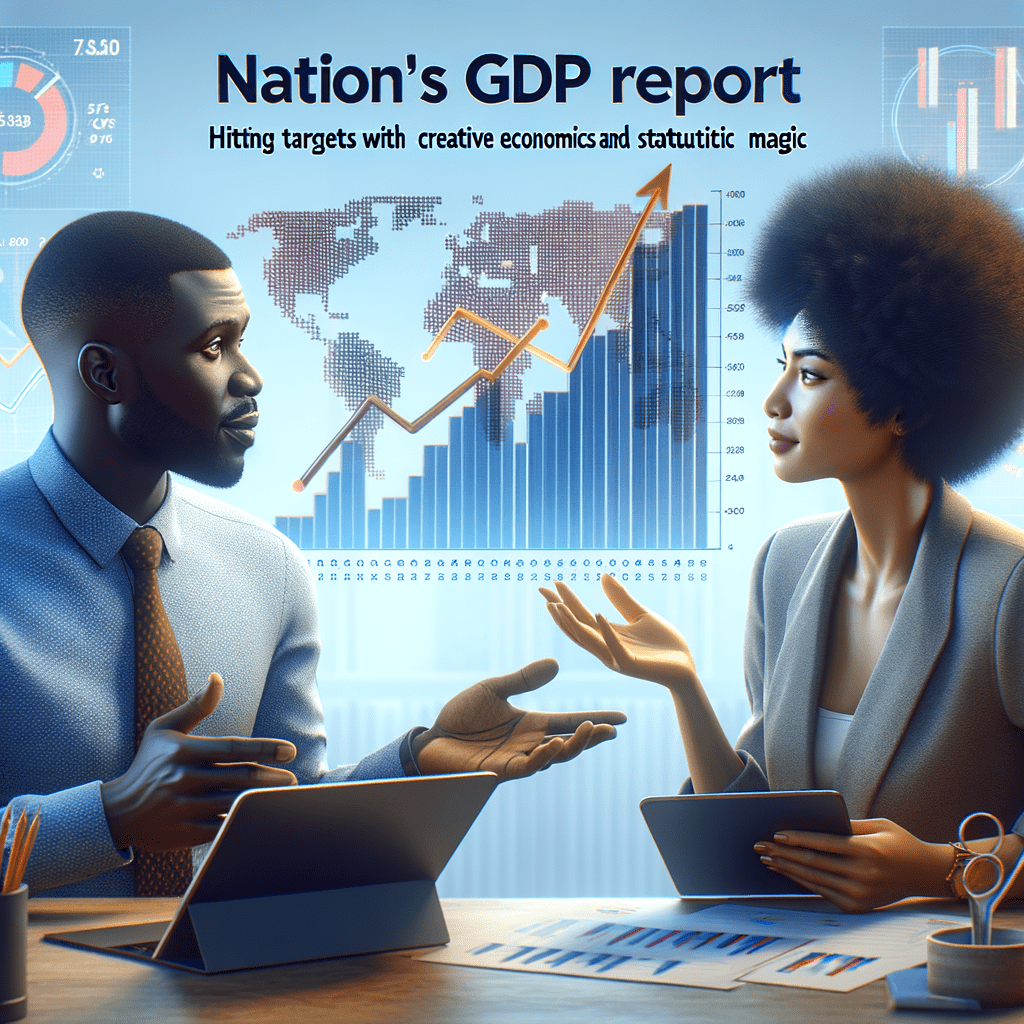
    China’s GDP Report: Hitting Targets with Creative Economics and Statistical Magic

    There’s a special kind of dread every project manager knows. It’s the end of the quarter, the bigwigs want to see the dashboard, and the metrics are stubbornly, uncooperatively… red. So you dive in, re-categorize a few expenses, count ‘user engagement’ in a very generous new way, and suddenly, you’re green. Congratulations, you’ve just engaged in a bit of creative accounting. Now, imagine doing that for the world’s second-largest economy. Welcome to the wonderful world of china economic growth data unusual methods, where hitting the 5% target feels less like an economic outcome and more like a successful software patch deployment just before the deadline.

    The Patch Notes: A Look Under the Hood

    When official GDP numbers are released and they land squarely on the government’s target with the precision of a guided missile, discerning analysts don’t just celebrate. They grab a strong coffee and start reading the source code. What they often find is a masterclass in statistical flexibility.

    • The Provincial Sum-Up Glitch: One of the longest-running features in China’s economic reporting is the curious case of the provincial math. For years, if you added up the GDP reported by all the individual provinces, the total would magically be larger than the national GDP figure. It’s like every regional office claiming they drove 110% of company sales. The central statistics bureau then acts as the system admin, running a de-duplication script to produce a more ‘harmonized’ national figure.
    • The ‘Imputed Rent’ Variable: Did you know that if you own your home, you are technically generating economic value by providing housing services to yourself? This ‘imputed rent’ is a standard part of GDP, but it’s also a wonderfully squishy number. How you calculate that value—based on market rates, construction costs, or a dartboard—can conveniently nudge the final GDP figure up or down. It’s the economic equivalent of adding `// TODO: Refactor this later` to a critical function. It works for now.
    • The Infrastructure Spending Hotfix: Facing a potential slowdown? The classic playbook involves a massive infrastructure spending spree. Build a dozen airports, a few hundred miles of high-speed rail, maybe a whole new city. Whether these projects generate long-term value is a question for another day. For this quarter’s report, the concrete is poured, the money is spent, and the GDP number goes up. It’s the ultimate brute-force solution to a complex problem.

    Why This System Glitch Matters for Global Markets

    So, what’s the harm in a little creative data presentation? The issue isn’t the final number itself, but the signal-to-noise ratio. When official data feels more like a carefully curated press release than a raw server log, investors have to become data archeologists. They turn to alternative metrics—satellite data on port traffic, real-time pollution levels, electricity consumption—to get a real feel for the economy’s pulse. It’s like ignoring the corporate ‘About Us’ page and going straight to the network traffic logs to see what’s actually happening.

    This statistical fog introduces a layer of systemic uncertainty. Markets can price in good news and bad news, but they struggle to price in ‘maybe news.’ The real story of China’s economic growth is undoubtedly one of monumental achievement, but the reporting layer often feels like a legacy system with too many manual overrides. It reminds us that behind every clean data point is a messy, deeply human process of measurement, adjustment, and the ever-present desire to make sure the final report card gets a passing grade.

  • When Bulldozers Meet Diplomacy: A Guide to Surviving IT Decommissions

    When Bulldozers Meet Diplomacy: A Guide to Surviving IT Decommissions

    You’ve seen the email. The subject line hits with the subtlety of a dropped server rack: “ACTION REQUIRED: Decommissioning of the East Wing Legacy Platform.” Your blood runs cold. That platform, a baroque masterpiece of outdated code and questionable stability, is the only thing holding the accounting department together. To the sysadmins, it’s urban renewal. To you, it’s a demolition order for your digital home. Welcome to the delicate world of server diplomacy, where a rogue admin with root access has more destructive power than a bulldozer.

    The Players in Our Little Crisis

    Understanding the battlefield is key. In every corporate infrastructure dispute, you’ll find a familiar cast of characters:

    • The Bulldozer Brigade: These are the well-meaning folks in IT, armed with Gantt charts and a zealous belief in “progress.” They see old systems not as venerable institutions but as digital slums that must be cleared to make way for shiny new cloud-native condos. They speak a language of efficiency and security, and their solution to every problem is a fresh install.
    • The Diplomatic Corps: This is you. The project managers, department heads, and power users who actually depend on the system. You are forced to negotiate for the digital lives of your workflows, pleading your case with slide decks and strongly worded emails, trying to broker a peace treaty before your critical data ends up in an archive file.
    • The U.N.R.W.A. (Unified Network & Resource Wrangling Administration): This is the change advisory board or steering committee. They are the international observers of this conflict, ostensibly there to ensure a peaceful resolution. In reality, they are a bureaucratic black hole where action items go to die, demanding triplicate forms to justify the continued existence of a button you click three times a day.

    Why an Old Server Becomes a Hill to Die On

    The destruction of physical infrastructure is always symbolic, and the decommissioning of a server is no different. It’s not just about deleting files; it’s about erasing institutional memory. That quirky, undocumented feature the entire team relies on? Gone. The convoluted report that takes 17 steps to run but is essential for the quarterly review? Bulldozed. This isn’t just a server migration; it’s a forced relocation of your digital muscle memory. Suddenly, the fight to save an ancient database in the ‘East Jerusalem’ of your server farm feels less like a technical issue and more like a stand for your very sanity. So, the next time you get that dreaded email, remember: you’re not just saving a system. You’re a diplomat, a humanitarian, and a crisis negotiator, all before your morning coffee. Good luck.

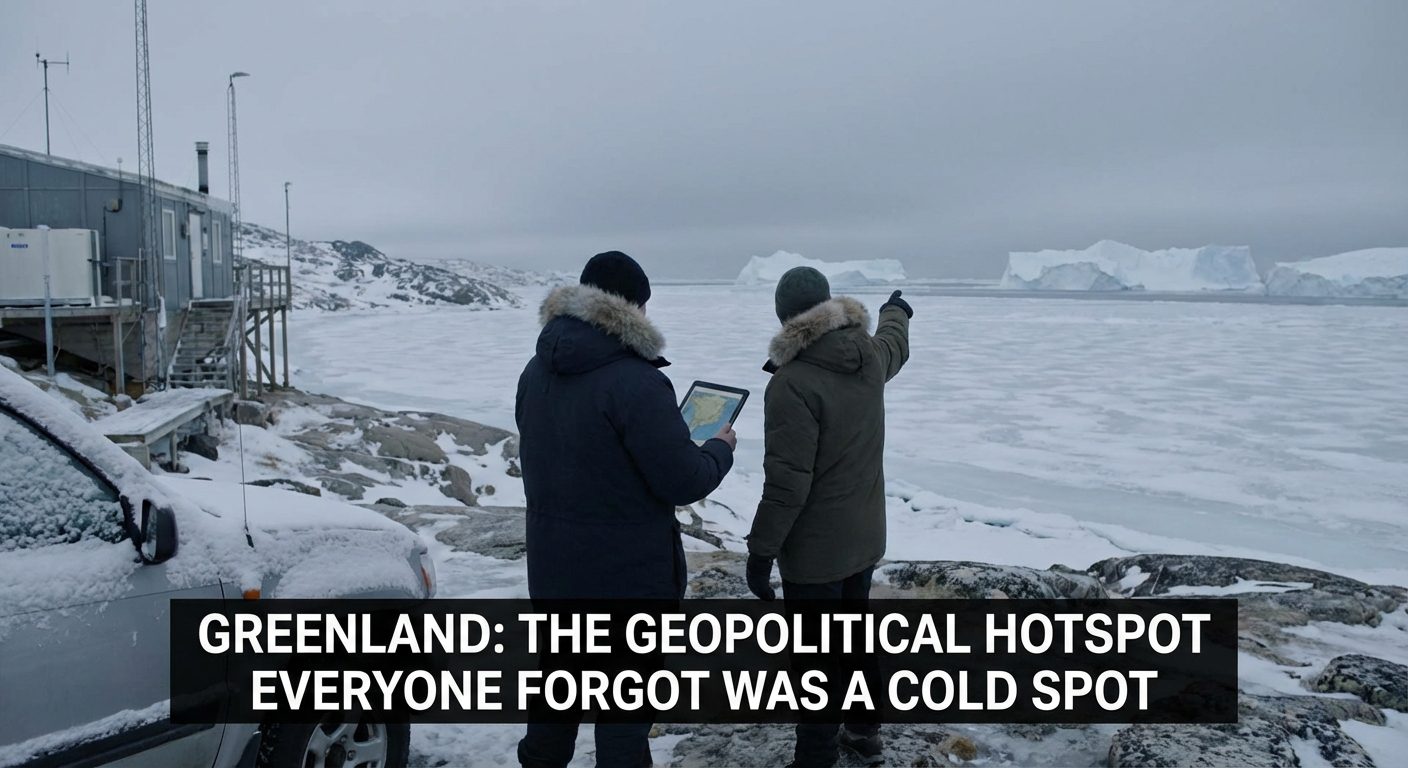
  • Greenland: The Geopolitical Hotspot Everyone Forgot Was a Cold Spot

    Greenland: The Geopolitical Hotspot Everyone Forgot Was a Cold Spot

    For most of history, Greenland was the planet’s quiet, chilly attic. You knew it was there—that giant, disconcertingly white splotch on the map—but nobody really thought about what was in it. Suddenly, every global superpower is trying to find the key. Greenland has gone from being a geographic afterthought to the most contested piece of real estate on Earth, creating a fascinating, and frankly hilarious, greenland international relations crisis that nobody saw coming.

    It’s the geopolitical equivalent of discovering the old, forgotten server in the basement is not only still running, but is secretly hosting the entire company’s critical data. And now everyone wants the admin password.

    So, Why is Everyone Suddenly Swiping Right on Greenland?

    It turns out the world’s biggest island is having a major glow-up, thanks to a convergence of factors that read like a Tom Clancy novel written by a geologist and a shipping magnate.

    • The Great Melt: Climate change, the unwelcome guest at every global party, is rapidly melting Greenland’s ice sheet. While existentially terrifying, this has a practical side effect: newly accessible shipping lanes. The fabled Northwest Passage is becoming less ‘fabled’ and more ‘a viable shipping shortcut,’ which is a huge deal for global trade. It’s like the planet’s network admin just opened up a new, faster data port.
    • A Trove of Buried Treasure: Beneath all that ice lies a treasure chest of rare earth minerals. These are the unsung heroes of your smartphone, electric car, and every other piece of modern tech. As global supply chains for these minerals become more fraught, Greenland looks like a pristine, untapped source. It’s like finding out your dusty attic is lined with solid gold.
    • Location, Location, Location: Sitting strategically between North America and Europe, Greenland is the ultimate military and scientific observation deck for the Arctic. For countries like the US, Russia, and China, having a foothold there is like having the high ground in a snowball fight, but with much higher stakes.

    A Comedy of Diplomatic Errors

    The sudden scramble for influence has led to some truly awkward diplomatic moments. The United States famously, and very publicly, tried to buy Greenland from Denmark in 2019, which is the international relations equivalent of trying to acquire a subsidiary by yelling at its parent company in a parking lot. Denmark’s response was, essentially, “Thanks, but it’s not for sale, and also, that’s a weird thing to ask.”

    Meanwhile, China has been playing the long game, offering to build airports and fund research under its “Polar Silk Road” initiative. This is the classic “I’m just here to help you optimize your infrastructure” approach, which makes everyone else nervously check their system permissions. And Russia? They’re just beefing up their longstanding military presence, like the old building superintendent who’s seen it all and reminds everyone that they were here first.

    The Real System Update

    This whole situation isn’t just about a chilly island. The Greenland international relations crisis is a perfect microcosm of our shifting global order. The old rules don’t apply. Power isn’t just about armies anymore; it’s about resources, shipping lanes, and strategic geography. And smaller players, like Greenland itself—which is pushing for more autonomy—are realizing they hold some seriously powerful cards. They’ve gone from being a line item in Denmark’s budget to a major stakeholder, and they’re ready to negotiate. The forgotten server is now aware of its own importance, and it’s demanding a system-wide update.