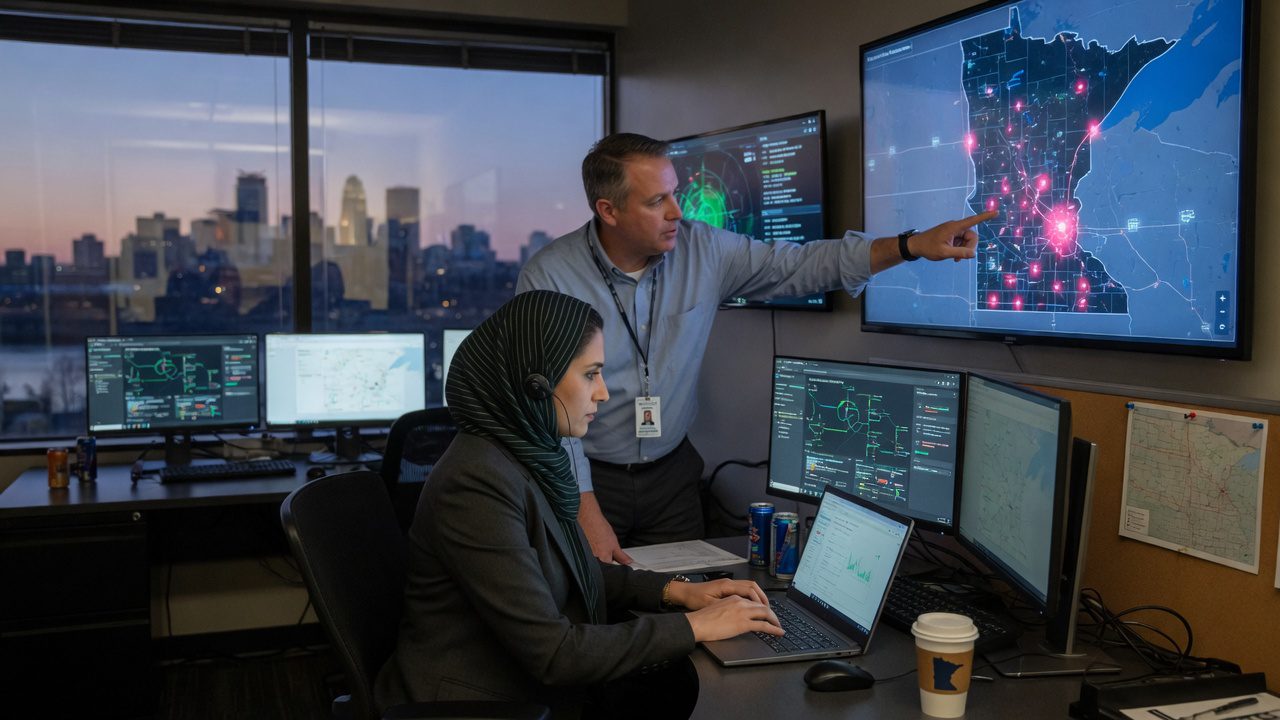
Nation-state cyber operations from actors such as Iran are increasingly intersecting with longstanding issues in local utility management, including outdated software and insufficient modernization of industrial control systems. The reported targeting of Minnesota water systems illustrates how global geopolitical tensions can ripple into everyday infrastructure operations, potentially affecting service continuity for residents and businesses alike.
Technical Vulnerabilities In Water Utility Systems
Many municipal water facilities continue to rely on legacy SCADA platforms and unpatched industrial control software that lack modern segmentation or encryption standards. These environments often operate with minimal network monitoring, creating entry points for sophisticated intrusion techniques commonly associated with state-sponsored campaigns. Integration gaps between operational technology and newer IT networks further compound exposure, allowing lateral movement once initial access is achieved.
Impact On Data Centers And Cloud Connectivity
While water systems themselves are not cloud-native, their monitoring and billing functions frequently depend on hybrid connections to regional data centers. Disruptions in these links can cascade into broader availability issues for municipal services, highlighting the need for resilient architectures that isolate critical control layers from external dependencies.
Strategic And Policy Implications
The incident underscores growing concerns among infrastructure operators about the convergence of nation-state tactics with underfunded local IT environments. Federal guidelines now emphasize supply-chain risk assessments and mandatory reporting for operational technology incidents, yet adoption at the municipal level remains uneven. Utilities must prioritize investments in zero-trust frameworks and continuous vulnerability management to reduce the attack surface presented by aging software stacks.
- Implement network segmentation between IT and OT environments
- Deploy endpoint detection tailored for industrial protocols
- Conduct regular tabletop exercises involving both cybersecurity teams and facility operators
Failure to address these foundational weaknesses risks amplifying the reach of geopolitical cyber activity into localized service disruptions with measurable economic and public-health consequences.
Leave a Reply