GOP Infighting Sends House Home Early Again: What It Means for Congress
In a recurring display of internal division, House Republicans have once again adjourned early, sending members home amid escalating infighting over leadership and legislative priorities. This latest episode underscores the challenges facing the GOP majority as it struggles to maintain unity on key issues.
The Latest Adjournment
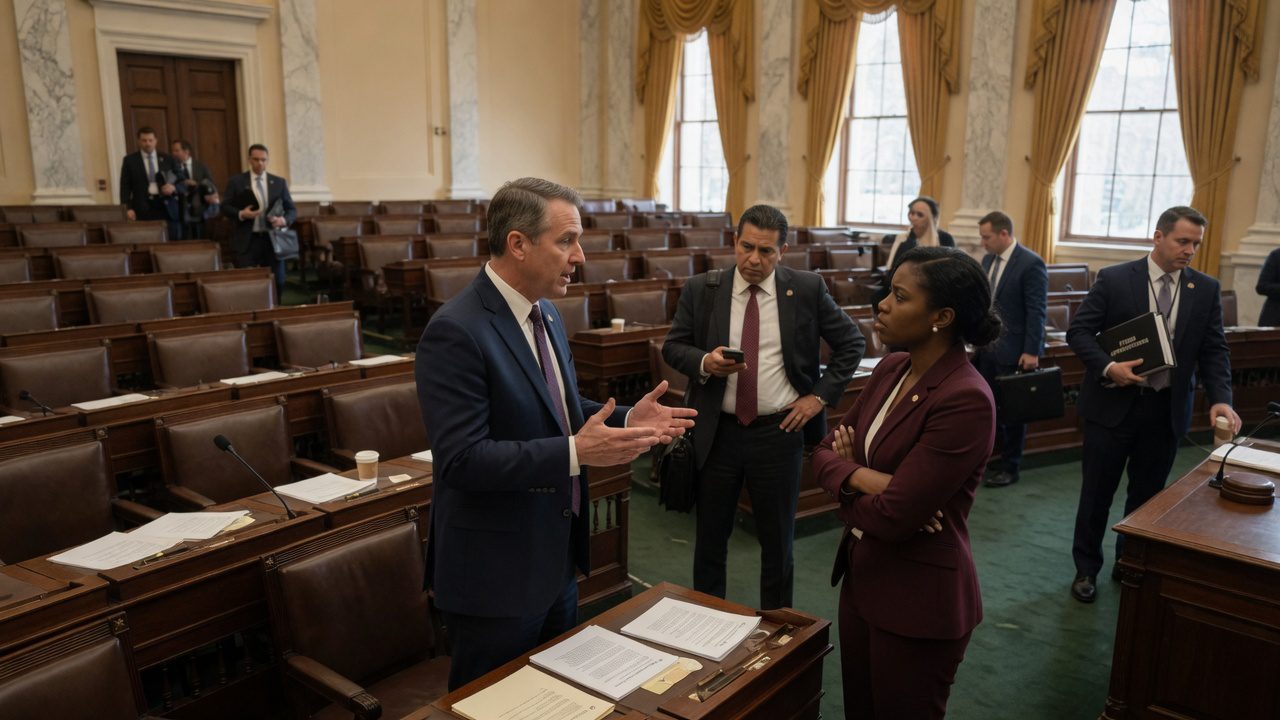
The House wrapped up its session prematurely last week after failed attempts to advance critical spending bills. Tensions boiled over during floor debates, with hardline conservatives clashing against more moderate members. Speaker Mike Johnson faced significant pushback from within his own party, leading to a swift decision to recess until after the holiday period.
Witnesses described chaotic scenes on the House floor, with raised voices and procedural delays preventing any meaningful votes. “This is becoming a pattern,” remarked one senior GOP aide who spoke on condition of anonymity. The early departure marks the third such instance this year, highlighting ongoing governance struggles.
Historical Context of GOP Divisions
Republican infighting is not new. Since reclaiming the House majority in 2022, the party has grappled with narrow margins that amplify the influence of its most conservative factions. Previous speakers, including Kevin McCarthy, fell victim to similar revolts, resulting in historic ousters and prolonged leadership vacuums.
Analysts point to ideological rifts between establishment Republicans and the Freedom Caucus as the root cause. These divisions have stalled everything from border security funding to debt ceiling negotiations. The current situation echoes events from 2023, when similar discord forced multiple adjournments and delayed essential government functions.
Impact on Key Legislation
The early recess has immediate consequences for pending bills. Appropriations measures critical to funding federal agencies now face further delays, potentially leading to shutdown threats in the new year. Tech-related legislation, including proposals for AI regulation and semiconductor investments, has been particularly affected.
Lawmakers had hoped to pass updates to the CHIPS Act framework before year’s end, but internal disagreements over regulatory oversight derailed progress. Moderate members advocated for streamlined approvals to boost domestic manufacturing, while fiscal conservatives demanded deeper cuts. Without resolution, these initiatives risk being pushed into 2025.
Broader Political Ramifications
This pattern of dysfunction weakens the GOP’s position heading into future elections. Public perception of congressional gridlock often favors Democrats in messaging campaigns. Polling data from recent surveys shows declining approval ratings for House Republicans, with independents citing frustration over repeated adjournments.
Strategists warn that continued infighting could jeopardize the party’s ability to deliver on campaign promises. “Voters expect results, not recess,” noted political commentator Sarah Kline in a recent analysis. The situation also provides ammunition for opposition narratives about Republican incompetence in governance.
Expert Perspectives
Political scientists emphasize the structural challenges of slim majorities. With only a handful of seats separating parties, any faction can wield outsized power. Reforms such as expanding the speakership’s authority or altering committee assignments have been proposed but lack consensus.
Tech policy experts add that prolonged delays hinder innovation. “Uncertainty in Washington ripples through Silicon Valley,” explained venture capitalist Marcus Hale. Bills addressing cybersecurity and data privacy remain in limbo, leaving companies navigating ambiguous regulatory environments.
Looking Ahead
As members return in January, expectations are low for swift resolutions. Leadership will need to broker compromises to avoid further disruptions. Potential paths forward include targeted negotiations on spending priorities or procedural changes to limit dissent.
The episode serves as a reminder of the fragility of divided government. For the GOP, restoring internal cohesion is essential not only for legislative success but also for maintaining electoral viability. Observers will watch closely to see if this latest early adjournment catalyzes change or simply repeats the cycle.
In the meantime, constituents and industries alike brace for continued uncertainty. The House’s inability to function effectively carries real-world costs, from delayed infrastructure projects to stalled economic initiatives. Addressing these divisions remains the paramount challenge for Republican leadership.
Leave a Reply