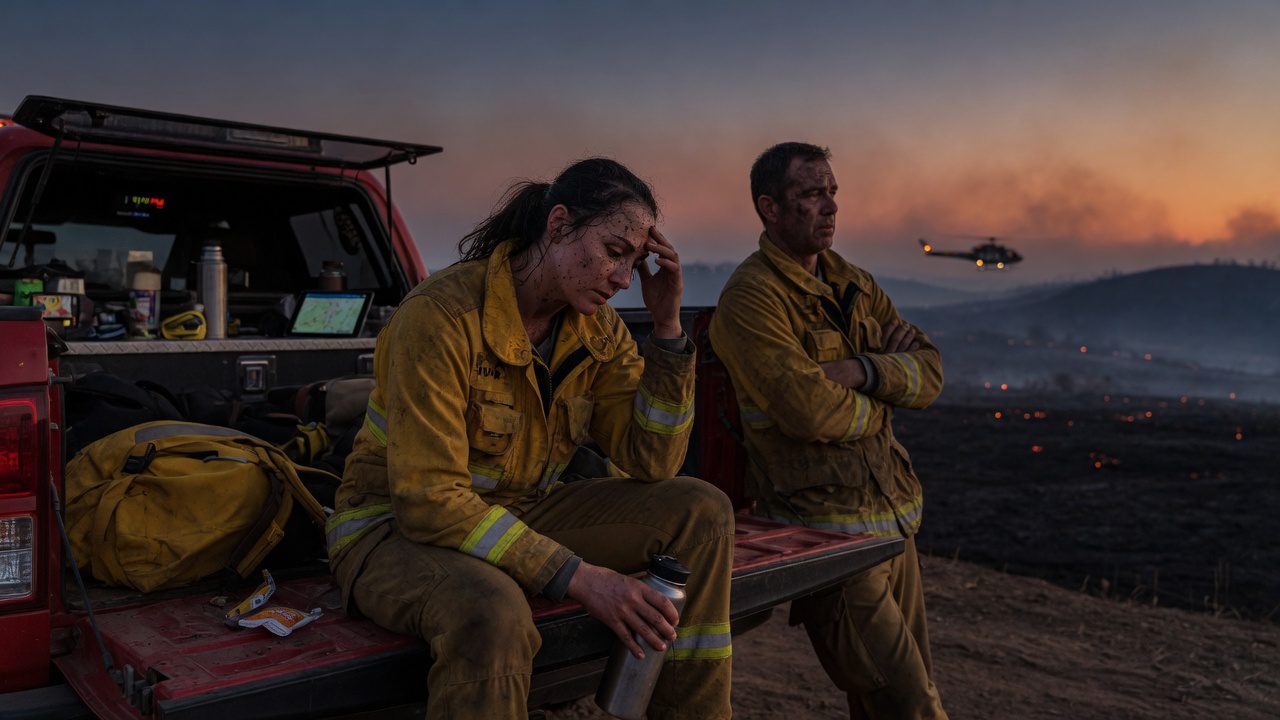
Extended overtime in high-stakes environments like wildfire response mirrors the endurance tests familiar in corporate settings, where systemic inefficiencies trap personnel in cycles of overwork that technology could otherwise interrupt. Firefighters facing 16-hour shifts during peak wildfire seasons encounter the same productivity erosion seen in office burnout, yet the consequences scale to public safety and infrastructure resilience rather than quarterly targets.
Parallels to Office Burnout in Emergency Operations
The absurd feedback loops in disaster response—where understaffed crews rely on prolonged shifts because predictive tools remain underdeployed—echo corporate patterns of reactive management. In both cases, data silos and outdated scheduling platforms prevent proactive resource allocation, turning temporary surges into chronic strain on human capital and supporting networks.
Infrastructure Gaps Amplifying Shift Fatigue
Wildfire coordination depends on fragmented communication systems and legacy data centers that lack real-time integration with satellite feeds or IoT sensor networks. These limitations force manual oversight during extended operations, increasing error rates as fatigue sets in and exposing vulnerabilities in the broader emergency infrastructure that parallels risks in cloud service outages or power grid management.
Data Analytics and Cloud Strategies for Shift Optimization
Advanced analytics platforms deployed via secure cloud environments can model crew endurance against fire spread predictions, enabling dynamic rostering that reduces reliance on 16-hour shifts. Agencies adopting such tools report measurable drops in response delays, highlighting how investment in scalable software infrastructure directly mitigates the endurance-test dynamics of wildfire fighting reality.
Policy Implications for Tech-Enabled Resilience
Regulatory frameworks must prioritize funding for interoperable systems that link meteorological data, personnel tracking, and cybersecurity protocols to safeguard against both physical burnout and digital threats during prolonged incidents. Without these upgrades, the infrastructure supporting emergency services remains as susceptible to overload as the firefighters themselves.
Leave a Reply