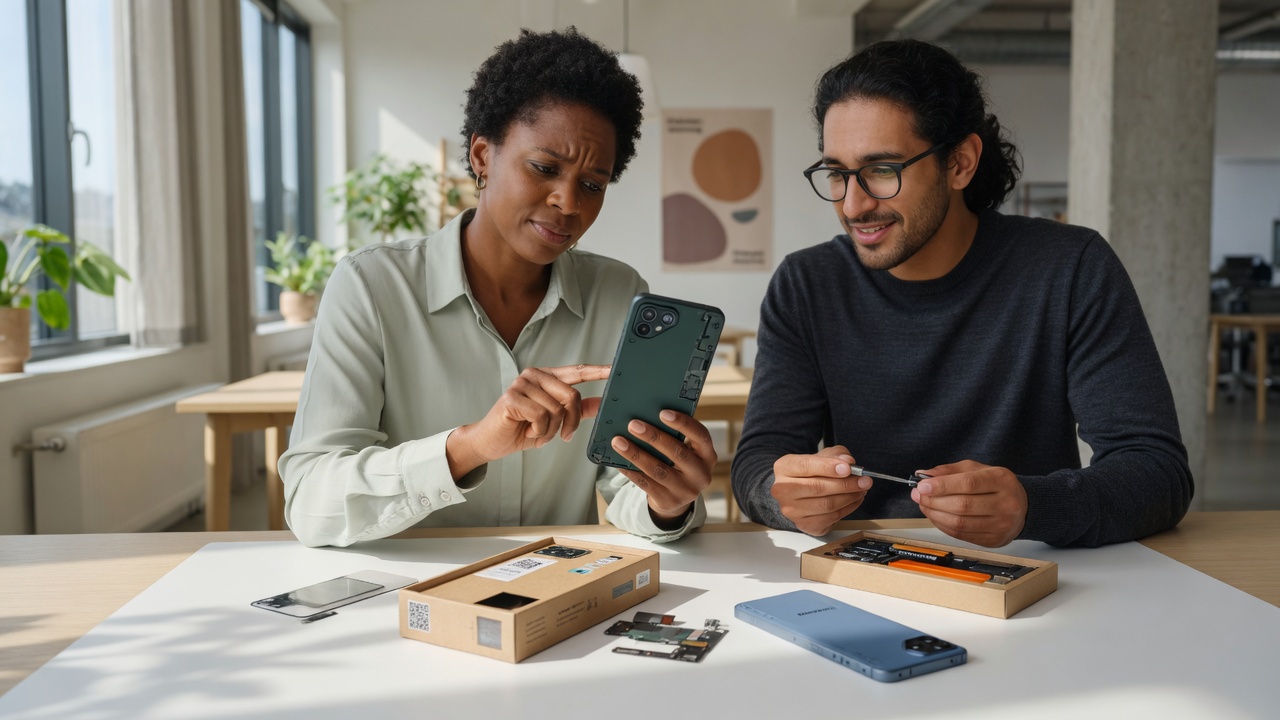
That drawer full of cracked-screen relics and half-charged power banks isn’t just clutter—it’s a monument to our collective failure at ethical tech, and the Fairphone Gen 6 sustainable repairable phone review reminds us why most of us will keep feeding the upgrade machine instead.
The Modular Dream Collides With Enterprise Infrastructure
Fairphone’s latest effort at a truly repairable handset promises modular parts, extended software support, and conflict-free minerals, yet IT departments managing fleets of devices know the real bottleneck isn’t hardware—it’s the endless cycle of security patches, MDM compliance, and cloud sync headaches that make swapping a single board feel like negotiating with a data center vendor.
Planned Obsolescence: Bureaucracy’s Favorite Feature
Right-to-repair laws keep hitting regulatory walls while manufacturers lobby for “security” excuses to lock down firmware, turning what should be a simple battery swap into a bureaucratic odyssey that leaves users staring guiltily at their overflowing junk drawers and wondering why ethical builds always feel like niche experiments.
Why The Fairphone Gen 6 Sustainable Repairable Phone Review Won’t Change Buying Habits
Data shows repairable phones capture under 1% of market share because convenience wins: seamless iOS updates, optimized apps for non-modular silicon, and the psychological pull of new-camera hype all outweigh the long-term infrastructure savings from reduced e-waste. Even sustainability-minded CIOs hesitate when vendor support timelines clash with five-year device refresh policies.
In the end, the Fairphone Gen 6 stands as a noble prototype that highlights how deeply planned obsolescence is baked into both consumer behavior and global supply chains—leaving the rest of us to quietly add another broken gadget to the drawer while promising ourselves we’ll do better next cycle.
Leave a Reply