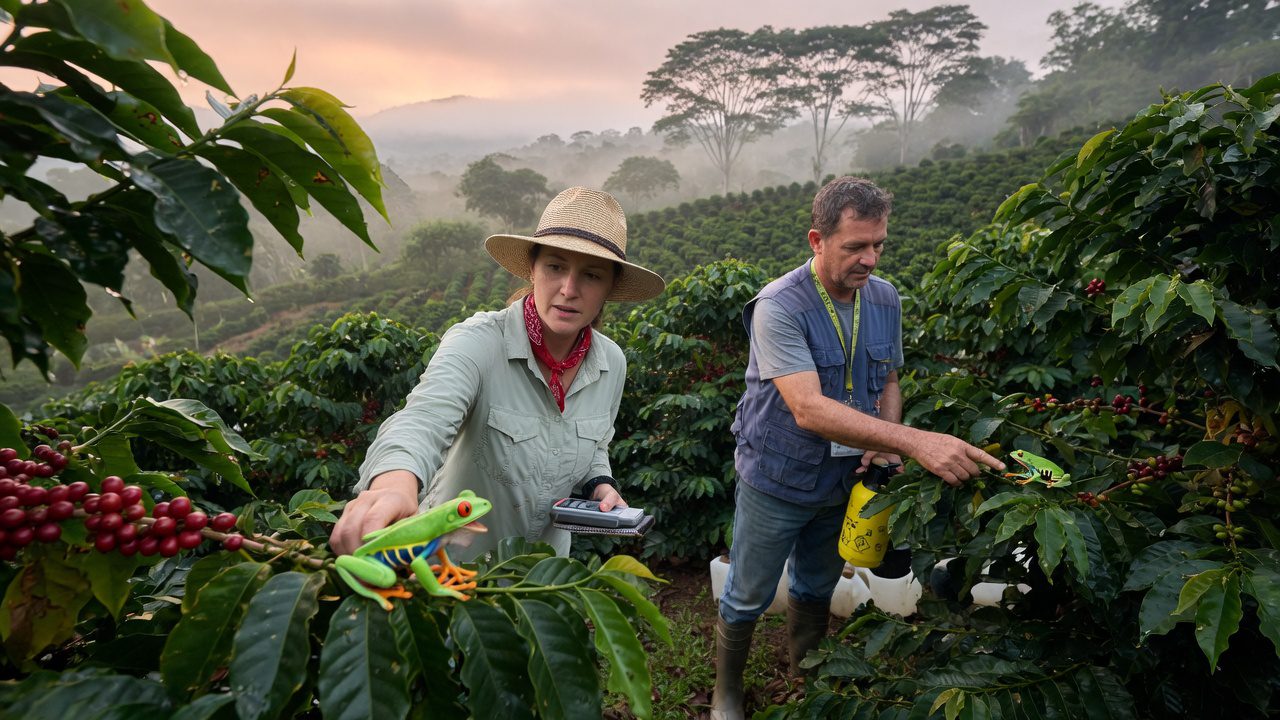
Daily coffee consumption connects consumers directly to agricultural practices in Costa Rica, where pesticide use in plantations poses measurable risks to local amphibian populations. These environmental pressures highlight the need for improved monitoring and data-driven approaches in farming operations.
The Role of Pesticides in Coffee Plantations
Pesticide application remains a standard component of coffee cultivation to manage pests and maintain yields. In Costa Rica, runoff and residue from these chemicals have been linked to declines in frog populations that inhabit plantation areas. Data collection on chemical dispersion patterns can inform more precise application methods.
Environmental Monitoring Through Technology
Internet of Things sensors deployed across farms enable real-time tracking of soil and water quality. Cloud-based platforms aggregate this information to model pesticide spread and predict impacts on biodiversity. Such infrastructure supports evidence-based adjustments to farming protocols.
Policy Implications for Agricultural Data Systems
Regulatory frameworks increasingly require traceability in supply chains. Secure data infrastructure, including encrypted storage and access controls, allows producers to document sustainable practices while meeting export standards. Cybersecurity measures protect sensitive farm data from unauthorized access during these processes.
Strategic Use of Analytics in Sustainability
Machine learning models analyze historical and current datasets to identify correlations between pesticide levels and species health. This approach assists policymakers and farm operators in developing targeted interventions that balance productivity with ecological preservation.
- Integration of satellite imagery with ground sensors improves accuracy of environmental assessments.
- Centralized databases facilitate compliance reporting for international coffee markets.
- Investment in edge computing reduces latency for on-site decision support systems.
These technological applications demonstrate how data infrastructure can mitigate the documented threats to Costa Rican wildlife while supporting the global coffee industry.
Leave a Reply