Category: Tech Policy

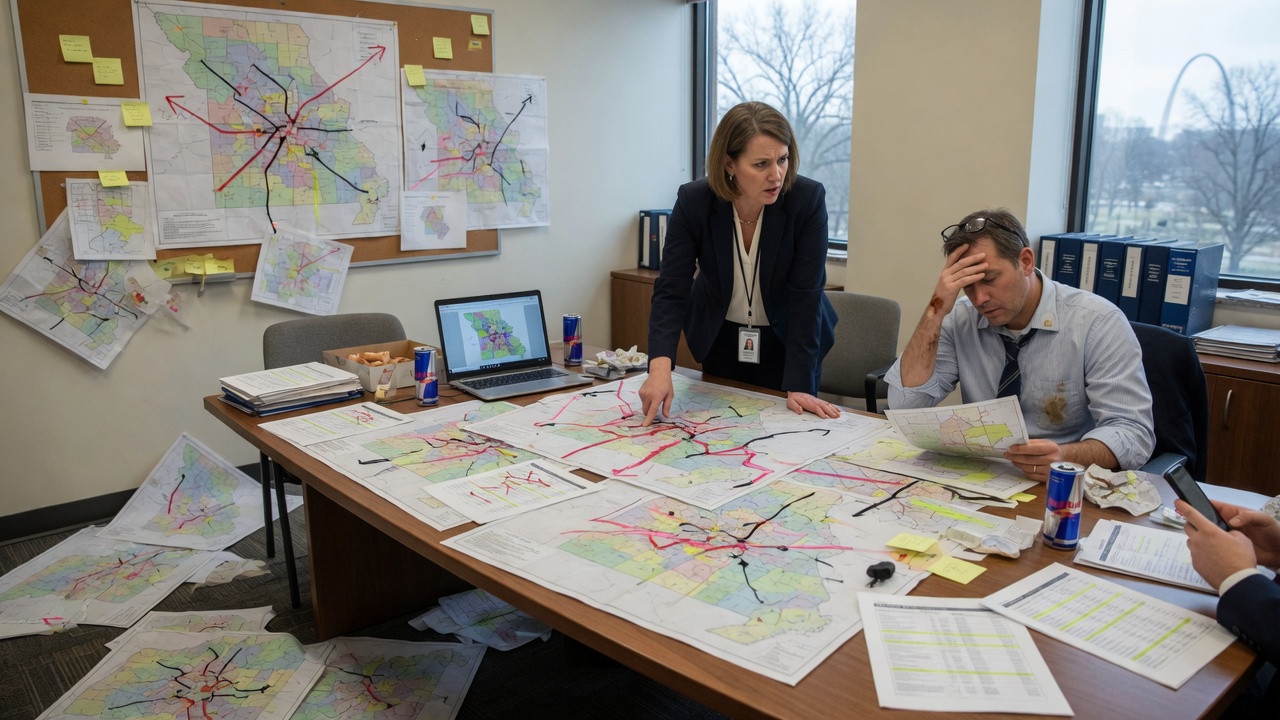
  • US National Debt 40 Trillion Impact On Everyday Life: How The $40T Clock Hits Tech And Infrastructure

    US National Debt 40 Trillion Impact On Everyday Life: How The $40T Clock Hits Tech And Infrastructure

    Picture your credit card statement climbing faster than you can say “server upgrade,” except the numbers are so big they make your maxed-out balance look like loose change from the couch. That’s the vibe with the US national debt hitting $40 trillion and adding $90,000 every second—it’s the ultimate bureaucratic spending loop that leaves everyone rolling their eyes while wondering why the tech we rely on keeps getting squeezed.

    The Debt Clock And Your Everyday Tech Reality

    At this pace, the government is essentially running a 24/7 cloud bill with no off switch, and the interest payments alone could fund entire data center campuses. For regular folks, this trickles down to slower broadband rollouts, pricier cloud services, and the nagging sense that your tax dollars are vanishing into the same endless approval cycles that delay even simple IT fixes at work.

    Bureaucratic Loops Meet Government IT Spending

    We’ve all sat through those meetings where a simple software patch requires three committees and a PowerPoint marathon. Scale that to federal levels and you get delayed cybersecurity upgrades, postponed 5G infrastructure builds, and cloud migration projects stuck in limbo while the debt ticker keeps spinning. The result? Everyday life feels the pinch through glitchy government apps, higher costs for digital services, and tech talent wondering if the next big infrastructure push will ever get funded.

    Real-World Hits To Data Centers And Cybersecurity

    • Budget squeezes mean fewer new hyperscale facilities, pushing up prices for the storage and compute power that powers your streaming, banking, and smart devices.
    • Cyber gaps widen as debt servicing eats into defensive tech investments, leaving critical infrastructure more exposed to threats that could disrupt daily routines like traffic lights or hospital records.
    • Innovation drag hits startups and enterprises alike when public-private partnerships for next-gen networks get sidelined by fiscal caution.

    It’s the digital equivalent of ignoring your own credit card minimum payments until the fees start compounding—except here the “fees” affect everything from job-creating tech projects to the reliability of the apps you use before your morning coffee.

    Bridging The Absurd Clock To Smarter Choices

    While the debt drama unfolds, the tech sector keeps delivering efficiency tools like AI-driven budgeting software and automated compliance systems that could theoretically help untangle those bureaucratic knots. The $40 trillion milestone is a reminder that infrastructure isn’t just concrete and cables—it’s the policy decisions that decide whether our digital future gets funded or just keeps racking up invisible charges.

  • Alaska Senate Race Two Dan Sullivans: When Ballot Mix-Ups Crash Like Reply-All Email Disasters

    Alaska Senate Race Two Dan Sullivans: When Ballot Mix-Ups Crash Like Reply-All Email Disasters

    Just like hitting reply-all on a family text thread and accidentally sharing your vacation photos with the entire office, Alaska’s senate race featuring two Dan Sullivans has turned voter identification into a masterclass in digital mix-up madness. This jungle primary chaos isn’t just a quirky ballot blunder—it’s a flashing warning light for election infrastructure, where duplicate names expose cracks in voter databases, software matching algorithms, and the very systems meant to keep democracy glitch-free.

    The Name Duplication Dilemma In Voting Software

    Duplicate entries have long plagued IT systems, from CRM platforms to cloud storage, and Alaska’s senate race two Dan Sullivans scenario brings that headache straight to the ballot box. Election tech relies on fuzzy matching and unique identifiers, but when two candidates share the same name, simple data entry errors can cascade into voter roll mismatches or miscounted preferences, much like how one misplaced semicolon breaks an entire script.

    Jungle Primaries Meet Cybersecurity Risks

    These open primaries amplify the issue by flooding systems with high-volume data inputs, raising red flags for potential spoofing or accidental misattribution. Without robust infrastructure upgrades—like blockchain-ledger backups or AI-driven deduplication tools—states risk turning routine votes into cybersecurity nightmares that echo the worst of enterprise email disasters.

    Everyday Tech Frustrations As Election Policy Wake-Up Calls

    Bridging this ballot farce to reply-all fiascos and group chat pandemonium highlights a bigger truth: poor identity management isn’t limited to your inbox. It demands policy shifts toward standardized data protocols and better integration between state voting platforms, ensuring that name collisions don’t derail outcomes or erode public trust in digital democracy.

    In the end, Alaska’s senate race two Dan Sullivans mess serves as a sarcastic reminder that upgrading election infrastructure isn’t optional—it’s the difference between smooth sailing and a statewide version of your relatives arguing over the wrong pizza order.

  • Chatgpt For Teens Openai Safety Features: AI Safety Or Digital Babysitter In The Parental Controls Arms Race

    Chatgpt For Teens Openai Safety Features: AI Safety Or Digital Babysitter In The Parental Controls Arms Race

    Launching chatgpt for teens openai safety features feels like OpenAI handing teens a shiny new cloud-based confidant while parents scramble to patch the digital fences, only for the inevitable cat-and-mouse game to expose how infrastructure-level AI still cannot replace actual human conversations.

    The Data Center Backbone Behind Teen-Targeted AI

    Behind every filtered response sits massive GPU clusters and low-latency edge nodes that must now juggle emotional-support queries alongside enterprise workloads, raising fresh questions about data residency, encryption at rest, and whether teen conversation logs are just another revenue stream for hyperscalers.

    Parental Controls Meet Teen Ingenuity

    History shows that every router-level content filter eventually meets a determined 14-year-old with a VPN and a burner account; the same pattern is emerging with chatgpt for teens openai safety features as users test prompt jailbreaks faster than safety teams can patch them.

    Cybersecurity Risks When AI Plays Therapist

    Storing sensitive emotional data in shared cloud environments invites both nation-state snooping and simple misconfiguration leaks, turning what marketers call “safe AI” into a potential honeypot for personal information that no amount of content moderation can fully sanitize.

    Policy Implications For Infrastructure Providers

    Regulators are already eyeing age-gated AI access the way they once eyed social media, which means data-center operators may soon face compliance mandates around logging, retention, and real-time human escalation that could reshape how inference workloads are architected.

    In the end, no amount of safety scaffolding inside large language models will outsmart the simple truth that teens still need actual humans on the other end of the conversation, not just another cleverly containerized chatbot running in someone else’s data center.

  • Two Dan Sullivans Alaska Senate Primary: Duplicate Names Expose Election Tech Weaknesses

    Two Dan Sullivans Alaska Senate Primary: Duplicate Names Expose Election Tech Weaknesses

    Imagine showing up to the wrong doctor’s appointment because the scheduling system couldn’t distinguish between two patients with the same name. That’s the relatable comedy of bureaucratic mix-ups now hitting Alaska’s senate primary, where two Dan Sullivans create redistricting headaches that mirror the data collisions plaguing election software and voter databases nationwide.

    The Name Collision Problem In Voting Infrastructure

    Alaska’s primary race highlights a classic IT headache: legacy systems built for unique identifiers struggle when real-world names overlap. Voter rolls, redistricting tools, and ballot-tracking platforms often rely on fuzzy matching algorithms that falter on duplicates, leading to misallocated resources or confused constituents. It’s like a cloud database without proper deduplication logic—suddenly your “Dan Sullivan” query returns chaos instead of clarity.

    Real-World Impact On Data Integrity

    Election officials scrambling to separate the two candidates reveal broader strategy gaps in tech infrastructure. Poor name-handling can cascade into cybersecurity risks, such as spoofed records or delayed audits, while policy shifts toward better API integrations could prevent these mix-ups. The cost? Wasted hours and eroded public trust in systems already stretched thin.

    Lessons For Modern Election Data Systems

    • Implement stronger unique ID frameworks beyond simple name fields to avoid primary-level confusion.
    • Adopt cloud-based deduplication tools that scale with redistricting demands.
    • Train staff on data hygiene practices that treat names like the unreliable keys they are.

    In short, Alaska’s two Dan Sullivans serve as a lighthearted warning: fix the backend now, or prepare for more appointment mix-ups at the ballot box.

  • Instagram Meta Glasses Creepy Videos Still Online: Why The Crackdown Flopped

    Instagram Meta Glasses Creepy Videos Still Online: Why The Crackdown Flopped

    Remember when Meta promised to purge creepy videos from Meta Glasses straight off Instagram? That vow lasted about as long as a cloud instance during a DDoS spike—roughly one month before the same questionable footage started flooding back into feeds. This is the classic tech bureaucracy loop in action, where big moderation announcements meet the harsh reality of overloaded review pipelines and under-scaled infrastructure.

    The Moderation Promise Meets Infrastructure Reality

    Meta rolled out its crackdown with fanfare, claiming advanced AI classifiers running across its data centers would flag and remove intrusive footage captured by the glasses. Yet instagram meta glasses creepy videos still online remain discoverable, proving that even hyperscale video processing farms struggle with context-heavy content. The systems choke on edge cases like “is this a public street or a targeted creep shot?” leaving human reviewers buried in queues that scale slower than AWS spot instances during peak demand.

    Why The Filters Keep Failing

    Content moderation at Meta relies on a hybrid stack of machine learning models trained on massive datasets stored in regional data centers, followed by escalation to human teams. The problem? These pipelines were never built for the volume or nuance of always-on wearable cameras. When the AI misclassifies a video as harmless, it bypasses the review layer entirely, and appeals processes turn into endless loops that frustrate users and moderators alike.

    • Scalability gaps in real-time video analysis infrastructure
    • Inconsistent policy enforcement across global moderation centers
    • Over-reliance on reactive flagging instead of proactive edge detection

    The Humorous Tech Bureaucracy Loop

    It’s the same story every platform tells: announce a purge, watch the metrics improve for 30 days, then quietly watch the creep content creep back in as review teams hit burnout and automated systems get tuned down to reduce false positives. Meta’s glasses ecosystem simply exposed the gap between cloud-scale ambitions and the messy human layer that still powers most policy decisions.

    In the end, until Meta rebuilds its moderation infrastructure with better context-aware models and transparent escalation paths, instagram meta glasses creepy videos still online will keep proving that infrastructure promises often outpace operational reality.

  • Why Polls Missed Wisconsin Primary Explained: When Forecasts Fail Like Your Weather App

    Why Polls Missed Wisconsin Primary Explained: When Forecasts Fail Like Your Weather App

    Ever checked your weather app for sunshine only to get drenched in a surprise storm? That same frustrating gap between prediction and reality struck again when polls missed Wisconsin, leaving analysts scratching their heads and data teams wondering where their models went wrong.

    The Data Infrastructure Behind The Miss

    Election forecasting relies on massive data pipelines, cloud-based analytics platforms, and machine learning models that crunch everything from turnout stats to demographic shifts. When these systems falter, it’s often because the underlying infrastructure can’t handle real-time variables like last-minute voter swings or incomplete datasets from rural areas.

    Algorithmic Blind Spots And Sampling Errors

    Think of polling software as an overconfident weather model trained on yesterday’s skies. In Wisconsin, issues like outdated sampling methods and insufficient integration with mobile voter data streams created blind spots. Tech teams building these tools often overlook edge cases in infrastructure, leading to predictions that crumble faster than a buggy app update.

    Real-World Impact On Tech Policy

    These repeated misses highlight the need for better cybersecurity in polling data and more robust cloud architectures for election analytics. Without upgrades, campaigns and policymakers risk making decisions on shaky foundations, much like relying on a free weather widget instead of enterprise-grade forecasting tools.

    • Improved data validation pipelines could reduce errors by cross-checking multiple sources.
    • Investment in scalable infrastructure helps models adapt to dynamic voter behavior.
    • Policy discussions around tech standards for predictions are gaining traction to avoid future flops.

    In the end, whether it’s rain or election results, better tech infrastructure beats blind faith in broken forecasts every time.

  • Homeland Security 464 Million Parked Planes Explained: The Ultimate Gadget You Forget to Unbox

    Homeland Security 464 Million Parked Planes Explained: The Ultimate Gadget You Forget to Unbox

    Ever bought a shiny new gadget only to let it gather dust in the closet? The Department of Homeland Security just scaled that mistake up to a $464 million aviation fleet that now sits parked and idle, turning a procurement win into an infrastructure facepalm. This headline-grabbing episode offers a perfect window into how government tech and infrastructure spending often follows the same loop: ambitious purchases, thin planning, and assets that never quite make it online.

    The Procurement Loop We All Recognize

    Homeland security 464 million parked planes explained starts with a classic pattern. DHS acquired specialized aircraft meant to boost border surveillance and disaster response, yet operational, maintenance, and integration hurdles left most of them grounded. Sound familiar? It is the federal version of downloading a productivity app that never moves past the welcome screen.

    Why the Planes Stay Parked

    Reports point to missing pilot training programs, absent ground-support systems, and unclear mission handoffs between agencies. In IT terms, this is like rolling out enterprise servers without budgeting for power, cooling, or the actual software licenses needed to make them useful. The result is expensive hardware idling while real operational needs go unmet.

    Tech and Infrastructure Lessons Hidden in the Hangar

    Government IT projects routinely echo this story. Agencies buy cybersecurity platforms, cloud capacity, or data-center hardware with fanfare, only to discover integration gaps, staffing shortfalls, or shifting priorities that leave the investment stranded. The $464 million parked planes become a visible reminder of invisible problems: poor lifecycle planning and weak asset-management discipline.

    • Asset visibility gaps – No one tracked utilization until the bill arrived.
    • Integration debt – Hardware arrived before the supporting networks and processes existed.
    • Budget theater – Spending looks decisive even when outcomes remain parked on the tarmac.

    Fixing the Pattern Before the Next Big Purchase

    The fix is less about planes and more about process. Agencies need the same rigor private-sector IT teams apply to unused cloud instances: continuous monitoring, sunset clauses on underused assets, and cross-functional teams that plan deployment before the purchase order is signed. Until then, homeland security 464 million parked planes explained will keep serving as a cautionary meme for every forgotten gadget in America’s digital and physical closets.

  • Count Binface Election Campaign Explained: Absurd Election Rules Meet Digital Voting Infrastructure

    Count Binface Election Campaign Explained: Absurd Election Rules Meet Digital Voting Infrastructure

    Count Binface election campaign explained reveals how a man in a bin costume running for office turns standard democratic processes into viral spectacles, much like outdated election software struggling to handle edge cases without crashing voter databases. Anyone burned out by conventional politics can relate to these absurd rules that prioritize spectacle over substance, forcing tech teams to build resilient systems around them.

    The Cost of Ballot Access In Legacy Systems

    Democratic systems often impose quirky filing requirements that transform campaigns into data entry nightmares for election commissions. When candidates like Count Binface flood the pipeline, IT infrastructure must scale to verify identities across fragmented state databases, highlighting vulnerabilities in outdated voter registration platforms that lack modern API integrations.

    Policy Implications For Cybersecurity

    These oddities expose gaps in digital safeguards, where fake or novelty entries could mask deeper threats like spoofed submissions in online portals. Election officials need robust cloud-based verification tools to prevent breaches, turning what starts as a joke into a serious call for infrastructure upgrades that protect against both pranks and targeted attacks.

    Data Strategy Behind Viral Campaigns

    Campaigns leveraging absurd personas thrive on social media algorithms, amassing engagement metrics that traditional candidates envy. This forces political tech platforms to refine their analytics engines, ensuring real-time data processing can distinguish genuine voter interest from meme-driven spikes without overwhelming backend servers.

    • Scalable cloud storage for ballooning candidate lists
    • Automated compliance checks to reduce manual reviews
    • Enhanced reporting dashboards for transparency in results tallying

    Ultimately, embracing these eccentric runs pushes the industry toward smarter, more adaptive election technology that could streamline everything from registration to results, sparing voters the fatigue of endless bureaucratic theater.

  • University Of Michigan Pass Fail Freshmen Explained: Schools Keep Patching Legacy Grading Systems

    University Of Michigan Pass Fail Freshmen Explained: Schools Keep Patching Legacy Grading Systems

    Remember those endless all-nighters fueled by bad coffee and worse policy tweaks? The University of Michigan’s move to let freshmen go pass/fail is just the latest bureaucratic patch in a never-ending loop of trying to debug student stress without ever refactoring the whole system.

    Why Michigan Is Flipping The Switch On Freshman Grading

    Starting this fall, first-year students at Michigan can opt for a pass/fail setup in many courses, ditching the traditional A-through-F infrastructure that has powered academic anxiety since the days of punch cards. It’s framed as stress relief, but it feels suspiciously like IT departments rolling out yet another update that promises to fix everything while creating new support tickets.

    The Policy Loop Every Parent And Grad Knows Too Well

    Schools keep circling the same track: add counseling apps, tweak deadlines, then tinker with grading scales when the real issue is the underlying data model of constant evaluation. Michigan’s freshman fix pokes fun at this by treating grades like outdated on-prem servers that nobody wants to migrate, even though everyone complains about the downtime they cause to mental health.

    Tech And Data Infrastructure Implications

    From an IT perspective, moving to pass/fail simplifies the student performance database, reducing the granularity that feeds into analytics dashboards, recommendation engines, and even scholarship algorithms. Less granular data means fewer fields to secure, potentially lowering the attack surface for breaches, but it also breaks legacy reporting tools that assume fine-tuned GPA inputs for everything from admissions to employer portals.

    • Cloud-based learning platforms may need schema updates to handle binary outcomes instead of weighted scores.
    • Data centers running education software could see lighter query loads, freeing cycles for actual teaching tools rather than stress-tracking metrics.
    • Policy shifts like this highlight how universities treat academic records as critical infrastructure that resists change until user complaints hit critical mass.

    Real-World Impact On Students And The Industry

    Graduates entering tech will recognize the pattern: another well-intentioned policy that trades detailed feedback for reduced cognitive load, much like switching from on-prem monitoring to simplified SaaS alerts. It eases freshman year pressure but risks leaving gaps in the data that grad schools and employers rely on, forcing everyone downstream to build workarounds. In the end, Michigan’s experiment proves that sometimes the quickest fix for a bloated system is just turning the complexity dial down to pass or fail.

  • NYC Pied A Terre Tax Judge Ruling Explained: Bureaucratic Tax Glitch Or Legacy System Failure?

    NYC Pied A Terre Tax Judge Ruling Explained: Bureaucratic Tax Glitch Or Legacy System Failure?

    NYC’s attempt to roll out a second-home tax has crashed harder than a poorly tested government database update, spawning lawsuits and legal loops that feel all too familiar to anyone who’s fought confusing property tax notices. Much like a botched cloud migration, the so-called pied-à-terre levy hit immediate resistance, leaving analysts wondering if the real issue is outdated tax infrastructure rather than clever policy design.

    The Judge Ruling Unpacked

    In a move that screams “runtime error,” a judge blocked the tax, citing implementation flaws that echo the classic government IT rollout: overpromising revenue while underdelivering on clear data rules. Property owners now face the same overpayment headaches as users stuck in a buggy billing system, with the ruling highlighting how legacy assessment software struggles to handle nuanced ownership data across multiple residences.

    Tech Debt In Tax Policy Infrastructure

    Government tax systems often run on decades-old mainframes that make modern cybersecurity look cutting-edge. This NYC debacle shows the infrastructure cost of not modernizing: instead of seamless API integrations for property records, officials end up in court defending half-baked rules. The comedy peaks when you realize these glitches don’t just waste money—they create feedback loops of appeals that mimic infinite server retries.

    Real-World Impact On Data Strategy

    • Outdated databases can’t track pied-à-terre ownership without manual patches, inflating administrative overhead.
    • Policy shifts like this one force cities to confront their tech debt before scaling similar levies elsewhere.
    • Property investors now treat tax compliance like penetration testing, probing for loopholes in the system.

    Ultimately, the ruling serves as a reminder that even well-intentioned taxes fail without solid digital foundations—proving once again that bureaucracy’s favorite feature is the unpatched bug.