Category: Infrastructure

  • Cyclospora Outbreak Lettuce-Gate Explained: Tracking Failures Across Global Supply Chain Infrastructure

    Cyclospora Outbreak Lettuce-Gate Explained: Tracking Failures Across Global Supply Chain Infrastructure

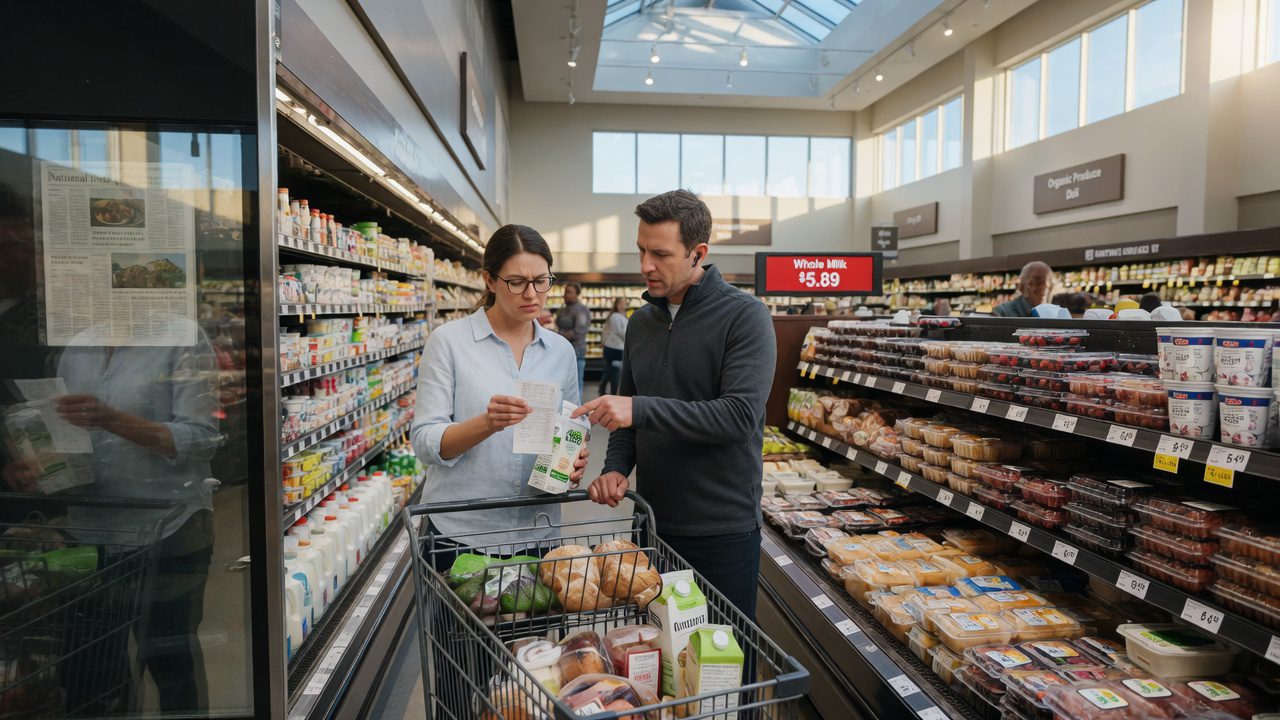
    Parasite tracking failures in global food supply chains have turned routine grocery runs into exercises in suspicion, with consumers side-eyeing every bag of produce amid recurring Cyclospora outbreaks linked to imported lettuce. These incidents highlight systemic weaknesses in the data infrastructure that underpins international agriculture logistics, where fragmented tracking systems allow contamination to evade detection until it reaches store shelves.

    Data Silos Undermine Outbreak Detection

    Modern supply chains rely on distributed networks of sensors, enterprise resource planning platforms, and third-party logistics databases, yet interoperability remains limited. When a Cyclospora contamination event occurs, delays in data aggregation across borders prevent timely alerts from reaching retailers and regulators. This infrastructure gap transforms isolated farm-level issues into widespread public health events, eroding trust in the very systems designed to ensure food safety.

    Policy Implications for Digital Traceability

    Governments and industry bodies are now evaluating mandates for standardized data protocols in perishable goods transport. Without unified APIs and secure cloud repositories, efforts to implement end-to-end visibility stall, leaving supply chain participants reliant on manual reporting that proves inadequate during fast-moving outbreaks. Enhanced cybersecurity measures for agricultural IoT devices also emerge as a priority to prevent tampering that could mask contamination signals.

    Strategic Investments in Infrastructure Resilience

    Leading technology providers are piloting blockchain-based ledgers and real-time analytics platforms to close these gaps. Such deployments demand substantial upgrades to data center capacity and edge computing resources positioned along major import corridors. Organizations that prioritize these investments reduce exposure to regulatory penalties and reputational damage while improving overall supply chain efficiency.

    • Integration of machine learning models for anomaly detection in shipment temperature and handling logs.
    • Expansion of secure data-sharing frameworks among producers, shippers, and health authorities.
    • Development of policy incentives for adopting interoperable traceability standards.

    The long-term impact hinges on coordinated action across the IT and agricultural sectors to build infrastructure capable of supporting granular, tamper-resistant tracking at global scale.

  • Why Europe Is Adopting Air Conditioning Trends Amid Heatwaves and Bureaucratic Delays

    Why Europe Is Adopting Air Conditioning Trends Amid Heatwaves and Bureaucratic Delays

    As Europe experiences more intense heatwaves, residents and businesses face mounting challenges in adopting air conditioning, from lengthy permit processes to unexpected energy costs that strain both households and critical infrastructure like data centers.

    The Surge in Cooling Demand and Its Tech Implications

    Record temperatures are driving why Europe is adopting air conditioning trends at an accelerated pace. This shift places new pressures on power grids and digital infrastructure, where data centers must maintain precise cooling to prevent downtime and ensure cybersecurity resilience during peak loads.

    Energy Bills and Grid Stability Concerns

    Surprise spikes in electricity consumption from widespread AC installations highlight vulnerabilities in legacy energy systems. IT operators are increasingly turning to smart grid software and AI-driven load balancing to mitigate risks, yet bureaucratic approval delays for new substations slow these adaptations.

    Permits, Installation Waits, and Regulatory Friction

    Navigating local regulations often means months-long waits for installation approvals, directly affecting technology rollouts. For instance, retrofitting commercial buildings with efficient HVAC systems tied to cloud monitoring platforms requires compliance checks that intersect with data privacy rules and building codes.

    Infrastructure Strain on Data Centers

    European data centers, which support cloud services across the continent, now contend with higher ambient temperatures and rising cooling demands. This trend underscores the need for advanced liquid cooling technologies and policy reforms to streamline permitting for sustainable infrastructure upgrades.

    Strategic Responses and Future Outlook

    Industry leaders advocate for harmonized EU policies that balance environmental goals with faster deployment of energy-efficient cooling. Integrating IoT sensors and predictive analytics can reduce energy bills while addressing the infrastructure bottlenecks tied to climate-driven AC adoption.

  • SpaceX Starship Tower Catch Attempt Explained: Reusable Infrastructure Trends

    SpaceX Starship Tower Catch Attempt Explained: Reusable Infrastructure Trends

    SpaceX is advancing reusable rocket systems by proposing to catch the returning Starship booster using a specialized tower mechanism rather than traditional landing methods. This approach builds on broader trends in reusable infrastructure seen across technology sectors, where components are designed for multiple cycles to reduce costs and improve operational efficiency.

    Understanding The Tower Catch Mechanism

    The proposed system involves the Starship booster maneuvering to align with mechanical arms on the launch tower after surviving atmospheric re-entry. Sensors and autonomous control software would guide the alignment process, drawing parallels to precision automation used in data center robotics and cloud infrastructure management.

    Key Technological Components

    • Real-time flight control algorithms for descent stability
    • Structural reinforcements on both the booster and tower to handle dynamic loads
    • Integration of telemetry data streams similar to those in large-scale IT monitoring platforms

    Infrastructure Implications For The Space Sector

    Adopting tower-based recovery could reshape launch site design, emphasizing fixed ground infrastructure over dispersed landing zones. This mirrors shifts in the IT industry toward centralized, high-efficiency facilities that support repeated use while minimizing resource expenditure. Engineers must address challenges in thermal management and vibration control, areas that also impact hyperscale computing environments.

    Policy And Regulatory Considerations

    Regulatory bodies will evaluate safety protocols and failure scenarios for such recovery methods. These assessments parallel discussions in tech policy around infrastructure resilience, including cybersecurity standards for autonomous systems and environmental impact evaluations for repeated operations.

    Real-World Impact On Technology Development

    Successful implementation may accelerate innovation in reusable systems, influencing supply chains and software development for mission-critical applications. Data from test flights could inform modeling techniques applicable to predictive maintenance in cloud and data center operations, extending the reach of aerospace advancements into terrestrial IT infrastructure strategies.

  • Gordie Howe Bridge Opening Americans Stay Home Reasons Reveal Costly Bureaucracy

    Gordie Howe Bridge Opening Americans Stay Home Reasons Reveal Costly Bureaucracy

    The long-awaited Gordie Howe International Bridge between Detroit and Windsor opened with significant fanfare as a major infrastructure achievement, yet policy restrictions have quickly turned the new crossing into an underutilized asset that forces many travelers and shippers into longer, less efficient routes.

    The Bureaucracy Behind the Bridge

    Decades of cross-border negotiations, environmental reviews, and funding agreements shaped the Gordie Howe Bridge project, creating a structure designed to handle high volumes of commercial and passenger traffic. However, recent policy directives advising Americans to avoid the crossing have limited its immediate utility, highlighting how regulatory frameworks can override physical infrastructure gains.

    Implications for Technology Supply Chains

    Modern infrastructure like this bridge plays a critical role in supporting the movement of hardware components essential to data centers, semiconductor manufacturing, and cloud computing operations. Delays or detours increase logistics costs and extend delivery timelines for servers, networking equipment, and specialized electronics that rely on just-in-time North American trade flows.

    Data Center and Connectivity Impacts

    Tech companies building or expanding facilities near the border depend on reliable cross-border access for both physical goods and related services. When policy measures discourage use of a new high-capacity link, the result is added strain on older crossings already operating near capacity, potentially affecting uptime and expansion plans in the broader digital infrastructure ecosystem.

    Policy, Security, and Future Integration

    Effective border infrastructure requires coordinated digital systems for customs processing, security screening, and data sharing between agencies. The current situation underscores the need for aligned policy and technology investments to ensure new physical assets deliver their intended economic and operational benefits rather than becoming symbols of fragmented strategy.

  • Ukraine Drones Attack Wildberries Retailer: War Disrupts E-Commerce Infrastructure

    Ukraine Drones Attack Wildberries Retailer: War Disrupts E-Commerce Infrastructure

    Recent reports of Ukraine drones attack Wildberries retailer facilities illustrate how modern conflict can suddenly interrupt the same-day delivery services and routine online shopping that many consumers rely upon for household essentials.

    The Technology Driving Retail Logistics

    E-commerce platforms like Wildberries depend on sophisticated software systems for inventory management, route optimization, and warehouse automation. These tools integrate cloud computing resources and real-time data analytics to meet customer expectations for fast fulfillment. Disruptions from drone strikes can halt these interconnected systems, affecting supply chains that span multiple data centers and third-party logistics providers.

    Cloud And Data Center Implications

    Retail operations increasingly store customer data, transaction records, and predictive algorithms in distributed cloud environments. When physical infrastructure faces attacks, companies must activate contingency plans that include redundant servers and failover protocols. This situation underscores the vulnerability of digital supply chains to geopolitical events, prompting IT teams to reassess disaster recovery strategies.

    Policy And Security Considerations

    Governments and technology firms are examining how cybersecurity measures can protect critical retail infrastructure during conflicts. Enhanced monitoring of network traffic and secure communication channels between warehouses become essential to maintain operations. Such incidents may influence future regulations on data protection and infrastructure resilience in regions experiencing instability.

    • Integration of satellite-based tracking for alternative delivery routes
    • Adoption of edge computing to reduce reliance on centralized data centers
    • Development of AI-driven risk assessment tools for logistics planning

    These developments highlight the growing intersection between warfare, technology infrastructure, and everyday consumer services.

  • Australian Identical Quadruplets Birth Explained: Fertility Technology and Healthcare Infrastructure

    Australian Identical Quadruplets Birth Explained: Fertility Technology and Healthcare Infrastructure

    Tying modern fertility advances to this rare event, the birth of identical quadruplets in Australia highlights the intersection of medical technology and complex new-parent challenges, including managing sleep patterns and individual identification for four genetically identical infants.

    Role of Assisted Reproductive Technologies

    Advances in in vitro fertilization and embryo monitoring systems have increased the likelihood of multiple births, with data analytics playing a key role in tracking embryo development. These technologies rely on sophisticated laboratory information management systems to ensure precision in procedures that lead to such statistically uncommon outcomes.

    Data Management Challenges in Rare Medical Cases

    Healthcare providers must handle extensive genetic and medical datasets for identical multiples, requiring robust electronic health record platforms and secure data storage solutions. This case illustrates the need for scalable infrastructure to support detailed monitoring without compromising patient privacy.

    Cybersecurity Implications

    With increased volumes of sensitive biometric information generated during such births, organizations face heightened demands on cybersecurity protocols to protect against data breaches in hospital networks and cloud-based medical repositories.

    Strategic Impact on Health IT Systems

    Policy discussions around fertility care now emphasize investments in cloud computing and real-time analytics to better prepare medical facilities for high-resource scenarios. These developments influence broader strategies in data center capacity planning and interoperability standards across the IT industry.

  • Motorola Tablet 9 JBL Speakers Review Overkill Explained: Audio Escalation And Infrastructure Impact

    Motorola Tablet 9 JBL Speakers Review Overkill Explained: Audio Escalation And Infrastructure Impact

    Consumer frustration with tinny device audio has driven manufacturers into an engineering cycle that produces tablets equipped with more speakers than many residential home theaters. The Motorola tablet featuring nine JBL speakers exemplifies this trend, raising questions about resource allocation in hardware design and its downstream effects on IT infrastructure.

    Audio Hardware Expansion And Processing Demands

    Integrating nine dedicated speakers requires advanced digital signal processing and additional amplification circuitry. These components increase computational overhead, which in turn influences power management frameworks used across enterprise device fleets. Organizations managing large-scale tablet deployments must now account for higher energy draw when planning data center capacity and device refresh cycles.

    Software Optimization Challenges

    Device firmware must coordinate multiple audio channels while maintaining thermal stability and battery efficiency. This complexity adds layers to operating system updates and security patching processes, directly affecting IT teams responsible for endpoint management and compliance.

    Infrastructure And Resource Implications

    High-fidelity multi-speaker configurations encourage greater consumption of high-bitrate audio streams. This shift places additional load on content delivery networks and cloud storage systems that serve media to mobile endpoints. Procurement strategies in both consumer and enterprise environments therefore intersect with broader questions of network bandwidth allocation and data center energy usage.

    • Power consumption rises with each added speaker driver.
    • Audio processing chips increase device bill-of-materials costs.
    • Streaming high-resolution formats accelerates data transfer volumes.

    Strategic Considerations For Technology Decision Makers

    IT leaders evaluating devices such as the Motorola tablet should weigh audio enhancements against measurable infrastructure overhead. Over-provisioned speaker arrays illustrate how consumer hardware trends can propagate into enterprise planning, prompting reevaluation of device standards and total cost of ownership models.

  • Is My Lettuce Safe to Eat Cyclospora Outbreak Guide: How Data Infrastructure Improves Produce Safety

    Is My Lettuce Safe to Eat Cyclospora Outbreak Guide: How Data Infrastructure Improves Produce Safety

    Recurring food safety incidents involving leafy greens continue to create uncertainty for consumers navigating grocery aisles. The current Cyclospora outbreaks highlight gaps in traditional supply chain monitoring and underscore the need for robust technology infrastructure to deliver timely, accurate information on product safety.

    Tracing Contamination Through Supply Chain Systems

    Cyclospora cayetanensis spreads through contaminated produce, often linked to imported herbs and vegetables. Existing manual tracking methods struggle with the speed and scale required to isolate affected lots before they reach store shelves. Modern infrastructure solutions, including IoT sensors and centralized cloud platforms, enable continuous monitoring of temperature, humidity, and handling conditions across the distribution network.

    Blockchain for Immutable Record Keeping

    Distributed ledger technologies provide tamper-resistant documentation of each step from farm to retailer. When an outbreak occurs, investigators can query these records in minutes rather than days, reducing the window of exposure. Several major retailers now pilot such systems to meet emerging regulatory expectations for rapid traceability.

    Data Analytics Driving Early Detection

    Public health agencies increasingly rely on machine learning models trained on historical outbreak data, weather patterns, and import volumes. These models flag anomalies that may indicate elevated risk before clinical cases spike. Integration with electronic health record systems further accelerates signal detection while preserving patient privacy through federated learning approaches.

    Cybersecurity Considerations in Agricultural Networks

    As farms and processors adopt connected devices, the attack surface expands. Securing these networks against ransomware or data manipulation is essential to maintain trust in digital traceability claims. Industry standards are evolving to require encryption, access controls, and regular penetration testing for any system that influences food safety decisions.

    Policy and Infrastructure Recommendations

    Effective response requires coordinated investment in shared data platforms among federal agencies, state health departments, and private supply chain operators. Open APIs and standardized data formats would allow smaller producers to participate without prohibitive costs. Continued funding for the FDA’s New Era of Smarter Food Safety initiative remains critical to translating these technical capabilities into routine practice.

  • Texas Dance Studio Survives Another Flood Top Hats Saved As Infrastructure Resilience Becomes Critical

    Texas Dance Studio Survives Another Flood Top Hats Saved As Infrastructure Resilience Becomes Critical

    The ongoing saga of a Texas dance studio navigating repeated floods highlights a growing challenge for small businesses: protecting physical assets like costumes while infrastructure vulnerabilities tied to climate patterns intensify. In this latest incident, staff prioritized saving top hats and other items before water damage could spread, underscoring the need for proactive technology strategies that extend beyond immediate physical recovery.

    Climate Patterns And Infrastructure Strain In Texas

    Texas has experienced multiple flooding events in recent years, placing pressure on local facilities and supply chains. For dance studios and similar operations, these disruptions affect not only daily operations but also long-term planning. Data from federal infrastructure reports indicate that aging drainage systems and building codes in flood-prone regions often fail to account for increased frequency of extreme weather, creating ripple effects for businesses reliant on physical inventory.

    Shifting Priorities In Asset Protection

    While crews focus on salvaging items such as top hats during evacuations, the episode reveals an opportunity to examine digital alternatives. Small businesses can reduce reliance on vulnerable physical storage by adopting cloud-based inventory platforms that maintain accurate records and enable rapid relocation of critical data when threats emerge.

    Adopting Technology For Operational Continuity

    Beginner-level tools such as software-as-a-service inventory systems allow studios to track costumes, props, and equipment without depending solely on on-site storage. These platforms provide automated backups and remote access, ensuring that operational details remain intact even if a facility faces water damage. Integration with basic sensors for humidity and water detection further supports early alerts, helping owners respond before losses escalate.

    Lessons For Broader It And Data Infrastructure

    The Texas dance studio case illustrates parallels with larger infrastructure concerns, including data centers located in similar geographic areas. Organizations managing sensitive information must evaluate site selection, redundant power systems, and disaster-recovery protocols to avoid comparable disruptions. Policy discussions around updated building standards for technology facilities increasingly emphasize climate modeling to guide future investments.

    • Implement regular data audits to identify assets requiring off-site replication.
    • Evaluate cloud providers with multi-region availability zones for enhanced redundancy.
    • Train staff on digital tools that complement physical emergency procedures.

    These steps represent measurable strategies that small businesses and infrastructure operators can apply to mitigate risks associated with recurring environmental challenges.

  • Taco Bell Lettuce Cyclospora Parasite Outbreak What To Know: Supply Chain Infrastructure Risks

    Taco Bell Lettuce Cyclospora Parasite Outbreak What To Know: Supply Chain Infrastructure Risks

    The recent Taco Bell lettuce cyclospora parasite outbreak affecting five states underscores critical weaknesses in the digital infrastructure that manages modern food distribution networks. A single contamination event at the farm level rapidly propagated through automated ordering, inventory, and logistics systems, exposing how tightly coupled technology platforms can amplify localized agricultural failures into nationwide consumer impacts.

    Supply Chain Digitization and Single Points of Failure

    Fast-food chains increasingly rely on integrated enterprise resource planning platforms and real-time inventory management software to coordinate produce sourcing across multiple states. When a farm-level issue such as cyclospora contamination occurs, these systems often lack sufficient isolation mechanisms, allowing tainted shipments to reach distribution centers before manual or automated alerts can fully intervene. The five-state scope of the current warning illustrates the downstream effects of centralized data pipelines that prioritize speed over redundant verification layers.

    Traceability Gaps in Agricultural IoT Systems

    Many suppliers deploy IoT sensors and blockchain-based traceability tools to monitor produce from field to restaurant. However, adoption remains uneven, and interoperability standards between farm management software and major quick-service restaurant platforms are still maturing. In this outbreak, delayed data synchronization between the affected supplier and Taco Bell’s supply chain dashboard contributed to broader distribution before targeted recalls could be executed.

    Policy and Infrastructure Implications

    Food safety regulators are now examining whether mandatory digital traceability requirements should extend to all high-volume produce vendors. Enhanced requirements could include standardized APIs for contamination alerts and independent auditing of supply-chain software vendors. Such measures would reduce the probability that a localized parasite incident escalates into multi-state exposure through automated replenishment algorithms.

    • Improved data validation checkpoints at each handoff in the cold chain.
    • Redundant sensor networks capable of flagging biological anomalies before shipment.
    • Regulatory frameworks that treat supply-chain software as critical infrastructure subject to cybersecurity and integrity audits.

    Stakeholders in the IT and logistics sectors should view this event as a case study in how agricultural supply chains have become dependent on the same resilience principles applied to data centers and cloud services. Without stronger architectural safeguards, similar “farm glitch” scenarios will continue to test the limits of current food-service technology stacks.