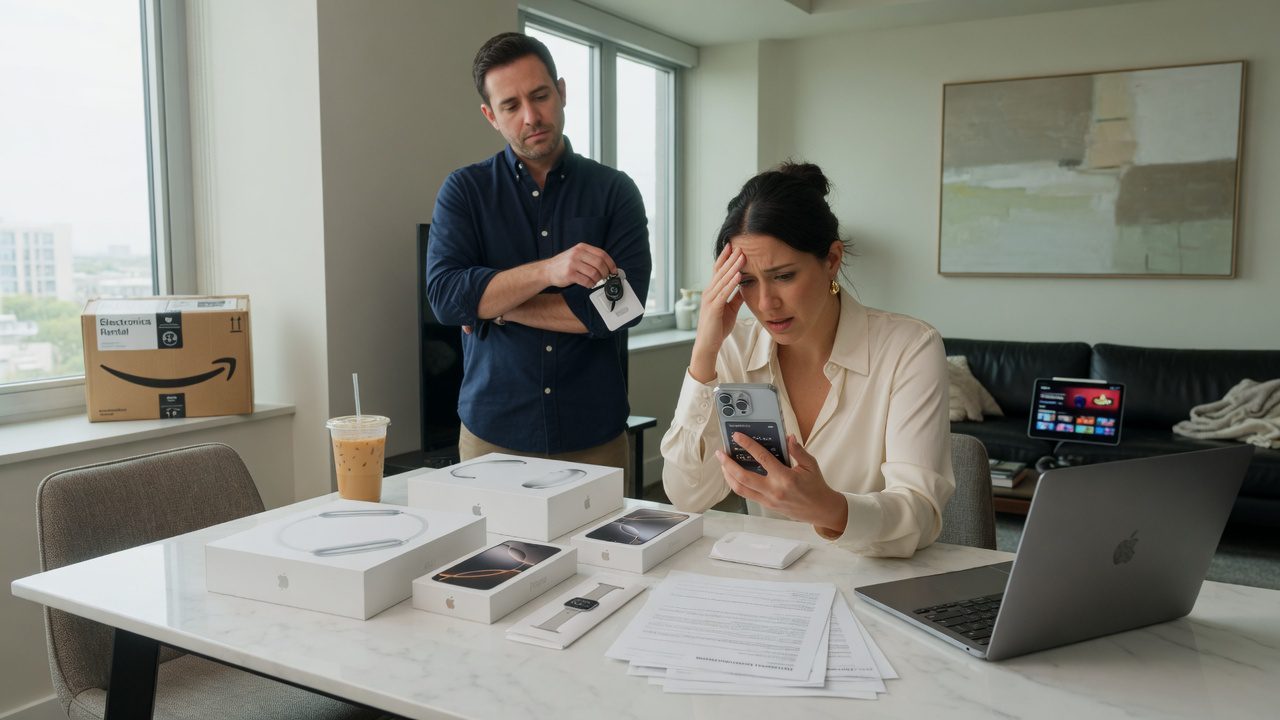
Klarna’s recent push into device leasing programs highlights a growing trend where consumers face subscription fatigue, as the absurdity of never truly owning gadgets like iPhones becomes increasingly relatable. This shift ties directly into Apple’s structured financing options, where the focus moves from outright purchases to ongoing payments that lock users into ecosystems reliant on cloud services and data infrastructure.
Apple Upgrade Program Lease Explained
The Apple Upgrade Program allows customers to finance an iPhone through monthly payments that include device insurance and the option to upgrade annually. Rather than owning the hardware outright, participants essentially rent the device, returning it to Apple at the end of each cycle. This model integrates with Apple’s broader services layer, including iCloud storage and App Store subscriptions, creating a continuous revenue stream tied to IT infrastructure demands.
Subscription Fatigue And The Move Away From Ownership
Many users report exhaustion from juggling multiple recurring payments for software, streaming, and now hardware. Klarna’s leasing approach amplifies this by offering flexible plans that mirror software-as-a-service models common in enterprise IT. The result is a market where consumers rarely accumulate assets, instead feeding into centralized data centers that power updates, backups, and security features essential for leased devices.
IT Industry Impacts On Data And Cybersecurity
Leasing arrangements encourage reliance on cloud-based management tools, where Apple maintains control over device configurations and data flows. This infrastructure dependency raises questions about long-term data ownership and cybersecurity risks, as returned devices must be securely wiped and repurposed within Apple’s supply chain. Organizations adopting similar leasing strategies for employee devices face parallel challenges in policy compliance and endpoint protection.
Strategic Implications For Tech Infrastructure
From a commercial investigation standpoint, these programs support Apple’s capital expenditure on data centers and network capabilities. By keeping devices in circulation through upgrades, the company sustains demand for bandwidth and processing resources. Beginners exploring financing options should note that total costs often exceed traditional purchases when factoring in insurance and lost equity in owned hardware.
Policy Considerations Around Digital Ownership
Tech policy discussions increasingly address how leasing models affect consumer rights in an era of digital goods. Without clear ownership, users encounter limitations on repairs, resale, and data portability. Regulatory scrutiny may grow around transparency in lease terms, particularly as they intersect with privacy laws governing cloud-stored information.
Leave a Reply