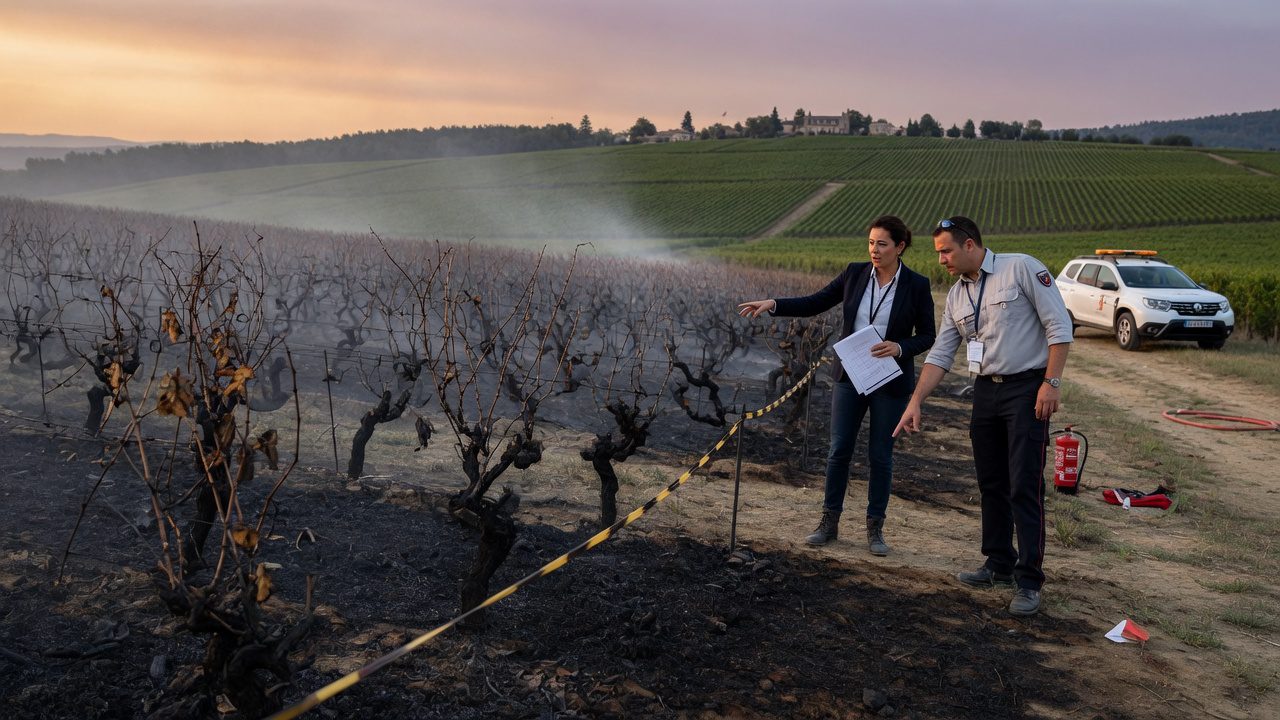
{“title”:”France Vineyard Wildfires Expose Bureaucracy Enforcement Issues in Regulatory Infrastructure”,”content”:”
Red tape preventing basic prevention turns a serious blaze into a relatable comedy about rules that exist but somehow never get followed, exposing deep fractures in France’s approach to wildfire management across its vineyards. These incidents underscore how outdated enforcement mechanisms, reliant on fragmented paper-based records and siloed government databases, fail to translate policy into action on the ground.
Regulatory Technology Gaps Fuel Enforcement Failures
Wildfire prevention rules in France require vineyard operators to maintain firebreaks and clear vegetation, yet compliance tracking often depends on manual inspections rather than integrated digital systems. This creates enforcement bottlenecks where data on violations remains trapped in local agency spreadsheets, preventing centralized oversight that modern cloud platforms could provide.
Data Silos and Compliance Monitoring
Without unified IT infrastructure for real-time reporting, authorities struggle to prioritize high-risk zones. Cybersecurity vulnerabilities in legacy systems further complicate secure data sharing between regional offices and national agencies, allowing preventable fires to escalate.
Policy Implications for Critical Infrastructure
The vineyard blazes highlight broader risks to critical infrastructure when regulatory enforcement lags behind technological capabilities. Implementing AI-driven analytics and automated compliance dashboards could bridge these gaps, reducing response times and ensuring rules translate into measurable prevention outcomes. Stakeholders in the IT sector are increasingly called upon to design scalable solutions that address bureaucracy enforcement issues at the intersection of policy and digital infrastructure.
“,”category”:”Tech Policy”}”}
Leave a Reply