Category: Tech

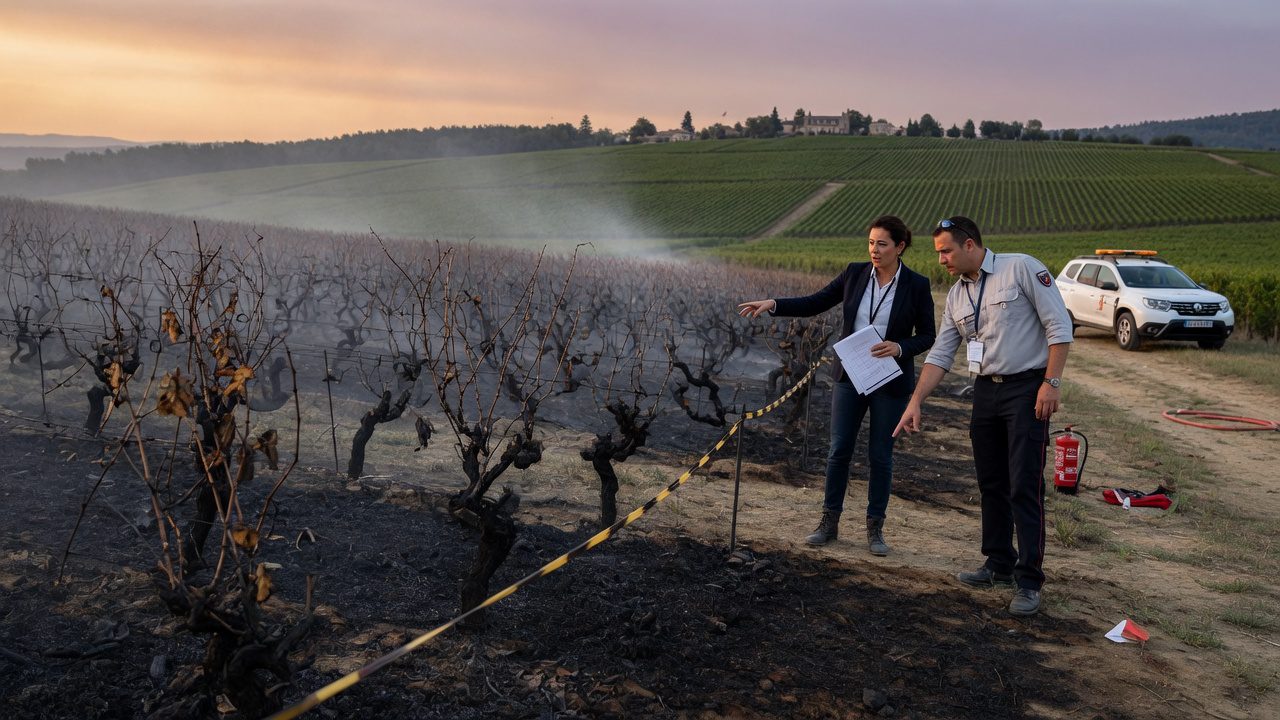
  • French Vineyard Fires Expose Wildfire Rule Enforcement Fails

    French Vineyard Fires Expose Wildfire Rule Enforcement Fails

    {“title”:”France Vineyard Wildfires Expose Bureaucracy Enforcement Issues in Regulatory Infrastructure”,”content”:”

    Red tape preventing basic prevention turns a serious blaze into a relatable comedy about rules that exist but somehow never get followed, exposing deep fractures in France’s approach to wildfire management across its vineyards. These incidents underscore how outdated enforcement mechanisms, reliant on fragmented paper-based records and siloed government databases, fail to translate policy into action on the ground.

    Regulatory Technology Gaps Fuel Enforcement Failures

    Wildfire prevention rules in France require vineyard operators to maintain firebreaks and clear vegetation, yet compliance tracking often depends on manual inspections rather than integrated digital systems. This creates enforcement bottlenecks where data on violations remains trapped in local agency spreadsheets, preventing centralized oversight that modern cloud platforms could provide.

    Data Silos and Compliance Monitoring

    Without unified IT infrastructure for real-time reporting, authorities struggle to prioritize high-risk zones. Cybersecurity vulnerabilities in legacy systems further complicate secure data sharing between regional offices and national agencies, allowing preventable fires to escalate.

    Policy Implications for Critical Infrastructure

    The vineyard blazes highlight broader risks to critical infrastructure when regulatory enforcement lags behind technological capabilities. Implementing AI-driven analytics and automated compliance dashboards could bridge these gaps, reducing response times and ensuring rules translate into measurable prevention outcomes. Stakeholders in the IT sector are increasingly called upon to design scalable solutions that address bureaucracy enforcement issues at the intersection of policy and digital infrastructure.

    “,”category”:”Tech Policy”}”}

  • Claude AI Chats Leak Into Google Results: Oops?

    Claude AI Chats Leak Into Google Results: Oops?

    {“title”:”Claude AI Private Chats Exposed Google Search Raises AI Infrastructure Concerns”,”content”:”

    The recent indexing of private Claude AI conversations in Google search results underscores ongoing challenges in securing data within large-scale AI platforms. What users assume remains confined to isolated sessions can, through misconfigured web crawlers or indexing pipelines, surface publicly, echoing routine enterprise mishaps such as an internal memo routed to an unintended distribution list.

    Technical Pathways Behind the Exposure

    AI chat systems like Claude operate across distributed cloud environments where conversation logs are stored temporarily for model improvement and session continuity. When these logs lack adequate robots.txt directives or authentication barriers, search engine crawlers can traverse the same endpoints used by legitimate traffic. This exposure highlights gaps in infrastructure-level controls rather than isolated coding errors.

    Data Handling and Indexing Risks

    Enterprises deploying similar AI workloads must evaluate how conversation metadata interacts with public-facing web layers. Without strict segmentation between ephemeral chat data and indexable content, sensitive prompts or contextual details risk aggregation in third-party search indexes, amplifying potential for unintended disclosure across global data centers.

    Broader Implications for Cloud AI Security

    From a policy perspective, incidents of this nature reinforce the need for standardized protocols governing AI service providers. Organizations relying on hosted models should mandate encryption-at-rest for all logs, combined with explicit crawler exclusion rules and regular audits of URL structures. Such measures align with established cybersecurity practices already applied to traditional cloud storage and collaboration platforms.

    Ultimately, the event serves as a reminder that AI infrastructure, while advanced, inherits the same data-leakage vectors found in earlier generations of web applications. Proactive hardening of indexing pathways remains essential to maintaining user trust in enterprise AI deployments.

    “,”category”:”Privacy”}”}

  • Lettuce Recall Chaos: Your Salad vs. Cyclospora Parasite

    Lettuce Recall Chaos: Your Salad vs. Cyclospora Parasite

    {“title”:”Taylor Farms Lettuce Cyclospora Recall: What To Check In Supply Chain Systems”,”content”:”

    The recent Taylor Farms lettuce cyclospora recall underscores persistent challenges in global food distribution networks, where outdated data management systems struggle to contain outbreaks of parasites like Cyclospora before they reach grocery shelves.

    Supply Chain Data Gaps Fueling Recalls

    Food safety bureaucracies rely on fragmented databases across borders, creating delays in identifying contaminated batches. Without integrated cloud platforms for real-time tracking, microscopic threats disrupt weekly consumer routines and force broad product withdrawals that affect healthy eating plans.

    Traceability Technology In Food Infrastructure

    Modern solutions such as blockchain ledgers and IoT sensors in agricultural logistics offer improved visibility into produce origins. These tools enable faster identification of affected shipments, reducing the scope of recalls and strengthening overall infrastructure resilience against contamination events.

    Taylor Farms Lettuce Cyclospora Recall What To Check

    Consumers should verify product codes, harvest dates, and distribution lots against official alerts issued by health authorities. Checking retailer apps or supply chain portals connected to centralized recall databases helps determine if specific Taylor Farms items remain safe for purchase.

    Policy Recommendations For Tech Integration

    Enhanced data