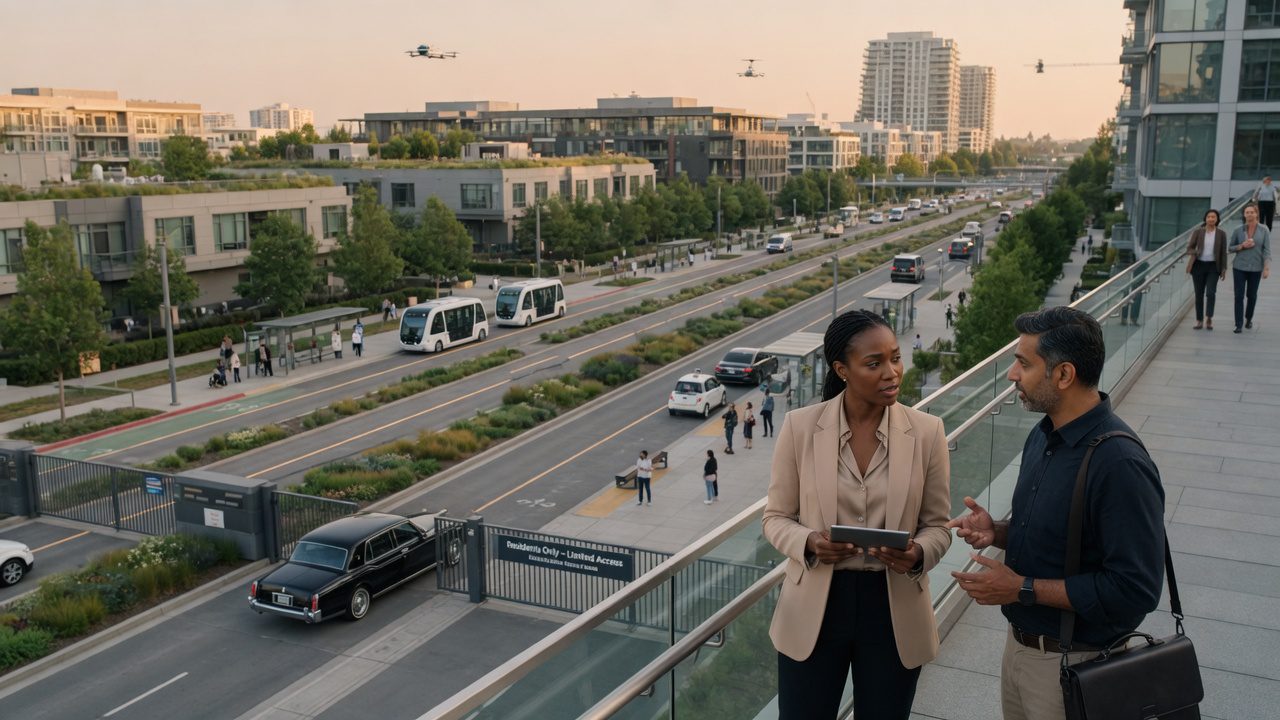
Why Cars Could Become Rare Luxuries by 2040
In the not-too-distant future, the idea of owning a personal car might shift from everyday necessity to exclusive privilege. By 2040, experts predict that widespread adoption of autonomous technology, shared mobility services, and transformative urban planning could make individual car ownership a rare luxury for most people. This evolution isn’t just about convenience—it’s driven by technological breakthroughs, environmental imperatives, and shifting societal priorities.
Ride-sharing platforms like Uber and Lyft have already begun eroding traditional car ownership in major cities. By 2040, fleets of self-driving vehicles will likely dominate, offering on-demand transport at a fraction of today’s costs. Autonomous robotaxis could reduce the need for personal vehicles by up to 80% in dense urban areas, according to projections from McKinsey. With AI handling navigation, maintenance, and routing, users will summon a vehicle via app, complete their journey, and move on—eliminating parking hassles and insurance burdens.
Electric vehicles will power these fleets, further lowering operational expenses. Companies like Tesla and Waymo are already testing Level 4 autonomy, setting the stage for scalable, 24/7 services that make private cars seem inefficient and outdated.
Urban Redesign and Reduced Car Dependency
Cities worldwide are rethinking infrastructure to prioritize pedestrians, cyclists, and public transit. Initiatives in places like Barcelona’s superblocks and Singapore’s car-lite policies demonstrate how space once dedicated to roads and parking can be reclaimed for green areas and housing. By 2040, megacities may feature extensive high-speed rail, hyperloops, and drone-based delivery systems that minimize personal travel needs.
Remote work trends accelerated by the pandemic will persist, cutting daily commutes. As a result, the average household might forgo car ownership entirely, opting instead for subscription-based access to mobility services when required.
Environmental and Economic Pressures
Climate goals demand drastic cuts in emissions, with transportation accounting for nearly 30% of global CO2 output. Governments are imposing stricter regulations, congestion pricing, and eventual bans on fossil-fuel vehicles. Owning a car could incur heavy taxes or limited access in zero-emission zones.
Economically, younger generations already show less interest in car ownership due to high costs—averaging $9,000 annually per vehicle in the US. Millennials and Gen Z prefer experiences over assets, favoring streaming, travel, and tech gadgets. By 2040, this mindset will be mainstream, rendering cars status symbols akin to private jets today.
Challenges and Counterpoints
Rural areas may lag, preserving some personal vehicle use where public options remain sparse. Luxury brands could pivot to high-end autonomous experiences, keeping exclusivity alive for the wealthy. Cybersecurity risks and regulatory hurdles might slow full autonomy, but incremental progress ensures the trend toward rarity.
A New Era of Mobility
The decline of mass car ownership promises cleaner air, less congestion, and more livable cities. While enthusiasts may mourn the loss of driving freedom, society gains efficiency and sustainability. By 2040, cars won’t disappear—they’ll simply become luxuries reserved for niche enthusiasts or premium services, marking a profound shift in how humanity moves.
Leave a Reply