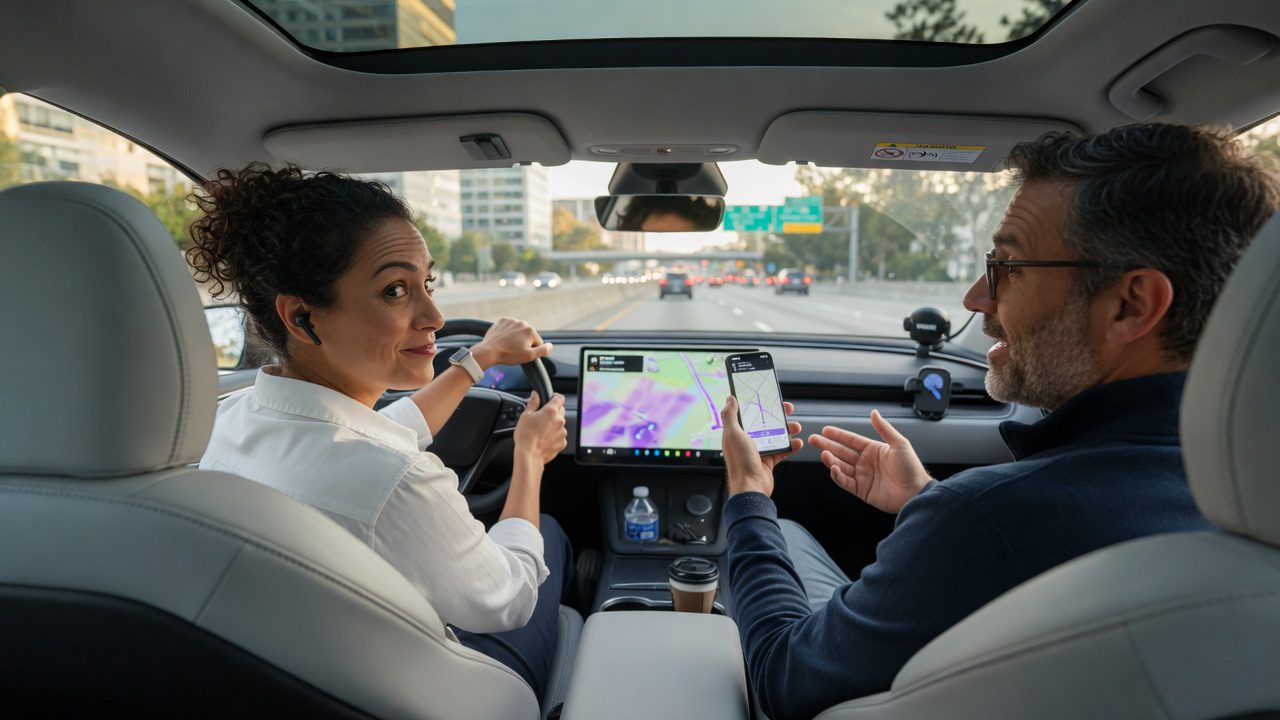
The persistent interruptions from navigation apps during drives or podcasts represent a common friction point in daily mobility, and Waze’s less chatty mode new AI features address this by refining voice prompts through context-aware algorithms. This development prioritizes user control over audio output while maintaining core routing functionality.
Waze has implemented machine learning models that analyze driving patterns, road conditions, and user preferences to minimize unnecessary alerts. These updates draw on aggregated telemetry data processed in cloud environments, enabling the application to distinguish between critical updates and routine information without constant vocal intervention.
Infrastructure and Data Processing Implications
The reduced verbosity relies on scalable cloud infrastructure to handle real-time data streams from millions of users. This approach involves edge computing nodes that filter notifications closer to the device, lowering latency and bandwidth demands on central data centers. Such optimizations reflect broader industry trends in efficient resource allocation for location-based services.
Strategic Data Utilization
By limiting spoken guidance, the system reduces the volume of processed audio events, which in turn supports more targeted data strategies for route optimization and traffic prediction. Organizations deploying similar AI navigation tools must consider storage and compute costs associated with continuous sensor inputs.
Policy Considerations for IT Deployment
Implementation of these features raises questions around data governance and user consent in location tracking. Policymakers and IT leaders evaluating navigation platforms should assess how quieter AI modes influence overall system transparency and cybersecurity protocols for handling mobility datasets.
- Enhanced focus on essential alerts improves driver attention metrics.
- Cloud-based AI training enables iterative improvements without over-the-air bloat.
- Integration with existing infrastructure supports hybrid public-private data ecosystems.
These changes position Waze as an example of how targeted AI tuning can align navigation technology more closely with practical infrastructure demands and user expectations in connected environments.
Leave a Reply