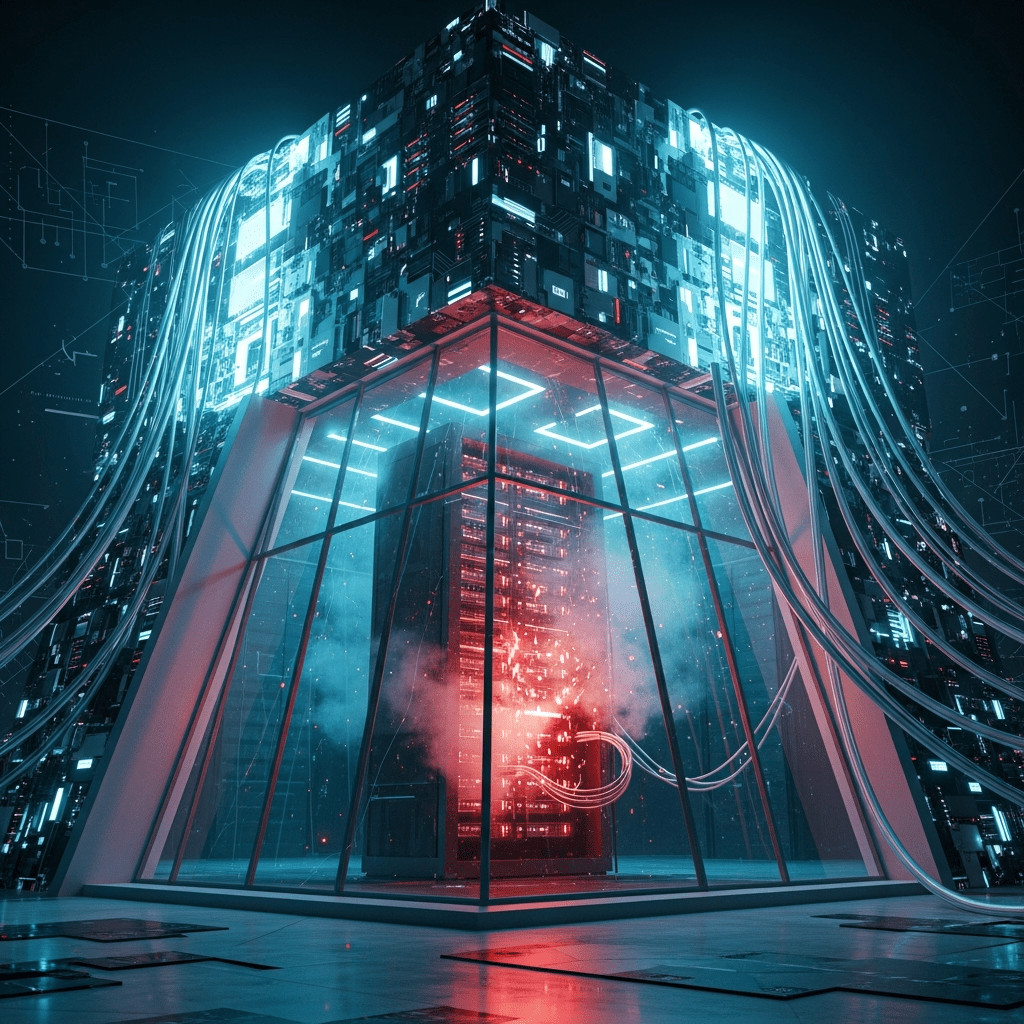
There’s a special kind of awkwardness reserved for meetings where everyone has to pretend the company’s biggest, most catastrophic project failure didn’t just happen. We all stare at the PowerPoint, nodding along, while the ghost of a thousand wasted work-hours haunts the conference room. This, in a nutshell, is the vibe coming from the Venice Biennale, which has decided to welcome back the Russian pavilion. It’s less of a grand cultural gesture and more of a system administrator insisting a server is “technically online” while smoke pours out of the back.
The Official Changelog vs. The User Comments
The official line is that art must remain a “free zone,” a magical realm untouched by the messy business of, you know, war. The Biennale’s organizers have championed dialogue and diplomacy, which sounds lovely until you realize the pavilion is state-property. To get around this minor detail, the whole operation is being curated by Bolivia, a brilliant bit of bureaucratic jujitsu. It’s the geopolitical equivalent of routing your traffic through a proxy server in another country to access a blocked site. “See? It’s not *us,* it’s the third-party integration!”
A Glitch in the ‘Cultural Diplomacy’ Matrix
Naturally, the user base is not amused. The backlash, explained simply, stems from a premise: you can’t really separate the art from the state that owns the building it’s in. Claiming the art is independent is like saying the company’s terrible new software has nothing to do with the CEO who demanded it be built in two weeks using an experimental framework. It’s a systemic issue, not an isolated component failure.
- The “It’s the Artists, Not the State” Defense: This is a classic IT move. Don’t blame the flawed system architecture; blame the one rogue microservice that’s causing the cascade failure.
- The “We Need Dialogue” Justification: This feels like forcing everyone into a mandatory team-building escape room while the office is being actively downsized. The timing is, shall we say, suboptimal.
- The Awkwardness Protocol: For other countries and artists, this creates a social bug. Do you acknowledge the blinking red error light in the room, or do you just carry on with your presentation as if everything is fine?
Ultimately, the Venice Biennale Russia pavilion situation isn’t a simple misconfiguration; it’s a conflict in the core programming. Is art a universal protocol that can connect any two nodes, regardless of firewalls? Or is it subject to the access-control lists of the real world? The Biennale is hoping a soft reboot will smooth things over, but the community has already flooded the help desk with critical-error tickets.
Leave a Reply