Tag: tech

  • Virginia Judge Rules Against Restored Confederate School Names in Endless Policy Cycles

    Virginia Judge Rules Against Restored Confederate School Names in Endless Policy Cycles

    The recent order from a Virginia judge directing the removal of restored Confederate names from schools once again highlights the repetitive cycle of local government decisions, mirroring the endless committee loops that consume time and budgets without delivering lasting outcomes.

    Implications for School IT Systems

    Each reversal forces school districts to update core digital infrastructure, including student information systems, geographic information system mappings, and public-facing websites. These changes require coordinated database migrations that often span multiple platforms, increasing the risk of data inconsistencies across state education networks.

    Data Management and Record Updates

    IT teams must revise official records in centralized cloud environments and ensure compliance with federal reporting standards. Repeated modifications amplify operational overhead, as administrators reconcile legacy data with new naming conventions while maintaining audit trails for cybersecurity reviews.

    Policy Shifts and Infrastructure Strategy

    Local governments can draw parallels to inefficient meeting cycles by adopting structured change-management protocols within their IT frameworks. Implementing version-controlled policy databases would reduce redundant updates and allow for more predictable resource allocation in educational technology environments.

    • Streamlined approval workflows integrated with existing school management software
    • Automated alerts for compliance teams when legal rulings affect digital assets
    • Centralized repositories for historical naming data to support future audits

    Such approaches could minimize the downstream effects on cybersecurity posture and network stability that arise during frequent system overhauls.

  • Senate Stopgap Bill To Avert Shutdown: Absurd Quotes Explained And Tech Infrastructure Impacts

    Senate Stopgap Bill To Avert Shutdown: Absurd Quotes Explained And Tech Infrastructure Impacts

    Legislative delays in passing a full budget often mirror the deadline dodging familiar in software development and IT project management, where teams rely on temporary patches instead of comprehensive upgrades. The Senate’s recent stopgap bill to avert a government shutdown highlights this pattern through colorful metaphors that transform serious funding debates into distractions, ultimately affecting critical technology infrastructure investments that organizations and agencies depend on.

    Core Elements Of The Senate Stopgap Bill

    A stopgap bill provides short-term funding to keep government operations running when lawmakers cannot agree on a complete appropriations package. This approach allows agencies to maintain essential services but defers decisions on long-term allocations for technology programs, data centers, and cybersecurity initiatives. Beginners in policy analysis can view it as a temporary code fix that prevents system crashes while the underlying architecture remains unaddressed.

    Absurd Quotes And Their Role In Budget Negotiations

    Phrases such as references to “donkeys flying” emerge during heated exchanges to illustrate the perceived improbability of reaching consensus. These metaphors draw attention away from substantive issues like funding levels for cloud computing resources and network security protocols. Similar to how project managers use humorous analogies to ease tension in missed milestones, such language in Congress turns policy discussions into extended commentary rather than actionable plans.

    Parallels With IT Deadline Management

    In technology environments, teams frequently encounter similar procrastination cycles when stakeholders debate feature priorities instead of delivering core infrastructure updates. The result is repeated reliance on stopgap measures, such as emergency patches or scaled-back deployments, which increase overall costs and technical debt over time.

    Real-World Effects On Technology And Infrastructure

    Prolonged use of continuing resolutions disrupts predictable funding for federal IT projects, including broadband expansion, cybersecurity enhancements, and data center modernization. Agencies may delay procurement of new hardware or software licenses, leading to outdated systems vulnerable to threats. For the broader industry, this uncertainty affects contractors and vendors who supply cloud services and secure infrastructure solutions, potentially slowing innovation and raising operational expenses passed on to taxpayers.

    • Delayed cybersecurity grants leave networks exposed to evolving risks.
    • Infrastructure projects tied to government contracts face scheduling disruptions.
    • Tech policy stakeholders must monitor these bills to anticipate shifts in research and development support.

    Understanding these dynamics helps individuals recognize how legislative patterns influence the reliability of digital systems everyone uses daily.

  • Spain Italy Border Checks Dispute Ceuta Migrants Explained: Digital Border Systems And Eu Infrastructure Impact

    Spain Italy Border Checks Dispute Ceuta Migrants Explained: Digital Border Systems And Eu Infrastructure Impact

    Nations squabbling over traveler rules like neighbors fighting about shared driveways is bridging EU red tape to every traveler’s airport security nightmare. Spain’s recent 48-hour ultimatum to Italy over border procedures has spotlighted the fragile coordination required to manage migration flows, particularly around Ceuta, while exposing the underlying technology platforms that enforce these rules across the Schengen Area.

    Understanding The Spain Italy Border Checks Dispute Ceuta Migrants Explained

    The dispute centers on Spain’s demand for tighter coordination on migrant processing and traveler verification. Italy’s response, or lack thereof, has triggered temporary reintroduction of checks at key crossing points. These measures directly affect the digital systems that underpin free movement, forcing reliance on real-time data exchanges between national authorities.

    Key Technical Components Involved

    • Schengen Information System (SIS) database queries for alerts and biometric matches.
    • Automated border control gates using facial recognition and passport scanning.
    • Cloud-hosted migrant registration platforms shared across member states.

    Infrastructure And Cybersecurity Implications

    Border management today depends on interconnected data centers and secure networks. Any sudden policy shift strains these systems, increasing latency in identity verification and raising risks of data synchronization errors. Cybersecurity teams must monitor for potential exploits during periods of heightened manual checks, as legacy fallback procedures often bypass modern encryption standards.

    Policy Shifts And Long-Term Strategy

    EU officials are now accelerating discussions on unified digital identity frameworks and enhanced API integrations between national border agencies. Such upgrades could reduce friction for legitimate travelers while improving traceability of migration patterns. The current drama underscores the need for resilient infrastructure that can adapt to political disagreements without disrupting daily operations at airports and land borders.

  • What Unexpected US Payroll Decline July Means for Workers in Tech Infrastructure

    What Unexpected US Payroll Decline July Means for Workers in Tech Infrastructure

    The July jobs report delivered a mixed signal, with an unexpected decline in nonfarm payrolls alongside a slight easing in unemployment, leaving analysts to assess what unexpected us payroll decline july means for workers across the economy, especially those in technology and infrastructure roles.

    Interpreting the Conflicting Employment Indicators

    Official data showed payroll additions falling short of projections while the unemployment rate ticked lower, highlighting inconsistencies in how labor market trends are measured and reported. These figures carry direct weight for sectors dependent on skilled technical talent, including software development, network engineering, and systems administration.

    Impact on Technology Hiring and Infrastructure Projects

    Reduced payroll momentum can slow recruitment at cloud providers, data center operators, and cybersecurity firms that rely on steady expansion. Organizations may delay new infrastructure deployments or consolidate existing teams, affecting roles tied to server maintenance, cloud migration, and secure data handling.

    Cloud and Data Center Operations

    Providers managing hyperscale facilities often scale staffing based on projected demand. A softer payroll environment could lead to more measured hiring for positions supporting uptime, cooling systems, and power management, prompting greater emphasis on automation tools to maintain service levels without proportional headcount growth.

    Policy and Workforce Strategy Implications

    Technology policy discussions may shift toward incentives for reskilling programs and targeted immigration reforms to address gaps in critical infrastructure talent. Workers should monitor demand signals in areas such as edge computing and regulatory compliance, where specialized skills continue to command premium compensation despite broader economic uncertainty.

    Real-World Effects on IT Professionals

    • Contract and project-based opportunities may face tighter budgets as enterprises reassess technology spending.
    • Professionals with expertise in cybersecurity and cloud architecture retain leverage in negotiations for remote or hybrid arrangements.
    • Long-term career planning benefits from focusing on certifications and cross-training in high-demand infrastructure domains.
  • Why Appeals Court Blocked Trump White House Ballroom Project: Red Tape Lessons For Tech Infrastructure

    Why Appeals Court Blocked Trump White House Ballroom Project: Red Tape Lessons For Tech Infrastructure

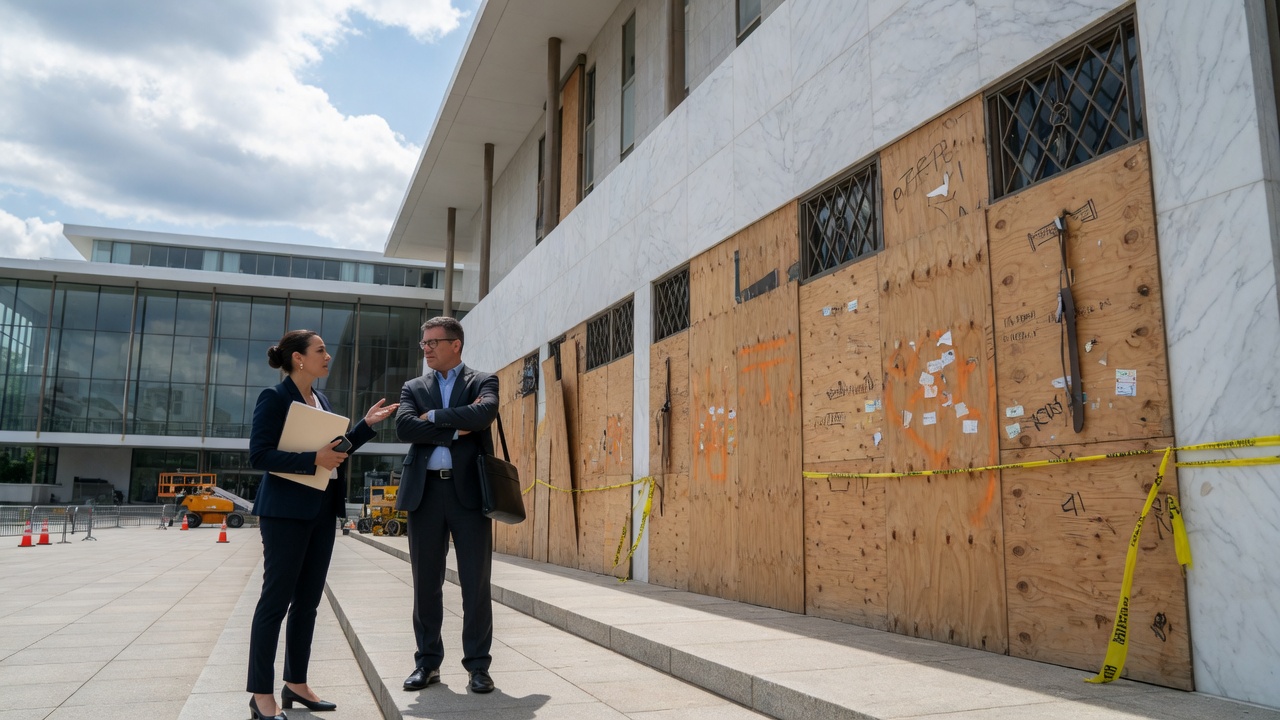
    Even presidents get buried in endless approval loops and congressional permits, like your own bathroom remodel but with $400 million and global headlines. The recent appeals court decision blocking the Trump White House ballroom project highlights how regulatory hurdles can stall major infrastructure initiatives, a challenge familiar to technology leaders building data centers and cloud facilities.

    Understanding The Appeals Court Ruling

    The court cited incomplete environmental reviews and failure to secure necessary congressional authorizations as primary reasons for halting the project. These requirements mirror the permitting processes that technology companies must navigate when expanding physical infrastructure such as hyperscale data centers.

    Key Regulatory Barriers Identified

    • Extensive environmental impact assessments required under federal law
    • Need for multi-agency coordination on land use and historic preservation
    • Budget and scope changes triggering additional congressional oversight

    Parallels To Technology And Cloud Infrastructure Projects

    Tech firms frequently encounter similar delays when proposing new facilities. Permitting for power grid connections, water usage for cooling systems, and local zoning approvals can extend timelines by years. The White House ballroom case demonstrates how even high-profile projects face the same bureaucratic layers that affect private-sector cloud and cybersecurity investments.

    Strategic Implications For The It Industry

    Delays increase costs and can shift investment decisions toward regions with streamlined processes. Organizations planning large-scale builds should prioritize early engagement with regulatory bodies and incorporate contingency timelines into project roadmaps. This approach helps mitigate risks associated with evolving policy requirements in areas such as energy efficiency and data security compliance.

    Ultimately, the decision underscores the importance of robust planning frameworks for any major infrastructure effort, whether public or private.

  • ChatGPT Unlimited Text Chats For Free Users: What It Means For AI Infrastructure

    ChatGPT Unlimited Text Chats For Free Users: What It Means For AI Infrastructure

    The removal of arbitrary usage caps on ChatGPT means free users can now continue conversations without interruption, ending the familiar frustration of hitting limits mid-query with an otherwise tireless AI system. This shift carries significant implications for the underlying technology stack, from cloud resource allocation to data center operations that support large language models at scale.

    Understanding The Infrastructure Behind Unlimited Access

    ChatGPT runs on extensive cloud computing clusters that manage model inference for millions of simultaneous users. Removing caps for free accounts requires providers to expand capacity planning, ensuring servers handle sustained workloads without degradation. This adjustment affects how organizations provision GPUs and optimize load balancing across global data centers.

    Cloud Resource Allocation Challenges

    Unlimited text chats increase demand on shared infrastructure components, including memory bandwidth and processing units dedicated to AI workloads. Companies must refine their autoscaling policies to maintain performance while controlling operational costs associated with continuous model serving.

    Implications For Data Centers And Energy Use

    Longer interaction sessions translate directly into higher utilization rates for specialized hardware. Data centers supporting these services face greater pressure on power distribution and cooling systems, prompting renewed focus on efficiency metrics and renewable energy sourcing to offset expanded AI inference demands.

    Policy And Industry Strategy Considerations

    Tech firms evaluating similar access changes must weigh competitive positioning against infrastructure investments. This development highlights the need for transparent reporting on capacity management and may influence regulatory discussions around sustainable AI deployment practices.

  • 1.5 Million Eggs Recalled Salmonella What You Need To Check In Supply Chain Infrastructure

    1.5 Million Eggs Recalled Salmonella What You Need To Check In Supply Chain Infrastructure

    The recent recall of 1.5 million eggs due to salmonella contamination underscores persistent vulnerabilities in food distribution networks, leaving consumers checking carton dates and codes amid uncertainty over safety protocols. This event highlights how legacy systems in agricultural logistics fail to deliver real-time traceability, turning routine breakfast planning into a data verification exercise.

    Traceability Gaps in Food Supply Chains

    Modern food recalls expose weaknesses in the digital infrastructure supporting perishable goods distribution. Without integrated IoT sensors and centralized databases, identifying affected batches requires manual cross-referencing across multiple vendors, delaying public alerts and increasing exposure risks.

    Blockchain and Data Integration Challenges

    Industry leaders advocate for blockchain-based ledgers to record egg provenance from farm to shelf, yet adoption remains fragmented due to incompatible software platforms and limited cloud interoperability. These shortcomings mirror broader IT infrastructure issues where siloed data prevents swift recall execution.

    Policy Needs for Digital Food Systems

    Regulatory frameworks must prioritize standardized APIs and secure data-sharing mandates across the supply chain to mitigate future incidents. Enhanced cybersecurity measures around agricultural databases would prevent tampering that could exacerbate contamination events or erode consumer trust in automated safety notifications.

    Ultimately, this recall demonstrates the strategic imperative for tech investments in resilient infrastructure, ensuring that supply chain glitches do not cascade into widespread public health concerns.

  • Hackers Broke Into America Tap Water: How Scared Should You Be?

    Hackers Broke Into America Tap Water: How Scared Should You Be?

    Every morning, millions of Americans fill their kettles without a second thought, yet recent incidents where hackers broke into America tap water systems underscore how aging utility infrastructure remains exposed to modern cyber threats. These events highlight the urgent need to examine the intersection of outdated operational technology and escalating cybersecurity risks in critical sectors.

    Connecting Everyday Routines To Infrastructure Vulnerabilities

    The relatable act of preparing coffee or tea now serves as an entry point to understanding broader issues in water management networks. Many municipal systems still rely on legacy software platforms that evoke the era of Windows 95, lacking basic segmentation, encryption, or remote access controls that have become standard in enterprise IT environments.

    Documented Incidents And Their Technical Implications

    Reports from various states reveal unauthorized access attempts targeting industrial control systems responsible for water treatment and distribution. These intrusions often exploit unpatched SCADA environments and weak authentication mechanisms, demonstrating how minimal IT hygiene in public utilities can create pathways for disruption that extend beyond data breaches into physical service impacts.

    Legacy Systems And The IT Debt Problem

    Water utilities frequently operate with decades-old hardware and software that cannot support contemporary security protocols or cloud-based monitoring solutions. This technological debt stems from decades of underinvestment in digital upgrades, leaving operators reliant on air-gapped assumptions that no longer hold in an era of increased remote connectivity and IoT device proliferation.

    How Scared Should The Public Actually Be

    While confirmed cases have not resulted in widespread contamination or service failures, the incidents illustrate systemic exposure across thousands of small and mid-sized utilities. The primary concerns center on potential manipulation of chemical dosing or pressure controls rather than immediate health crises, emphasizing the importance of resilience planning over panic.

    Strategic Recommendations For Modernization

    Addressing these risks requires coordinated policy shifts that incentivize adoption of zero-trust architectures, regular penetration testing, and integration with secure cloud platforms for anomaly detection. Federal funding mechanisms and industry standards must prioritize cybersecurity investments alongside traditional infrastructure repairs to prevent future disruptions in essential services.

  • SpaceX Share Unlock What It Means For Investors 2026: Implications For Tech Infrastructure

    SpaceX Share Unlock What It Means For Investors 2026: Implications For Tech Infrastructure

    The SpaceX share unlock that has effectively doubled the available float is creating ripple effects that extend far beyond traditional equity trading desks, directly influencing how retirement accounts and institutional portfolios allocate capital toward advanced technology infrastructure projects.

    Share Unlock Mechanics And Investor Portfolio Impacts

    Complex lockup expiration schedules have produced situations where newly available shares surpass the prior float, forcing fund managers to recalculate exposure levels in real time. This process introduces layers of administrative reconciliation that often leave everyday investors uncertain about the precise valuation of their holdings in technology-forward vehicles.

    Retirement Fund Documentation Challenges

    Paperwork flows governing these adjustments frequently span multiple custodians and regulatory filings, resulting in delayed statements that affect contribution strategies for participants in 401(k) plans and similar vehicles. The administrative overhead can shift billions in perceived asset values across quarterly reporting cycles, complicating long-term planning for infrastructure-related technology investments.

    Strategic Ramifications For Satellite And Data Infrastructure

    SpaceX operations underpin critical satellite broadband networks that function as distributed data infrastructure, supporting cloud connectivity in underserved regions. Fluctuations in share availability may influence capital deployment timelines for constellation expansions, bandwidth capacity upgrades, and ground station cybersecurity enhancements that rely on sustained private funding.

    Policy And Market Stability Considerations

    Regulators monitoring technology sector valuations will likely scrutinize how such unlock events interact with disclosure requirements for infrastructure-adjacent companies. Clearer reporting standards could reduce friction for investors evaluating the sustainability of space-based data transmission systems and their role in global digital resilience.

    • Reassessment of risk models for satellite network operators
    • Potential adjustments in venture allocations to space-adjacent cloud providers
    • Heightened focus on cybersecurity protocols tied to expanded orbital assets
  • Firefighters 16 Hour Shifts Wildfire Fighting Reality Exposes Systemic Burnout Loops in Critical Infrastructure

    Firefighters 16 Hour Shifts Wildfire Fighting Reality Exposes Systemic Burnout Loops in Critical Infrastructure

    Extended overtime in high-stakes environments like wildfire response mirrors the endurance tests familiar in corporate settings, where systemic inefficiencies trap personnel in cycles of overwork that technology could otherwise interrupt. Firefighters facing 16-hour shifts during peak wildfire seasons encounter the same productivity erosion seen in office burnout, yet the consequences scale to public safety and infrastructure resilience rather than quarterly targets.

    Parallels to Office Burnout in Emergency Operations

    The absurd feedback loops in disaster response—where understaffed crews rely on prolonged shifts because predictive tools remain underdeployed—echo corporate patterns of reactive management. In both cases, data silos and outdated scheduling platforms prevent proactive resource allocation, turning temporary surges into chronic strain on human capital and supporting networks.

    Infrastructure Gaps Amplifying Shift Fatigue

    Wildfire coordination depends on fragmented communication systems and legacy data centers that lack real-time integration with satellite feeds or IoT sensor networks. These limitations force manual oversight during extended operations, increasing error rates as fatigue sets in and exposing vulnerabilities in the broader emergency infrastructure that parallels risks in cloud service outages or power grid management.

    Data Analytics and Cloud Strategies for Shift Optimization

    Advanced analytics platforms deployed via secure cloud environments can model crew endurance against fire spread predictions, enabling dynamic rostering that reduces reliance on 16-hour shifts. Agencies adopting such tools report measurable drops in response delays, highlighting how investment in scalable software infrastructure directly mitigates the endurance-test dynamics of wildfire fighting reality.

    Policy Implications for Tech-Enabled Resilience

    Regulatory frameworks must prioritize funding for interoperable systems that link meteorological data, personnel tracking, and cybersecurity protocols to safeguard against both physical burnout and digital threats during prolonged incidents. Without these upgrades, the infrastructure supporting emergency services remains as susceptible to overload as the firefighters themselves.