NYC Rent Freeze Approved: What It Means for Tenants
The New York City Rent Guidelines Board (RGB) has officially approved a rent freeze for rent-stabilized apartments, marking a significant policy shift aimed at easing the burden on millions of residents amid ongoing affordability challenges. This decision, reached after heated public hearings and data reviews, freezes rents at current levels for one- and two-year leases starting October 1. For tenants, this could provide immediate relief, but experts warn of potential long-term ripple effects on housing supply and quality.
Background on the Rent Freeze Decision
NYC’s rent stabilization system covers over one million apartments, protecting tenants from sharp annual increases. The RGB typically votes on guideline increases each year based on landlord operating costs, inflation, and tenant income data. This year, amid post-pandemic recovery and high inflation, the board opted for a zero percent increase—the first full freeze in recent memory.
The vote followed testimony from tenant advocates highlighting skyrocketing utility costs and stagnant wages, contrasted with landlord arguments about maintenance expenses. Data from the RGB showed average landlord costs rising 3-5%, yet the freeze prioritizes tenant stability.
Immediate Benefits for Tenants
For the average rent-stabilized tenant paying around $1,500 monthly, the freeze means no increase, saving hundreds over the lease term. This is particularly impactful in neighborhoods like Brooklyn and Queens where rents have climbed steadily.
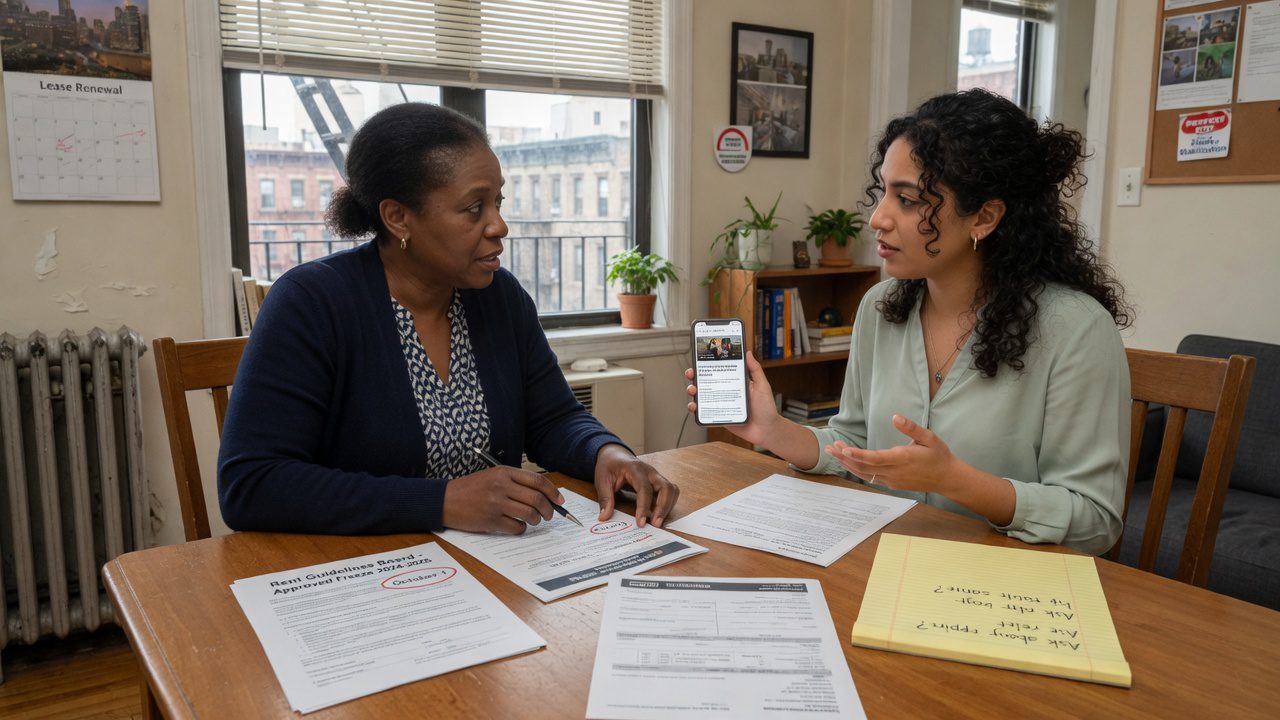
Tenants can now budget more predictably, potentially freeing funds for other essentials. Apps like RentHub and tenant rights platforms are seeing spikes in downloads as renters seek guidance on renewal notices and lease negotiations.
- No Annual Hikes: Renewals locked at current rates.
- Renewal Security: Stronger position against eviction pressures.
- Community Stability: Reduced displacement risks in gentrifying areas.
Potential Drawbacks and Considerations
While celebrated by tenant groups, the freeze raises concerns. Landlords may defer repairs or reduce services, leading to declining building conditions. Some property owners are exploring condo conversions or deregulation tactics, which could shrink the stabilized stock over time.
Tech-savvy tenants are turning to proptech tools like StreetEasy analytics and AI-powered lease reviewers to monitor compliance. However, smaller landlords without access to sophisticated software might struggle, indirectly affecting service quality.
Broader Market and Economic Implications
The policy could influence the wider NYC housing market by signaling stronger tenant protections. Market-rate rents might face upward pressure as stabilized units become more desirable. Economists predict a modest slowdown in new construction investment, though city incentives for affordable housing development aim to counterbalance this.
In a tech-forward lens, data platforms are crucial here. Companies like Zillow and local startups are updating algorithms to reflect the freeze, helping users identify stabilized units and forecast future costs. This transparency empowers renters but also highlights inequalities—those without digital access may miss out.
What Tenants Should Do Next
- Review your lease renewal notice carefully for compliance.
- Document apartment conditions to protect against future disputes.
- Join tenant associations or use digital forums for collective advocacy.
- Explore relocation assistance programs if considering a move.
Consult legal aid organizations like the Legal Aid Society for personalized advice, especially if facing harassment or illegal increases.
Looking Ahead
This rent freeze sets a precedent for future RGB votes and could inspire similar policies in other high-cost cities. As NYC grapples with a housing crisis, balancing tenant relief with sustainable landlord economics remains key. Tenants stand to gain short-term stability, but vigilance and smart use of technology will be essential for navigating the evolving landscape.
Overall, the approval underscores a shift toward renter-centric policies, offering hope while challenging the industry to adapt innovatively. Stay informed through reliable sources and leverage digital tools to maximize the benefits of this change.
Leave a Reply