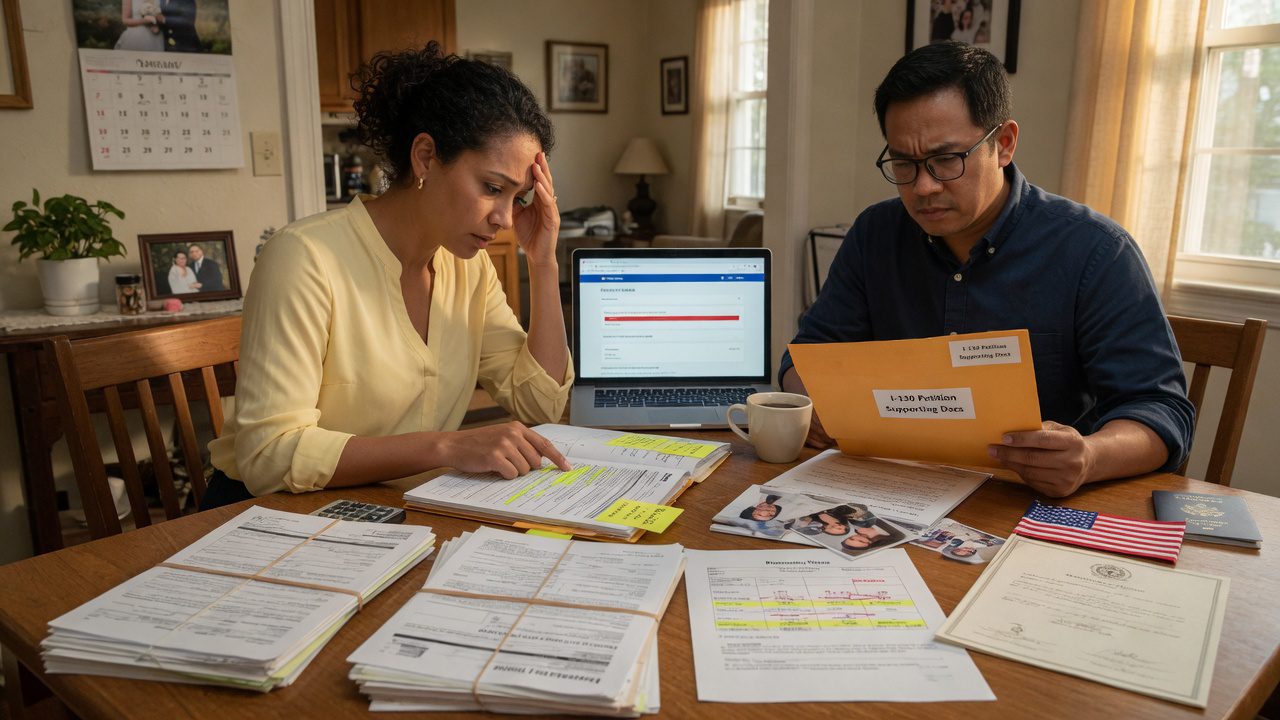
Marriage Green Cards Just Got Harder: 5 Key Reasons Why
In recent months, couples navigating the U.S. immigration system through marriage-based green cards have encountered unprecedented obstacles. What was once a relatively straightforward path for many spouses of U.S. citizens or permanent residents has become more complex, time-consuming, and uncertain. The U.S. Citizenship and Immigration Services (USCIS) has implemented changes that effectively raise the bar for approval.
This shift affects thousands of mixed-status couples annually. Processing times have lengthened, approval rates have dipped in certain categories, and applicants report heightened levels of documentation demands. Understanding these developments is crucial for anyone planning to file Form I-130 or adjust status via Form I-485.
Background on Marriage-Based Immigration
Marriage green cards allow foreign nationals married to U.S. citizens or green card holders to obtain lawful permanent residency. The process typically involves proving the marriage is bona fide, meeting financial sponsorship requirements, and passing medical and security checks.
Historically, immediate relatives of citizens enjoyed priority processing with relatively high approval rates. However, evolving enforcement priorities have altered this landscape significantly.
Reason 1: Heightened Fraud Detection Measures
USCIS has ramped up its use of data analytics and artificial intelligence to flag potentially fraudulent applications. Officers now cross-reference social media, financial records, and travel histories more rigorously than before.
Couples must submit extensive evidence including joint leases, bank statements spanning multiple years, affidavits from friends and family, and proof of shared insurance policies. Even minor inconsistencies can trigger Requests for Evidence (RFEs), delaying cases by months.
Reason 2: Stricter Interview Protocols
In-person interviews at USCIS field offices have become more intensive. Officers probe deeper into relationship timelines, living arrangements, and future plans. Some locations have introduced specialized fraud units that conduct separate interviews for spouses.
This approach aims to deter sham marriages but creates stress for legitimate couples who may struggle to recall every detail of their relationship history.
Reason 3: Policy Shifts and Backlogs
Changes in administrative priorities have contributed to longer backlogs. Staffing shortages at service centers, combined with increased security vetting layers, have extended average processing times beyond 12-18 months in many jurisdictions.
Additionally, updated guidance on public charge rules and income requirements means sponsors must demonstrate higher financial thresholds, often requiring joint sponsors even when previously unnecessary.
Reason 4: Expanded Use of RFEs and Denials
Data from recent fiscal years shows a marked increase in RFEs for marriage-based petitions. Applicants now face demands for original documents, certified translations, and third-party verifications that add layers of complexity.
Denial rates have ticked upward slightly, particularly for cases involving prior overstays or complicated immigration histories. Legal experts recommend consulting immigration attorneys early to anticipate these hurdles.
Reason 5: Technological Integration Challenges
While USCIS has pushed for online filing through its ELIS system, the transition has not been seamless. Technical glitches, document upload limits, and system downtime frustrate applicants. The integration of new databases for background checks further slows adjudication.
Impact on Couples and Next Steps
These changes disproportionately affect lower-income families and those in rural areas with limited access to legal resources. Many couples are delaying filings or exploring consular processing alternatives abroad.
To improve chances of success, experts advise maintaining meticulous records from the start of the relationship, attending all appointments prepared, and considering premium processing where available. Staying informed through official USCIS channels remains essential.
The landscape for marriage-based green cards continues to evolve. Prospective applicants should monitor policy announcements closely and seek professional guidance tailored to their unique circumstances.
Leave a Reply