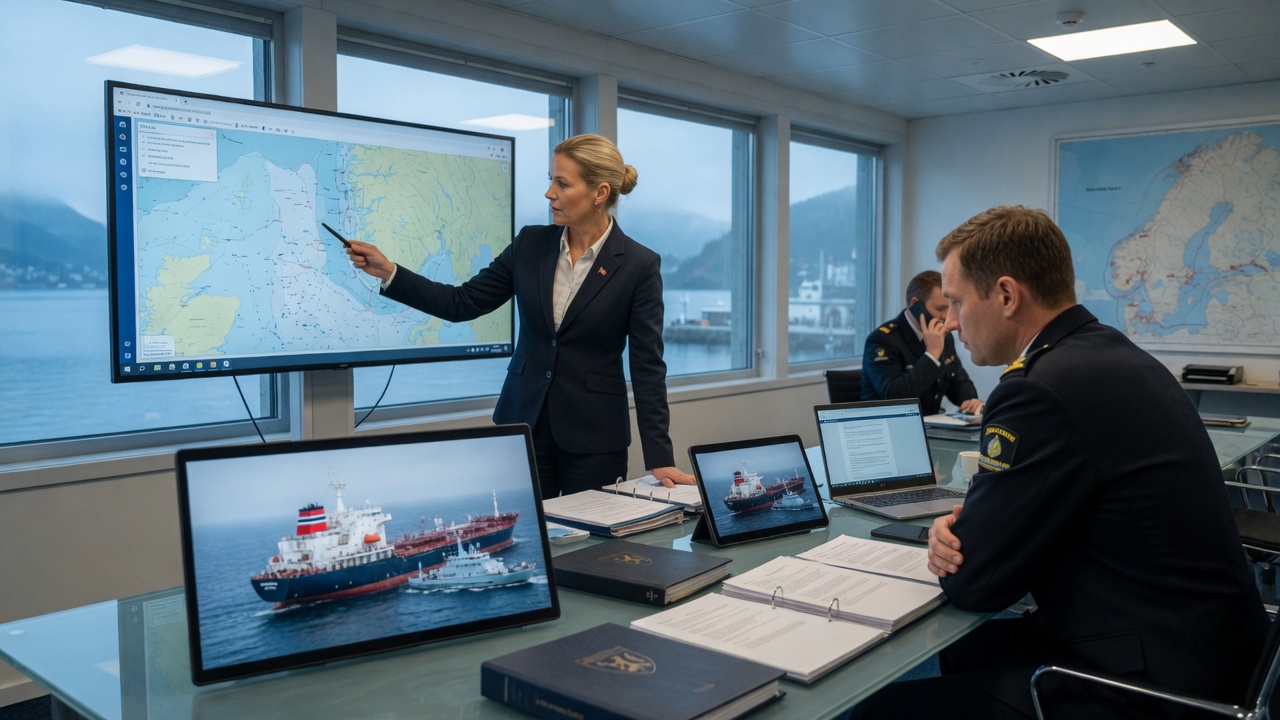
In the absurd international version of ‘I owe you money so I’m taking your bike,’ Norway has grabbed a Russian vessel in a $4.2 billion saga rooted in decades-old arbitration papers from Naftogaz Ukraine, turning dusty legal bureaucracy into a high-seas treasure hunt that exposes how global infrastructure can get hijacked by paperwork.
The High-Seas Debt Collection Playbook
What began as a standard energy arbitration award has morphed into Norway enforcing claims by impounding physical assets, highlighting how international legal systems function like legacy software with unpatched exploits that suddenly trigger real-world seizures. The move underscores the unpredictable ripple effects when old rulings meet modern enforcement tools.
Critical Infrastructure Meets Digital Tracking
Shipping lanes represent core global infrastructure, and this seizure disrupts not just steel hulls but the software ecosystems managing container tracking, route optimization, and real-time logistics data. Imagine supply-chain platforms suddenly rerouting around sanctioned vessels while cybersecurity teams scramble to verify digital manifests against evolving sanctions lists.
Supply Chain Software And Sanctions Fallout
- Logistics algorithms must now incorporate live enforcement data, increasing latency and error rates in predictive models.
- Cloud-based maritime platforms face heightened scrutiny over data accuracy when vessels change hands mid-voyage.
- Potential for cascading delays in tech hardware deliveries as ports treat every Russian-linked asset as a compliance landmine.
Policy Lessons For The IT Sector
This episode serves as a sarcastic reminder that even the most digital industries rely on physical infrastructure vulnerable to geopolitical code conflicts. Companies in cloud, data centers, and cybersecurity should treat arbitration databases and sanctions feeds as mission-critical inputs rather than afterthoughts, or risk their own high-seas surprises when bureaucracy decides to collect.
Leave a Reply