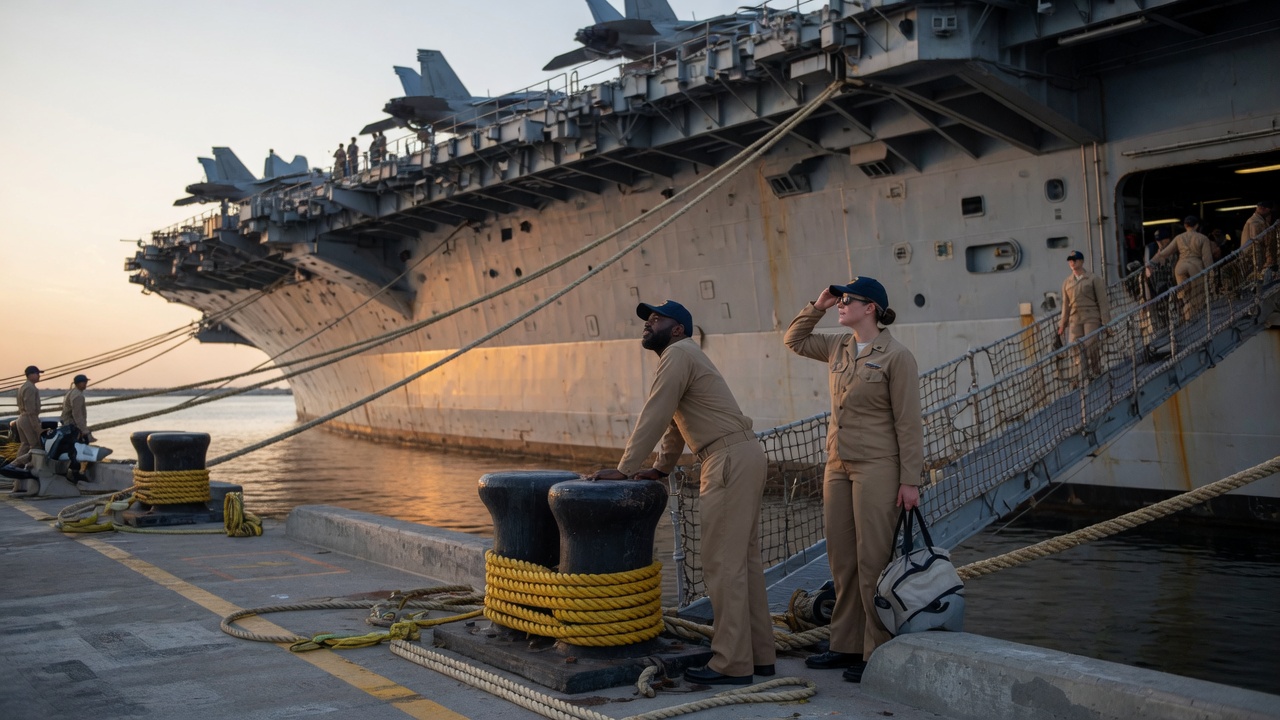
After 250 days at sea, the crew of the USS Abraham Lincoln finally docked in Thailand, turning the world’s longest work trip into a master class in post-deployment recovery that any IT professional pulling back-to-back deadlines can relate to.
The 9-Month Marathon Nobody Asked For
Military deployments lasting nine months mirror those endless software release cycles where teams live on caffeine and hope. Just as sailors maintained carrier operations without a break, DevOps engineers keep pipelines running through weekends, only to emerge bleary-eyed when the final commit lands.
Carriers like the Abraham Lincoln function as floating data centers, relying on satellite links, onboard networks, and cybersecurity protocols to stay operational. Prolonged deployments strain these systems the same way extended cloud migrations stretch on-prem resources, highlighting the need for resilient infrastructure that survives months without shore-based support.
Policy Lessons for Tech Leaders
Defense strategies around crew rotation echo corporate debates over mandatory time off after major projects. Without enforced downtime, burnout risks rise whether the environment is open ocean or open office. Thailand shore leave offers the reset button many IT departments still treat as optional.
- Long deployments test both hardware redundancy and human endurance.
- Real-time data sharing at sea previews edge computing challenges in remote sites.
- Post-deployment maintenance windows parallel quarterly infrastructure audits.
In the end, 250 days at sea proves that even the mightiest carrier needs to dock eventually, much like the most heroic sprint team needs a vacation before the next ticket queue fills up.
Leave a Reply