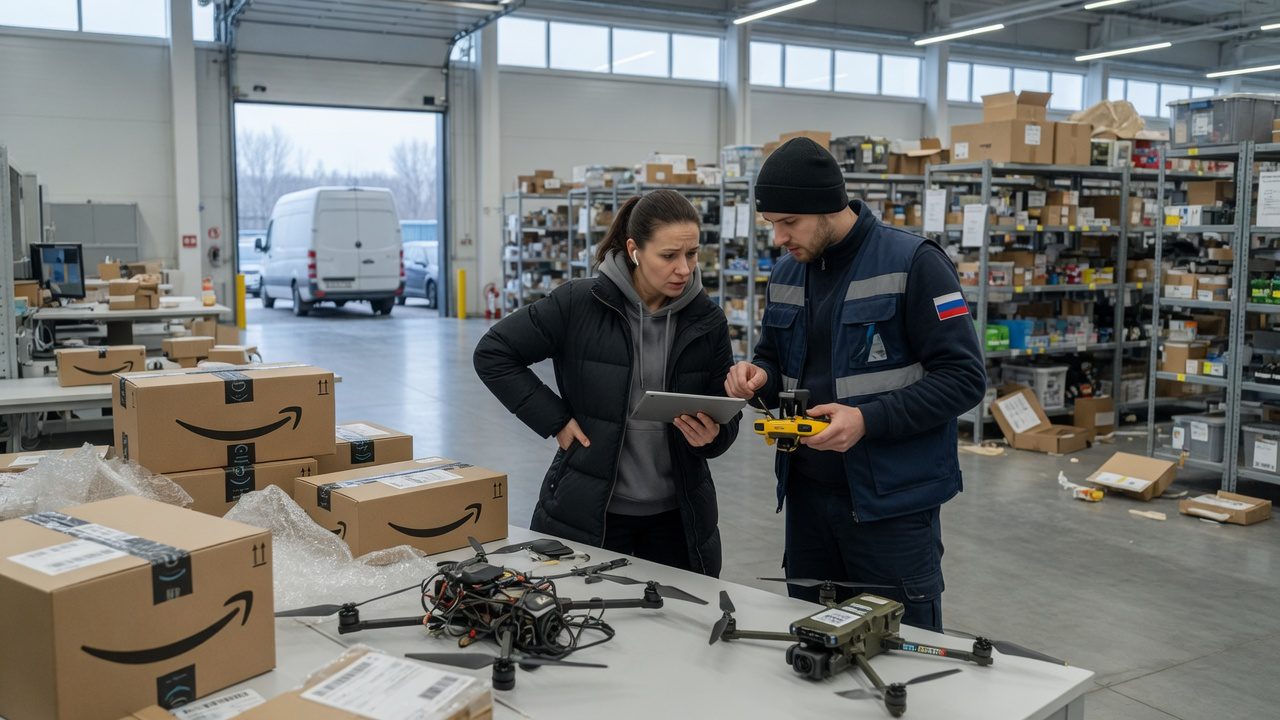
Recent reports of Ukraine drones attack Wildberries retailer facilities illustrate how modern conflict can suddenly interrupt the same-day delivery services and routine online shopping that many consumers rely upon for household essentials.
The Technology Driving Retail Logistics
E-commerce platforms like Wildberries depend on sophisticated software systems for inventory management, route optimization, and warehouse automation. These tools integrate cloud computing resources and real-time data analytics to meet customer expectations for fast fulfillment. Disruptions from drone strikes can halt these interconnected systems, affecting supply chains that span multiple data centers and third-party logistics providers.
Cloud And Data Center Implications
Retail operations increasingly store customer data, transaction records, and predictive algorithms in distributed cloud environments. When physical infrastructure faces attacks, companies must activate contingency plans that include redundant servers and failover protocols. This situation underscores the vulnerability of digital supply chains to geopolitical events, prompting IT teams to reassess disaster recovery strategies.
Policy And Security Considerations
Governments and technology firms are examining how cybersecurity measures can protect critical retail infrastructure during conflicts. Enhanced monitoring of network traffic and secure communication channels between warehouses become essential to maintain operations. Such incidents may influence future regulations on data protection and infrastructure resilience in regions experiencing instability.
- Integration of satellite-based tracking for alternative delivery routes
- Adoption of edge computing to reduce reliance on centralized data centers
- Development of AI-driven risk assessment tools for logistics planning
These developments highlight the growing intersection between warfare, technology infrastructure, and everyday consumer services.
Leave a Reply