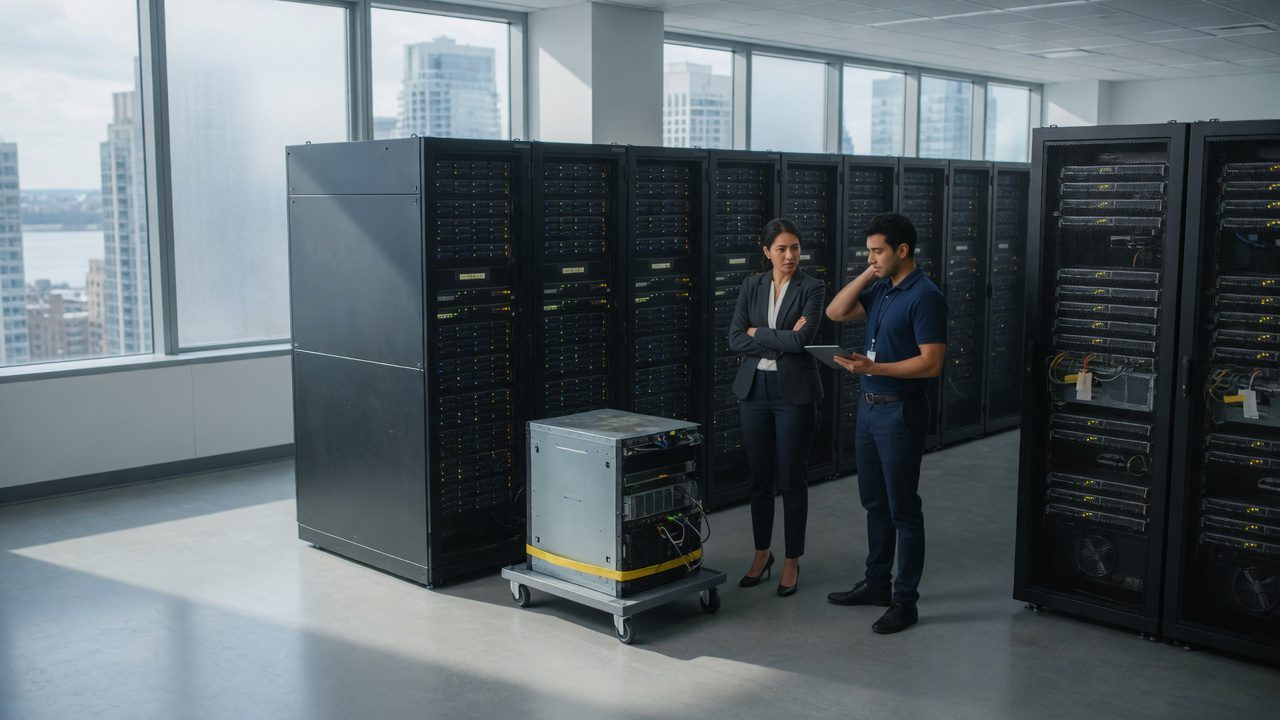
The rapid expansion of AI workloads is driving unprecedented electricity consumption in data centers, creating ripple effects that reach everyday users through slower streaming services and increased latency during peak hours. New York’s recent moratorium on new data center construction highlights the tension between surging computational demands and regional infrastructure limits, forcing technology leaders to reassess deployment strategies across the Northeast.
New York Data Center Moratorium Reasons
State regulators cited grid stability concerns and insufficient power generation capacity as primary factors behind the pause on large-scale facilities. Utilities have reported that hyperscale projects could require hundreds of megawatts, equivalent to powering entire municipalities, at a time when renewable integration and transmission upgrades lag behind demand forecasts from AI training clusters.
Policy and Energy Constraints
The moratorium reflects broader efforts to align data center growth with existing electrical infrastructure rather than accelerating new fossil fuel dependencies. Officials have emphasized the need for comprehensive environmental reviews before approving facilities exceeding 100,000 square feet or drawing more than 20 megawatts continuously.
Impact on IT Infrastructure and Cloud Services
Enterprises relying on regional cloud availability zones face delayed capacity expansions, prompting some providers to reroute workloads to Virginia and Texas facilities. This shift increases data egress costs and potential latency for financial services and media companies headquartered in New York, where sub-10-millisecond response times are standard for trading platforms and content delivery networks.
Strategic Adaptations for Technology Teams
- Prioritizing workload optimization through efficient model quantization to reduce power draw per inference request.
- Exploring edge computing architectures that distribute processing away from centralized hyperscale sites.
- Negotiating capacity reservations in neighboring states while monitoring regulatory developments in Albany.
Longer-term, the policy may accelerate adoption of advanced cooling technologies and on-site renewable microgrids within approved projects, reshaping how infrastructure architects design for both performance and compliance in constrained power markets.
Leave a Reply