
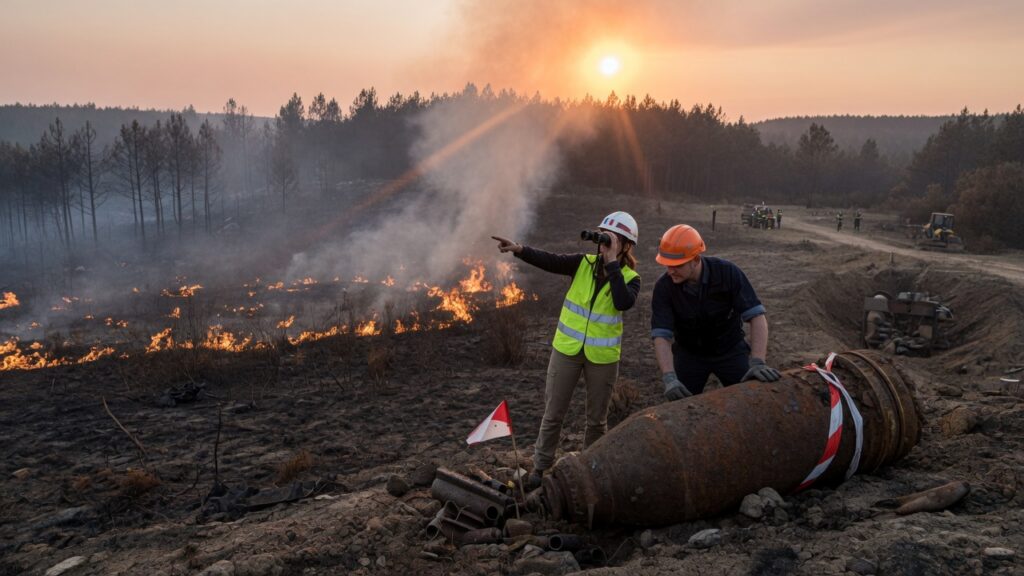
Wildfires exposing old bombs WW1 WW2 are turning climate change into a literal blast from the past, forcing tech leaders to confront how forgotten wartime relics can sabotage modern data centers, power grids, and fiber networks in ways no firewall can fix.
The Absurd Legacy of Buried Munitions Meets Climate Reality
Decades of bureaucratic hand-waving left millions of unexploded shells scattered across former battlefields, and now intensifying wildfires are detonating them like nature’s overdue patch notes. This isn’t just history trivia; it’s a wake-up call for infrastructure teams who assumed their risk models only needed to account for rising temperatures and flood zones, not surprise artillery from 1918.
Real-World Impact on Critical Systems
Data centers and telecom hubs near historic European and Pacific sites now face evacuation protocols triggered by random explosions, highlighting how poor historical data integration creates cascading failures. One stray fire can knock out connectivity for entire regions, proving that legacy physical debt is just as dangerous as unpatched software vulnerabilities.
Strategic Implications for IT and Policy
Forward-thinking organizations are updating geospatial risk platforms to include century-old battlefield maps alongside satellite feeds and AI-driven fire prediction. Without this, insurance premiums for remote infrastructure will skyrocket, and compliance teams will spend more time dodging literal bombs than navigating cybersecurity audits.
- Integrate historical ordnance databases into standard environmental impact assessments.
- Prioritize cloud redundancy in low-risk zones to mitigate single-point detonation failures.
- Advocate for policy shifts that treat old battlefields like hazardous waste sites in infrastructure permitting.
Lighthearted Caution for the Future
While we can’t defuse every leftover shell with a software update, ignoring this explosive mix of climate trends and bureaucratic oversights is asking for a very loud outage. The lesson is clear: always audit your physical foundations, or nature will do it for you with fireworks.