
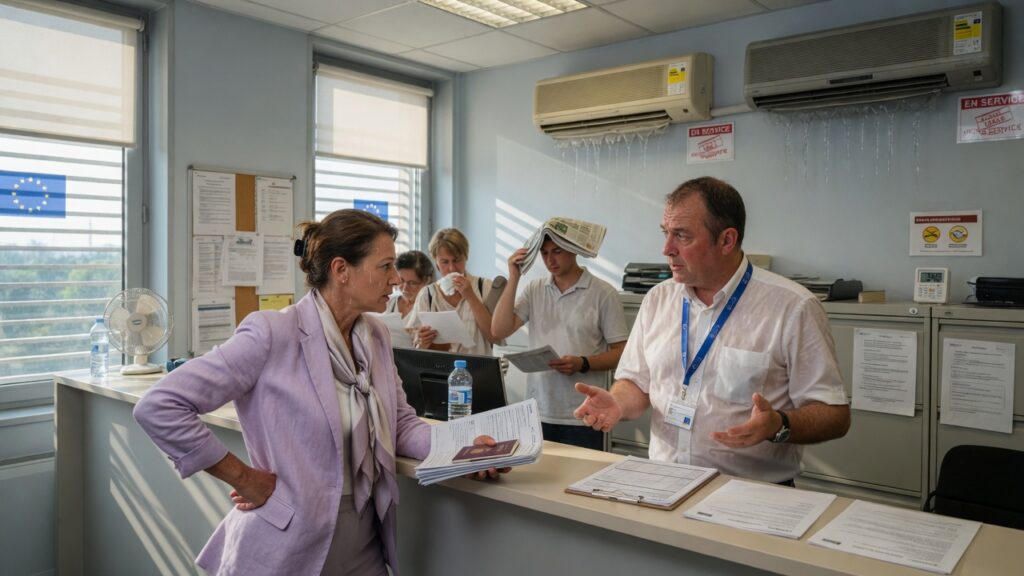
As Europe experiences more intense heatwaves, residents and businesses face mounting challenges in adopting air conditioning, from lengthy permit processes to unexpected energy costs that strain both households and critical infrastructure like data centers.
The Surge in Cooling Demand and Its Tech Implications
Record temperatures are driving why Europe is adopting air conditioning trends at an accelerated pace. This shift places new pressures on power grids and digital infrastructure, where data centers must maintain precise cooling to prevent downtime and ensure cybersecurity resilience during peak loads.
Energy Bills and Grid Stability Concerns
Surprise spikes in electricity consumption from widespread AC installations highlight vulnerabilities in legacy energy systems. IT operators are increasingly turning to smart grid software and AI-driven load balancing to mitigate risks, yet bureaucratic approval delays for new substations slow these adaptations.
Permits, Installation Waits, and Regulatory Friction
Navigating local regulations often means months-long waits for installation approvals, directly affecting technology rollouts. For instance, retrofitting commercial buildings with efficient HVAC systems tied to cloud monitoring platforms requires compliance checks that intersect with data privacy rules and building codes.
Infrastructure Strain on Data Centers
European data centers, which support cloud services across the continent, now contend with higher ambient temperatures and rising cooling demands. This trend underscores the need for advanced liquid cooling technologies and policy reforms to streamline permitting for sustainable infrastructure upgrades.
Strategic Responses and Future Outlook
Industry leaders advocate for harmonized EU policies that balance environmental goals with faster deployment of energy-efficient cooling. Integrating IoT sensors and predictive analytics can reduce energy bills while addressing the infrastructure bottlenecks tied to climate-driven AC adoption.