
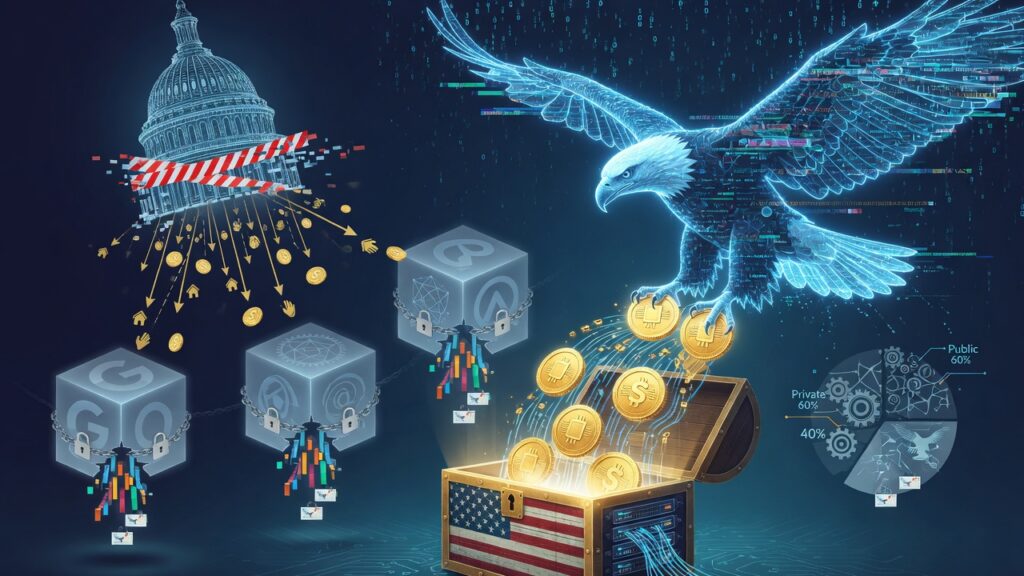
Picture this: you’re sipping coffee in your favorite café, scrolling through your AI-powered app that suggests the perfect playlist or predicts your next grocery need, when suddenly a news alert pops up about the US government taking stake in AI companies explained in detail. What if those massive tech investments weren’t just lining Silicon Valley pockets but somehow trickled back as quirky public dividends, like a small rebate on your data plan? This scenario blends the explosive AI boom with everyday bureaucratic quirks, turning what could be a dry policy discussion into a relatable comedy of errors where government red tape meets cutting-edge innovation in the most unexpected ways.
The AI Investment Boom Meets Everyday Apps
Let’s start with the basics of the US government taking stake in AI companies explained through a simple story. Imagine your neighbor Dave, who runs a small bakery and uses an AI tool to forecast flour shortages. One day, whispers of federal stakes in giants like OpenAI or Google DeepMind reach him, and suddenly his app interface includes a new tab labeled ‘Public Dividend Preview.’ It’s not sci-fi; it’s the kind of glitchy evolution that makes you chuckle at how tech and policy collide. In real life, this could mean apps notifying users of minor perks funded by AI successes, much like how some cities already share parking revenue through apps.
How the US Government Taking Stake in AI Companies Explained Could Work
Breaking it down step by step, the US government taking stake in AI companies explained involves partial ownership models similar to past bailouts but with a tech twist. First, assess the company’s valuation during funding rounds. Second, negotiate equity shares tied to ethical AI use. Third, set up a dividend distribution system via IRS-linked apps. Take Sarah, a freelance graphic designer whose design AI tool suddenly credits her account with $4.27 after a government-backed quarter—her anecdote shows how this plays out in everyday freelancing life, turning abstract policy into pocket change that buys an extra latte.
Bureaucratic Dreams and Tech Profits: Finding the Humor
Envision a world where the US government taking stake in AI companies explained leads to form-filling for dividends, complete with 47-page PDFs that crash your browser. It’s the relatable IT struggle of waiting on hold for ‘AI dividend support’ while your phone’s AI assistant chimes in unhelpfully. One extended example comes from a small-town librarian who integrated government-staked AI for book recommendations; her story highlights the glitch where overdue fines got offset by ‘innovation rebates,’ sparking giggles in the community book club about how bureaucracy might finally pay off.
Practical Tips for Navigating Potential AI Stakes
If this becomes reality, here’s step-by-step advice: 1. Monitor official announcements via apps like USA.gov integrated with AI alerts. 2. Track your data contributions in privacy dashboards to qualify for perks. 3. Set up automated notifications for dividend deposits. A practical anecdote involves a college student using these tips on his study AI app, receiving a tiny stake-related credit that covered textbook fees, illustrating how everyday users could benefit without extra effort.
Real-Life Examples of Government Tech Involvement
Consider historical parallels like the US stake in auto companies during crises, reimagined for AI. In one vivid scene, a rideshare driver in Austin sees his AI navigation app display a ‘Federal AI Dividend’ notification after a policy shift, funding his gas tank. This extended example underscores the comedy of turning high-stakes investments into low-stakes wins, helping readers picture the transition from boardroom deals to dashboard notifications.
Step-by-Step Guide to Understanding Equity Models
To grasp the US government taking stake in AI companies explained, follow these steps: evaluate current AI funding trends via public reports, simulate personal impact with budget apps, and join community forums for updates. An anecdote from a retiree experimenting with AI health apps shows her receiving simulated dividends that inspired real savings habits, proving the concept’s potential in daily financial planning.
Potential Challenges and Lighthearted Workarounds
Bureaucratic glitches might delay payouts, but tips like using VPNs for faster portal access or setting calendar reminders for filing can help. Picture a family game night where kids joke about ‘government AI money’ buying pizza, turning potential frustrations into bonding moments with practical advice on staying informed without stress.
Conclusion and Key Takeaways
In wrapping up, the US government taking stake in AI companies explained offers a whimsical lens on blending public good with private innovation—remember to stay curious, track updates, and embrace the humor in policy-tech mashups. Call to action: subscribe for more insights and share your own app dividend fantasies. Related search terms: AI investment government role, public dividends from tech, bureaucratic AI profits, US equity in Silicon Valley, everyday AI policy impacts.