
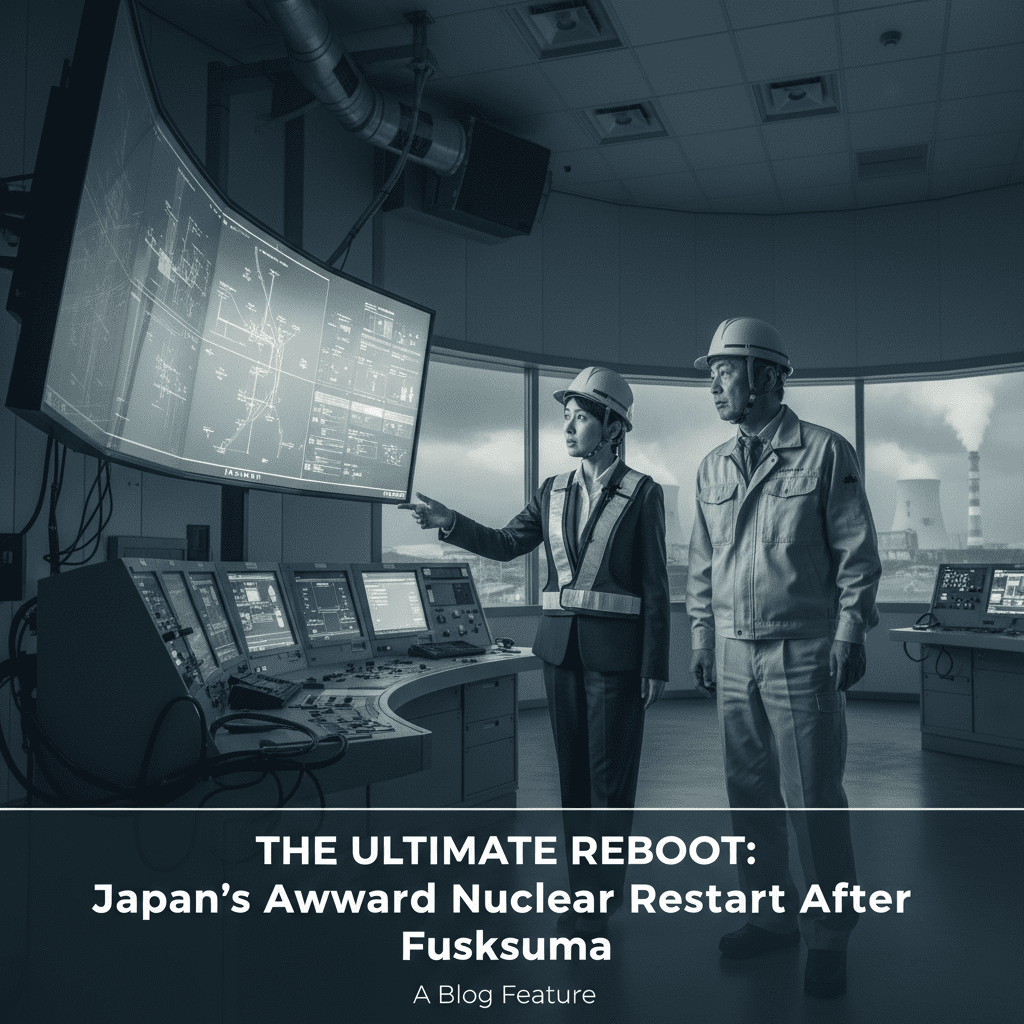
Remember the golden rule of IT support? When all else fails, turn it off and on again. It seems Japan has taken this advice to a national scale with its energy policy. After the harrowing Fukushima Daiichi incident in 2011, the country performed a system-wide shutdown on its nuclear reactors, effectively pulling the plug on a massive chunk of its power grid. For over a decade, those silent concrete domes were monuments to a national trauma. But now, facing a global energy crisis and ambitious climate goals, Japan is dusting off the old manuals for a complex and incredibly awkward reboot. The great japan nuclear restart fukushima-era shutdown is over, and the process is a masterclass in bureaucratic absurdity.
The World’s Strictest Permission Slip
You can’t just flip a switch on a nuclear reactor that’s been napping for ten years. First, you have to get past the Nuclear Regulation Authority (NRA), a body formed post-Fukushima with a safety checklist that makes a NASA pre-flight inspection look like a grocery list. Imagine trying to get a software update approved, but every line of code needs a unanimous vote from a town council, seismic stress tests, and a PowerPoint presentation on its feelings about tsunami walls. The paperwork alone could probably power a small city if you burned it. Each reactor restart is less a technical procedure and more a high-stakes bureaucratic opera, with local governments, citizen groups, and engineers all vying for the conductor’s baton.
The ‘It’s Complicated’ Energy Relationship
So, why go through all this trouble? Because Japan, like much of the world, is caught in an energy triangle of doom. The options are:
- Fossil Fuels: Reliable, familiar, but expensive and actively trying to cook the planet. Relying on imported gas and oil is like basing your entire retirement plan on a friend’s vague promise to pay you back.
- Renewables: The clean, green dream. But solar and wind are intermittent, and Japan’s mountainous geography makes large-scale deployment a logistical puzzle. It’s the brilliant but flaky artist of the energy world.
- Nuclear Power: Immensely powerful, carbon-free, but comes with some serious historical baggage. It’s the ex you know you probably shouldn’t call, but who was also really good at paying their half of the electricity bill on time.
Faced with these choices, Japan is begrudgingly swiping right on nuclear again. The decision to restart reactors isn’t born from a newfound love for atomic energy, but from the cold, hard logic of keeping the lights on and meeting carbon targets in a volatile world. The japan nuclear restart fukushima taught everyone was a hard lesson, but the new reality of energy security is forcing a pragmatic, if uneasy, reconciliation. It’s a story of a nation trying to debug its future, one colossal, complicated machine at a time.