
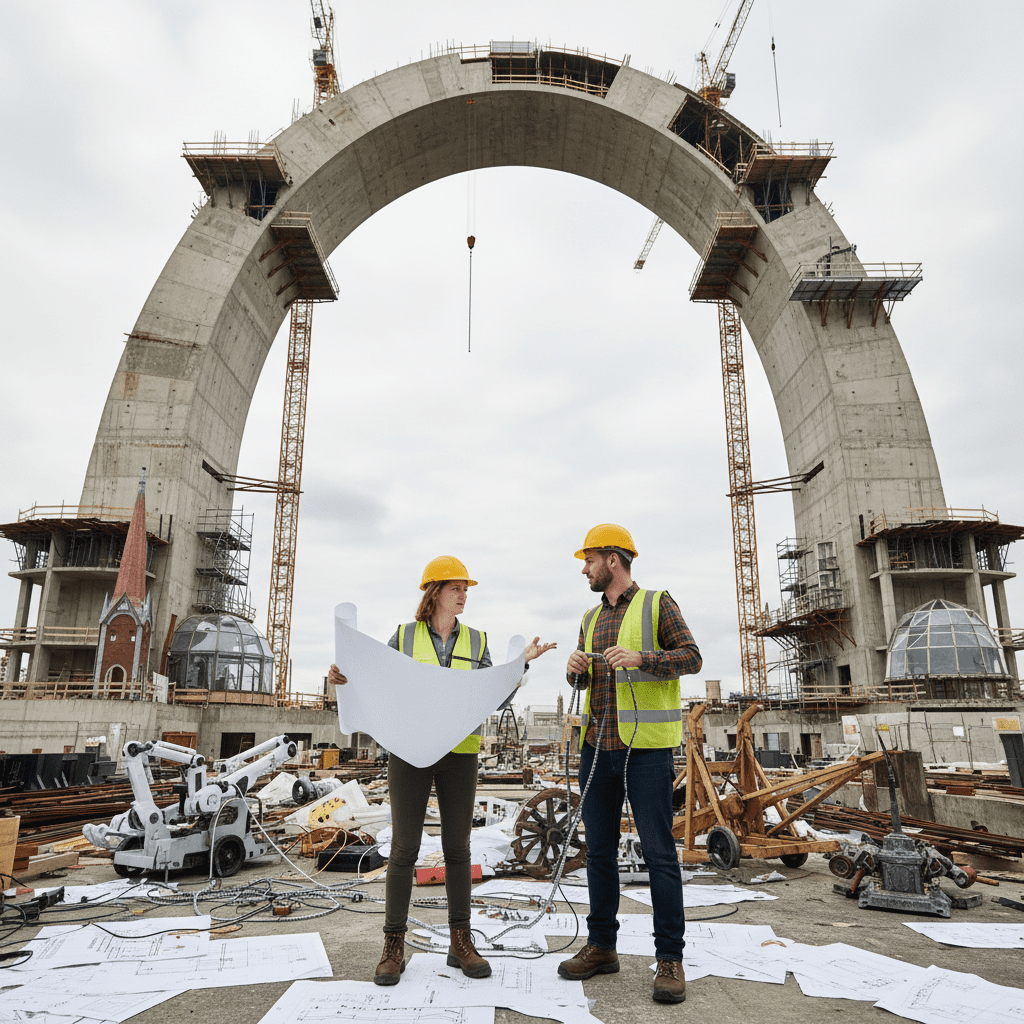
Have you ever sat in a sprint planning meeting where a simple request to “update the login button” somehow morphed into “build a proprietary blockchain”? If so, you will deeply understand the architectural phenomenon currently making headlines. Let’s look at the proposed Trump Washington arch design through the exhausted, over-caffeinated eyes of a project manager.
The Initial Sprint Planning
Every monumental project starts with a Minimum Viable Product (MVP). In monument terms, that’s usually a nice plaque or a modest statue. But then the stakeholder feedback rolls in. Suddenly, your modest deliverable scales up into a 250-foot behemoth. As a project manager, watching an arch design scale to the size of a skyscraper is the physical embodiment of scope creep. You can practically hear the lead developer sighing as the specs get updated in real-time.
Ticket #404: The Fauna Integration
Just when you think the timeline is locked, a new epic drops into the backlog: Add wildlife. You now have to explain to your structural engineers why eagles and lions weren’t in the original sprint. Here is what the Jira board probably looks like:
- Task: Source bronze for massive eagle. Status: Blocked by supply chain constraints.
- Task: Ensure lions look majestic, not sleepy. Priority: Blocker.
- Bug: Arch is currently only 240 feet tall. Needs 10 more feet to meet new acceptance criteria.
Deploying to Production
Whether you are building a towering archway or a simple web app, the bureaucratic glitches remain the same. Approvals stall, budgets require an extra zero, and someone invariably asks if we can make it “pop” a little more. The sheer scale of the Trump Washington arch design is a masterful reminder that no matter the medium—be it marble, bronze, or Python—feature creep comes for us all. Next time your client asks to add a chat widget at the eleventh hour, just be thankful they aren’t asking for a 250-foot archway covered in lions.