
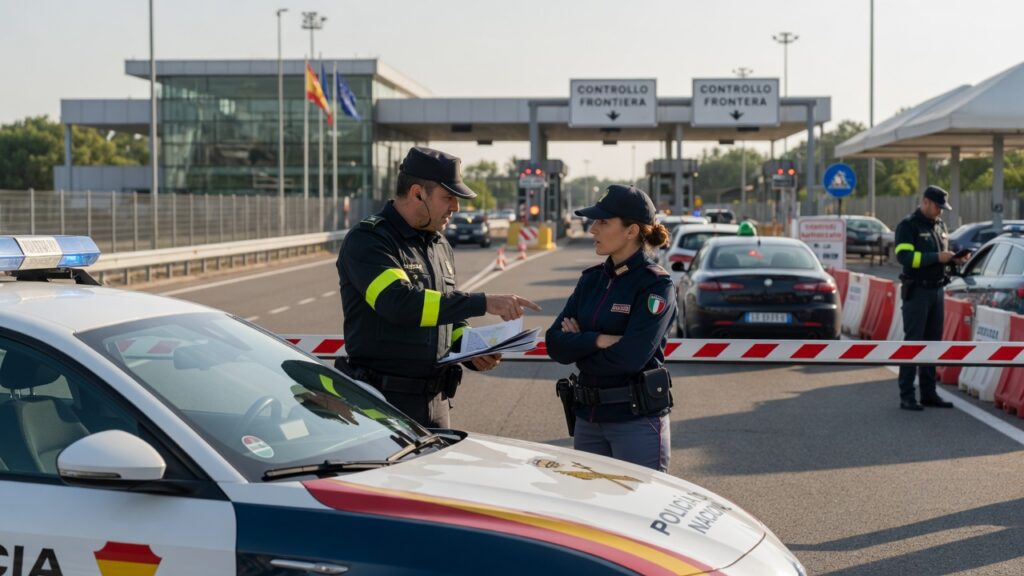
Nations squabbling over traveler rules like neighbors fighting about shared driveways is bridging EU red tape to every traveler’s airport security nightmare. Spain’s recent 48-hour ultimatum to Italy over border procedures has spotlighted the fragile coordination required to manage migration flows, particularly around Ceuta, while exposing the underlying technology platforms that enforce these rules across the Schengen Area.
Understanding The Spain Italy Border Checks Dispute Ceuta Migrants Explained
The dispute centers on Spain’s demand for tighter coordination on migrant processing and traveler verification. Italy’s response, or lack thereof, has triggered temporary reintroduction of checks at key crossing points. These measures directly affect the digital systems that underpin free movement, forcing reliance on real-time data exchanges between national authorities.
Key Technical Components Involved
- Schengen Information System (SIS) database queries for alerts and biometric matches.
- Automated border control gates using facial recognition and passport scanning.
- Cloud-hosted migrant registration platforms shared across member states.
Infrastructure And Cybersecurity Implications
Border management today depends on interconnected data centers and secure networks. Any sudden policy shift strains these systems, increasing latency in identity verification and raising risks of data synchronization errors. Cybersecurity teams must monitor for potential exploits during periods of heightened manual checks, as legacy fallback procedures often bypass modern encryption standards.
Policy Shifts And Long-Term Strategy
EU officials are now accelerating discussions on unified digital identity frameworks and enhanced API integrations between national border agencies. Such upgrades could reduce friction for legitimate travelers while improving traceability of migration patterns. The current drama underscores the need for resilient infrastructure that can adapt to political disagreements without disrupting daily operations at airports and land borders.