
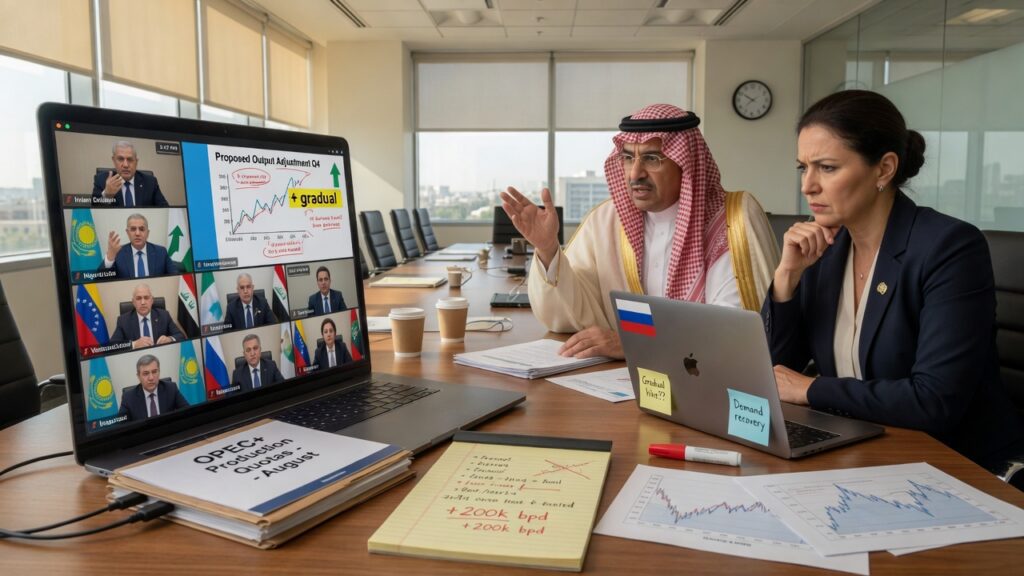
OPEC+ Oil Output Hike: Unraveling Monthly Meeting Chaos
OPEC+ nations stunned markets last week by signaling a gradual hike in oil production starting next quarter. The move, discussed during yet another intense virtual gathering, highlights the alliance’s ongoing struggle to balance supply with recovering global demand. As crude prices hover near $80 per barrel, this decision could reshape energy markets for months to come.
Background on OPEC+ and Production Strategy
OPEC+, the expanded group including Russia and other non-OPEC producers, controls roughly 40% of global oil supply. Formed in 2016 to counter the shale boom, the coalition has alternated between deep cuts and cautious increases. Their strategy relies on monthly meetings where ministers debate quotas, often extending sessions late into the night.
Recent data shows world oil demand climbing to 102 million barrels per day. Yet oversupply risks persist from U.S. shale and rising output in Brazil and Guyana. OPEC+’s pivot toward hiking output aims to recapture market share without crashing prices.
The Decision to Increase Output
At the latest gathering, Saudi Arabia and allies agreed to unwind some voluntary cuts by 500,000 barrels per day starting in October. This phased approach allows flexibility if demand falters. Key drivers include:
- Stronger economic signals from China and India
- Pressure from member states needing revenue for budgets
- Competition with non-OPEC producers gaining ground
Analysts note the hike is modest compared to past surges. It reflects lessons from 2020 when abrupt changes triggered volatility. Still, the announcement sent mixed signals, with Brent crude dipping 2% initially before stabilizing.
Why Monthly Meetings Breed Madness
OPEC+’s calendar features near-constant deliberations. Unlike annual summits, these virtual sessions occur every 30 days, creating a cycle of anticipation and reaction. Participants juggle time zones, internal politics, and shifting geopolitics.
Russia’s role adds tension, as sanctions complicate coordination. Smaller members like Angola often push for higher quotas, clashing with Saudi caution. Leaks and social media speculation amplify drama, turning routine calls into market-moving events.
One Riyadh-based delegate described recent talks as “a high-stakes poker game where everyone holds different cards.” Delays in consensus frequently push meetings past midnight, frustrating traders worldwide.
Market and Economic Impacts
An output increase could ease gasoline prices for consumers but risks reigniting inflation concerns. Energy costs feed into broader price indices, influencing central bank policies.
- Price forecasts: Analysts predict Brent may settle between $75-$85 through year-end
- Stock reactions: Energy giants like ExxonMobil saw shares rise on the news
- Geopolitical ripple: Lower prices might strain Russia’s war economy while benefiting importers like Europe
Longer term, the hike underscores oil’s resilience amid the energy transition. Renewables grow, yet demand for petroleum products remains robust in aviation and petrochemicals.
Voices from the Industry
Energy economist Dr. Lena Torres noted, “OPEC+ is threading a needle—too little supply invites chaos, too much invites a price war.” Meanwhile, traders at major banks warn of potential volatility around upcoming meetings.
Independent producers in the Permian Basin view the move warily, fearing renewed pressure on margins. Environmental groups criticize the decision, arguing it delays decarbonization efforts.
Looking Ahead
Future meetings will monitor inventory levels and macroeconomic data closely. If demand surprises to the upside, further hikes could follow. Conversely, recession fears might force reversals.
Investors should watch compliance rates among members, as cheating on quotas has historically undermined agreements. Technology like AI-driven demand modeling may soon influence decisions, adding a modern twist to this age-old cartel dynamic.
OPEC+’s latest maneuver proves that oil diplomacy remains as unpredictable as ever. With monthly meetings locked in, expect continued drama—and opportunities—for market participants navigating the energy landscape.