
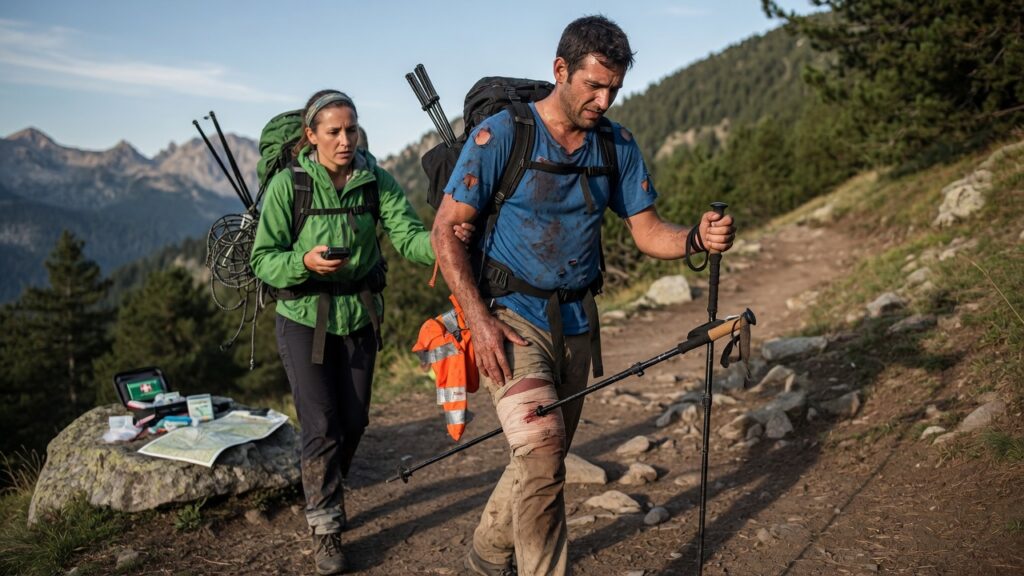
The story of a Montana man impaled by trekking pole who hikes to safety underscores a growing challenge in outdoor technology: equipment designed to enhance safety can instead introduce critical points of failure when least expected. As extreme adventure trends expand, the integration of sensors, GPS mapping, and connected applications into hiking gear creates new dependencies that mirror broader issues in IT infrastructure resilience.
Connecting Outdoor Gear Failures To Infrastructure Vulnerabilities
Modern trekking equipment increasingly incorporates digital components such as location trackers and environmental sensors that feed data into cloud-based platforms. When these systems malfunction, the consequences parallel outages in data centers or network disruptions, forcing users to rely on manual overrides or personal endurance. This incident illustrates how a single hardware flaw can escalate into a prolonged survival scenario, highlighting the need for redundant design in consumer-facing technology.
Data Implications For Emergency Response Systems
Incident reports like this one provide valuable datasets for refining predictive algorithms used in navigation apps and satellite communication services. Analysts note that aggregated trail data can improve risk modeling, yet gaps in real-time monitoring often leave users exposed during critical windows. Organizations managing outdoor infrastructure must prioritize data integrity to prevent similar equipment betrayals from compounding into larger operational failures.
Strategic Recommendations For The IT And Outdoor Tech Sector
- Implement rigorous testing protocols for connected devices to simulate extreme conditions before deployment.
- Develop policy frameworks that mandate backup analog systems alongside digital features in adventure equipment.
- Invest in cybersecurity measures to protect location data streams from interference that could worsen physical incidents.
These steps can reduce the real-world impact of gear failures, turning potential disasters into manageable events through better system architecture.