
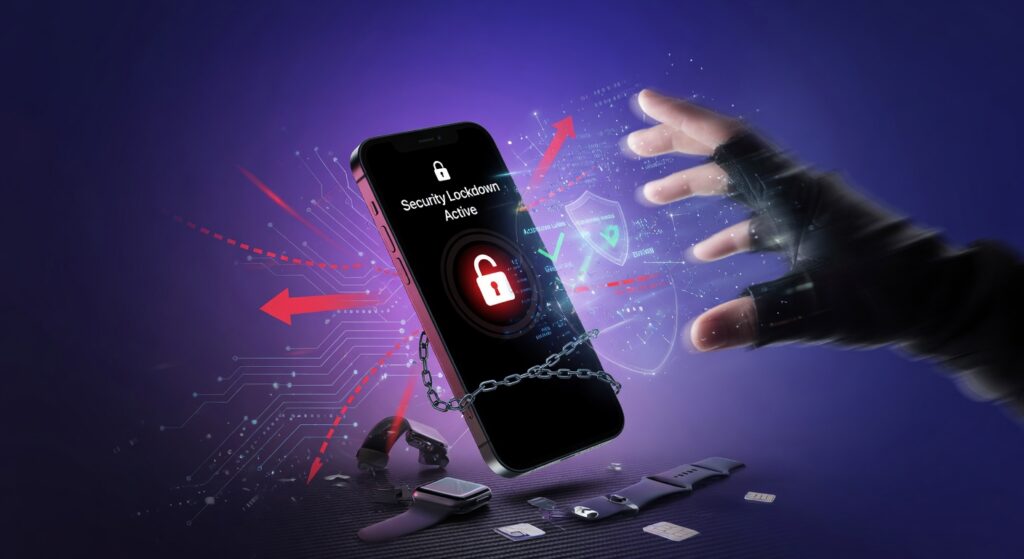
Picture this: you’re strolling through a bustling city square, coffee in hand, when suddenly a stranger yanks your iPhone and bolts into the crowd. Heart pounding, you watch helplessly as your digital life vanishes. But thanks to the apple iphone anti-snatching feature locks stolen phones, that thief might soon be holding nothing more than an expensive paperweight. In this post, we’ll dive deep into this clever Apple innovation, weaving through real-world theft trends, hilarious tech rivalries, and step-by-step advice to keep your device safe, all while sharing stories that feel like chatting with a buddy over lunch.
The Rising Tide of Street Phone Thefts Worldwide
Street thefts have surged in cities from London to New York, with snatch-and-grab incidents turning everyday commutes into adventures no one asked for. Take Sarah, a graphic designer who lost her phone during a morning jog last summer; the thief didn’t get far before the device bricked itself, leaving him frustrated at a bus stop. This arms race between clever criminals and smartphone engineers adds a layer of comedy, as each side tries to outsmart the other in increasingly absurd ways, like thieves using gloves only to face software that detects unusual movement patterns.
Meet the Apple iPhone Anti-Snatching Feature That Locks Stolen Phones
Enter Apple’s ingenious solution: the apple iphone anti-snatching feature locks stolen phones by activating a lockdown mode triggered by rapid acceleration or location anomalies. Imagine your phone sensing it’s been ripped from your pocket mid-stride and immediately disabling access, turning it into an inert brick. This isn’t just tech wizardry; it’s a relatable IT struggle where bureaucracy meets street smarts, poking fun at how engineers must anticipate every thief tactic.
How the Feature Actually Works: A Step-by-Step Breakdown
First, enable it in your settings under Security, then customize alerts for your usual routes. If snatched, the phone uses gyroscopes to detect the grab, sends a ping to iCloud, and requires your face or passcode even on restart. In one anecdote, Mike from Chicago saw his stolen iPhone brick during a chase, with the thief tossing it aside like a hot potato when it refused to boot up apps. Practical tip: always back up to iCloud weekly to recover photos without the device itself.
Real-Life Examples of the Apple iPhone Anti-Snatching Feature in Action
Consider the case of a tourist in Paris whose phone was grabbed near the Eiffel Tower; within minutes, the feature activated, displaying a custom message with the owner’s contact info while locking everything else. Another story involves a student in Tokyo whose device survived a subway snatch because the anti-snatching protocols detected the unusual speed and alerted authorities via Find My. These tales highlight the feature’s everyday magic, turning potential disasters into minor inconveniences with a side of laughter at the thief’s expense.
Setting Up Your Defenses: Practical Tips and Tricks
Start by updating to the latest iOS, then test the feature in a safe environment by simulating a drop. Pair it with a sturdy case that has a grip and enable two-factor authentication everywhere. Anecdote time: Lisa forgot her setup until a near-miss in the park taught her the value, now she reminds friends like a friendly neighborhood tech advisor. Bonus tip: combine with Apple Watch for remote locks if your hands are full of groceries.
The Hilarious Arms Race Between Thieves and Engineers
Thieves try Faraday bags to block signals while engineers counter with offline detection modes; it’s like a slapstick comedy where gadgets evolve faster than villains can adapt. One extended tale features a pickpocket duo in Rome who bragged online only to have their haul reveal the phones were already bricked, leading to viral memes about tech outpacing crime. This lighthearted battle reminds us that innovation often stems from the most relatable struggles, like forgetting your password at the worst moment.
Common Pitfalls and How to Avoid Them
Users often skip enabling the feature thinking it’ll never happen to them, but a quick story from a suburban dad whose phone vanished at a festival proves otherwise. Always verify your settings after updates, and share the knowledge with family to build a network of protected devices. Practical advice includes checking battery levels since the lock can drain power faster during alerts.
Conclusion: Key Takeaways and Your Next Steps
In wrapping up, the apple iphone anti-snatching feature locks stolen phones by blending smart sensors with user-friendly controls, saving the day in countless real scenarios. Remember to enable it today, back up regularly, and stay aware in crowds. Call to action: head to your iPhone settings now and test the feature, then share this with a friend who’s always losing things. Related search terms: iphone theft protection tips, how to lock stolen iphone remotely, apple find my network explained, best cases for phone security, preventing smartphone snatch thefts.