
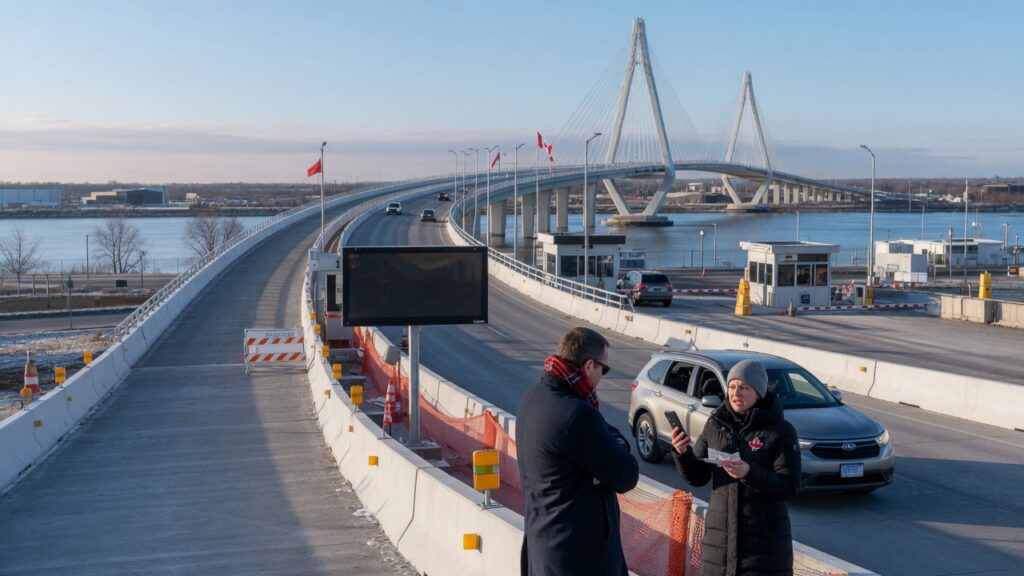
The long-awaited Gordie Howe International Bridge between Detroit and Windsor opened with significant fanfare as a major infrastructure achievement, yet policy restrictions have quickly turned the new crossing into an underutilized asset that forces many travelers and shippers into longer, less efficient routes.
The Bureaucracy Behind the Bridge
Decades of cross-border negotiations, environmental reviews, and funding agreements shaped the Gordie Howe Bridge project, creating a structure designed to handle high volumes of commercial and passenger traffic. However, recent policy directives advising Americans to avoid the crossing have limited its immediate utility, highlighting how regulatory frameworks can override physical infrastructure gains.
Implications for Technology Supply Chains
Modern infrastructure like this bridge plays a critical role in supporting the movement of hardware components essential to data centers, semiconductor manufacturing, and cloud computing operations. Delays or detours increase logistics costs and extend delivery timelines for servers, networking equipment, and specialized electronics that rely on just-in-time North American trade flows.
Data Center and Connectivity Impacts
Tech companies building or expanding facilities near the border depend on reliable cross-border access for both physical goods and related services. When policy measures discourage use of a new high-capacity link, the result is added strain on older crossings already operating near capacity, potentially affecting uptime and expansion plans in the broader digital infrastructure ecosystem.
Policy, Security, and Future Integration
Effective border infrastructure requires coordinated digital systems for customs processing, security screening, and data sharing between agencies. The current situation underscores the need for aligned policy and technology investments to ensure new physical assets deliver their intended economic and operational benefits rather than becoming symbols of fragmented strategy.