
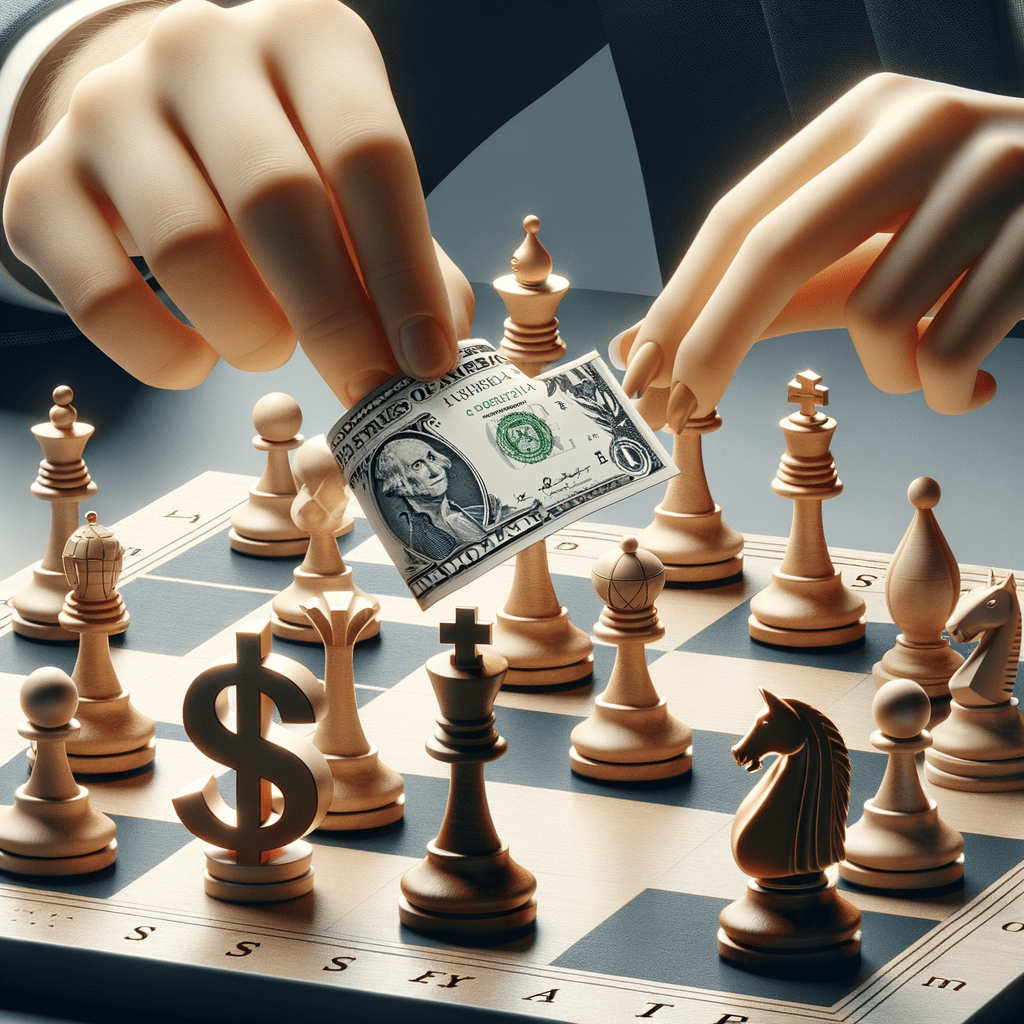
For decades, the US dollar has been the world’s default operating system. Like Windows 95, it’s not perfect, it’s had a few catastrophic crashes, but everyone knows the keyboard shortcuts and where the start menu is. Most of the world’s financial “software” is designed to run on it. But what happens when that trusty OS starts getting a bit sluggish, throwing up error messages, and generally nosediving in value? You get a frantic, global scramble as everyone tries to figure out if it’s time to switch to Linux (the Yuan?) or that flashy new macOS (the Euro?). This isn’t just a market fluctuation; it’s a high-stakes game of global currency chess, and the pieces are moving.
The Winners Circle: Popping the Champagne
A weaker dollar isn’t a funeral for everyone. For some, it’s like finding a golden ticket in their balance sheet. Here’s who’s cashing in:
- US Exporters: Suddenly, American-made tractors, software, and movies are on a global discount rack. It’s like their international e-commerce site suddenly offered free shipping and 20% off everything. Sales go up, and champagne corks start flying.
- Nations with Dollar-Denominated Debt: Imagine owing a friend $1,000. Then, overnight, the value of that dollar drops. In your local currency, the debt just got smaller. It’s the financial equivalent of your friend texting, “Eh, just pay me back $800, we’re cool.” Many emerging economies just breathed a huge sigh of relief.
- Tourists Visiting America: If you’re holding Euros, Yen, or Pounds, welcome to the great American fire sale! Your money now stretches further, buying you more giant sodas and trips to Disney World. The whole country feels like it’s on Black Friday.
The Losers Lounge: Where’s the Tylenol?
Of course, for every winner, there’s someone else staring at their portfolio like it just tried to install BonziBUDDY. The losers’ lounge is crowded:
- Foreign Central Banks: Countries like China and Japan have been hoarding US dollars like a dragon hoards gold. A weaker dollar means their massive treasure chest is shrinking in value. It’s the economic equivalent of discovering your emergency food supply is just expired pudding.
- US Importers: That fancy French wine, German car, or cheap electronic gadget from Asia? It just got more expensive. For companies relying on international supply chains, it’s like their main supplier just switched to premium-only pricing, and the invoice is due.
- American Tourists Abroad: Your dollar now buys you one less croissant in Paris and about half a pint in London. You’re experiencing the other side of the currency exchange coin, and it feels like a universal tourist tax has just been levied against you personally.
The Grand Chessboard: What’s the Next Move?
The real impact of the US dollar decline on the global economy is this fundamental reshuffling. It forces countries to rethink their reliance on a single currency. Will we see a rise in a multi-polar currency world, where the Euro, Yuan, and Dollar all compete for dominance? It’s like going from a world with one internet provider to having three, all with different plug types and confusing service agreements. The dollar isn’t being deleted from the system, but it might be getting downgraded from “System Administrator” to just another “User with Privileges.” This isn’t a crash; it’s an awkward, system-wide update that nobody asked for but everyone has to install. Get ready for a reboot.