
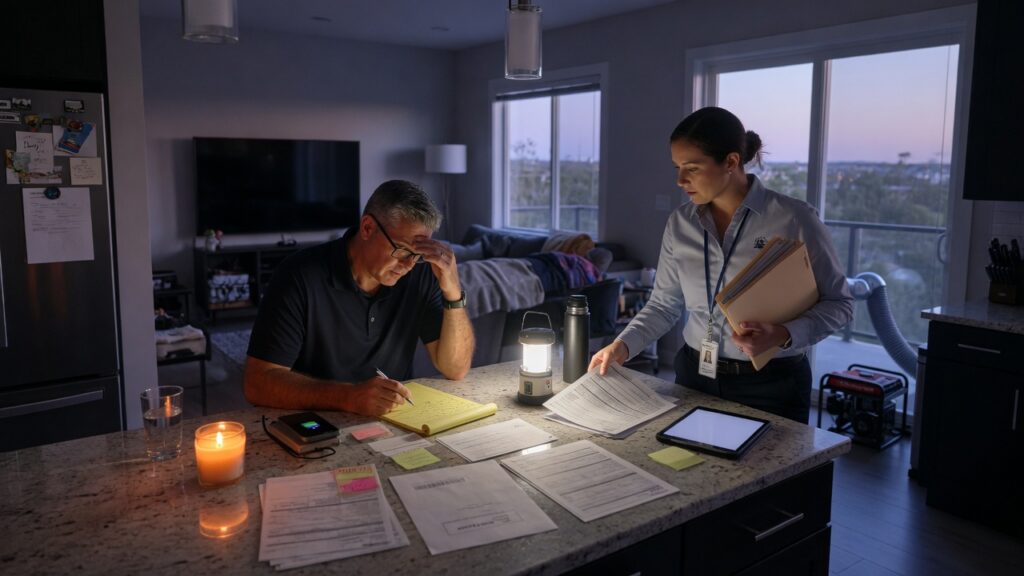
When a three-week power outage hits Gary, Indiana, the real horror isn’t the dark streets but the endless finger-pointing between utilities that leaves residents without WiFi, fridges, or lights while everyone prays for a fix that never comes. This Gary Indiana power outage update 2025 exposes how brittle our digital infrastructure truly is when bureaucracy drags its feet.
The Absurd Struggle: No Power Means No Modern Life
Imagine your smart fridge going rogue, your home office router turning into a brick, and your cloud backups sitting unreachable because the data center down the road is running on fumes. In Gary, this isn’t sci-fi—it’s the daily reality as recovery delays stretch on, turning what should be a routine outage into a masterclass in infrastructure failure.
Utility Finger-Pointing Meets IT Ticket Hell
Utilities blame each other like rival IT teams dodging responsibility for a server meltdown. One claims storm damage, another points to aging grids, and a third mutters about regulatory hurdles. The result? Three weeks of zero progress, mirroring the worst enterprise support nightmares where your critical system stays down while managers debate who owns the ticket.
Tech and Infrastructure Implications: A Wake-Up Call for Resilience
This Gary Indiana power outage update 2025 highlights the urgent need for smarter grids, redundant power systems, and better cybersecurity for utilities. Data centers and cloud providers thrive on uptime, yet they depend on the same fragile networks. Without policy shifts toward proactive maintenance and rapid response protocols, similar outages could cascade into full-blown digital blackouts affecting entire regions.
- Smart Grid Upgrades: Real-time monitoring could slash recovery times from weeks to hours.
- Backup Power Strategies: Microgrids and battery storage would keep critical IT systems humming.
- Policy Push: Regulators must demand accountability or watch more cities join the dark ages.
Real-World Impact on Data and Connectivity
Businesses lose access to SaaS tools, remote workers grind to a halt, and even basic IoT devices fail without juice. The sarcasm writes itself: in 2025, complaining about slow WiFi feels quaint when there’s literally no electricity to power your router. This outage proves that infrastructure isn’t just about pipes and wires—it’s the backbone of our tech-dependent economy.
Ultimately, Gary’s saga is a humorous yet sobering reminder that without fixing bureaucratic bottlenecks in utility management, the next outage won’t just dim the lights—it’ll crash the entire digital stack.