
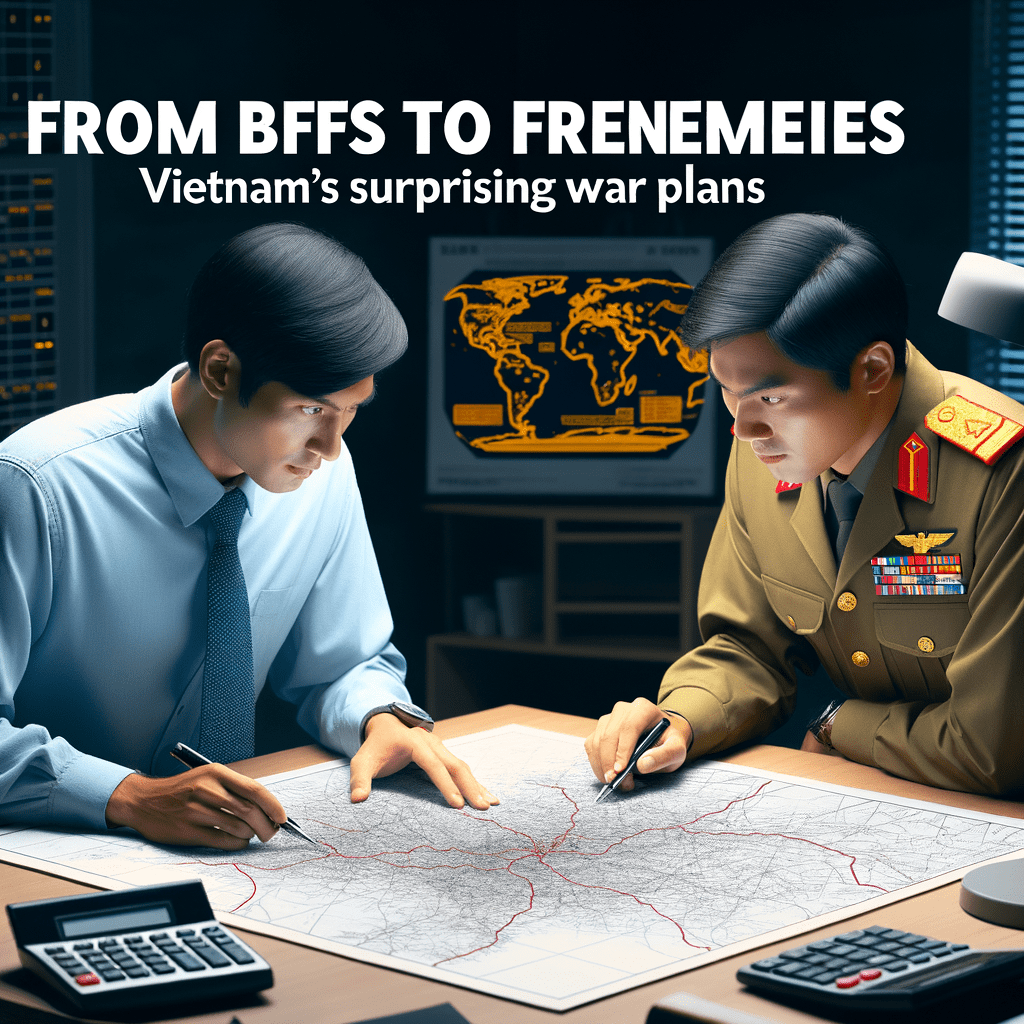
Picture this: You and your best friend are inseparable. You finish each other’s sentences, you have a booming lemonade stand business together, and you’ve even started coordinating outfits. Then, one day, you find a detailed, color-coded binder under their bed titled “Plan B: How to Sabotage the Lemonade Stand and Win the Neighborhood.” Awkward, right? Welcome to the current state of US-Vietnam relations.
For decades, the story has been one of reconciliation and blossoming friendship. The US is Vietnam’s largest export market, and the two countries have been getting cozier by the year, united by shared economic interests and a mutual side-eye towards China. But then, a recently surfaced vietnam us relations military document threw a comedic wrench in the works, revealing that Vietnam’s military is still actively training for a potential conflict with… you guessed it, the United States.
The World’s Most Awkward ‘Just In Case’ Binder
Before anyone starts digging a Cold War-era bunker, let’s be clear: this isn’t a sign of impending doom. It’s more of a bureaucratic hiccup. Think of it like a corporate disaster recovery plan. Does the IT department *expect* the main server to be carried off by a flock of angry geese? No. But do they have a 500-page document outlining the exact protocol for that scenario? You bet they do. Militaries are the ultimate “what-if” planners. They have contingency plans for everything, from alien invasions to a surprise attack by their closest ally. It’s standard procedure, but it’s hilariously awkward when the ‘what-if’ scenario involves the same country you’re scheduled to have a trade summit with next Tuesday.
It’s Not You, It’s My Geopolitical Reality
The irony here is thicker than a humid Hanoi summer. The very document outlining defense strategies against American air and naval power exists while the two nations are simultaneously deepening their own military and economic ties. It’s a perfect example of the ‘frenemy’ paradox in international politics. Consider the absurdity:
- The US is Vietnam’s top destination for exports, buying billions of dollars worth of clothes, shoes, and electronics.
- Both countries collaborate on security issues in the South China Sea.
- High-level officials from both nations are constantly meeting, smiling, and shaking hands for the cameras.
This military document feels like a relic from a different time, a piece of legacy code in the geopolitical operating system that no one has gotten around to deleting yet. It’s a reminder that even as nations become partners, the old institutional muscle memory of “prepare for the worst” dies hard.
So, Are We Still On for Pho?
Ultimately, this revelation is less a diplomatic crisis and more a funny peek behind the curtain. It doesn’t mean the friendship is fake. It just means that in the world of global strategy, you keep all your options—and all your old paperwork—on the table. The US-Vietnam relationship isn’t about to be downgraded. It’s just been re-categorized to “It’s Complicated, But We’re Making It Work (And We Both Have Binders).”