
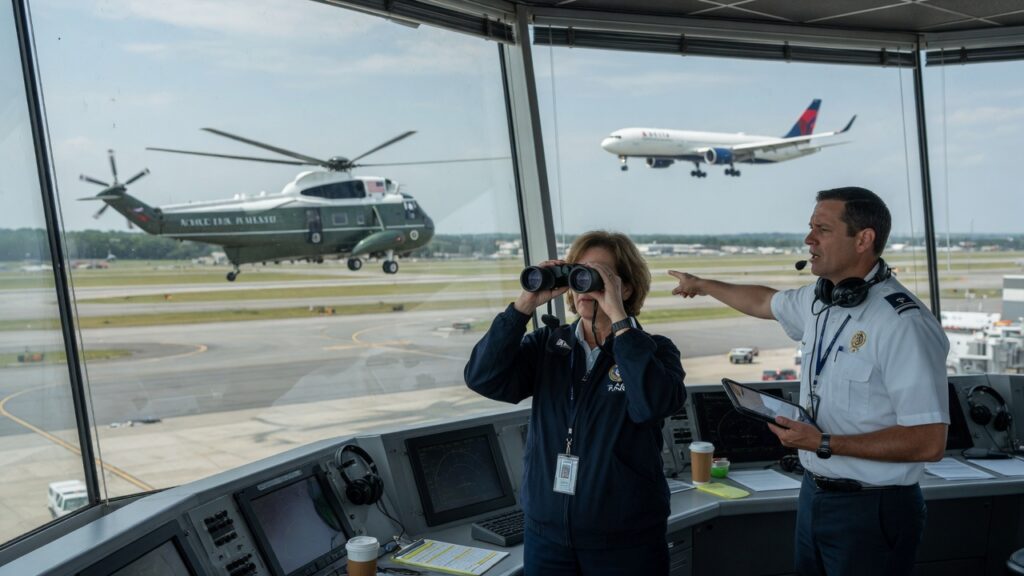
The recent FAA investigation into a near-miss between Marine One and a passenger jet underscores how isolated technical issues in air traffic systems can contribute to broader delays experienced by everyday travelers at commercial airports.
Connecting Elite Airspace Events To Routine Delays
Incidents involving high-profile aircraft often trigger extended reviews that examine underlying software, radar integration, and communication protocols. These processes mirror the technical reviews that follow routine glitches in commercial aviation, where outdated data-sharing platforms can slow decision-making across the national airspace network.
Key Technical Factors In The Investigation
Investigators are focusing on real-time data exchange between military and civilian systems. Potential areas include radar tracking accuracy, automated conflict-alert software, and secure voice-data links that must operate without latency. Any identified gaps could point to the need for upgraded cloud-based air traffic management platforms capable of handling mixed military and commercial traffic.
Implications For Broader Infrastructure
Modernizing these systems requires coordinated investment in cybersecurity measures and resilient data centers. Without upgrades, similar technical shortfalls may continue to cascade into scheduling disruptions that affect passengers nationwide.
Policy Considerations For Future Upgrades
The review process highlights the importance of streamlined certification for new aviation technologies. Faster integration of advanced analytics and automated monitoring tools could reduce the duration of bureaucratic evaluations while improving overall system reliability for all airspace users.