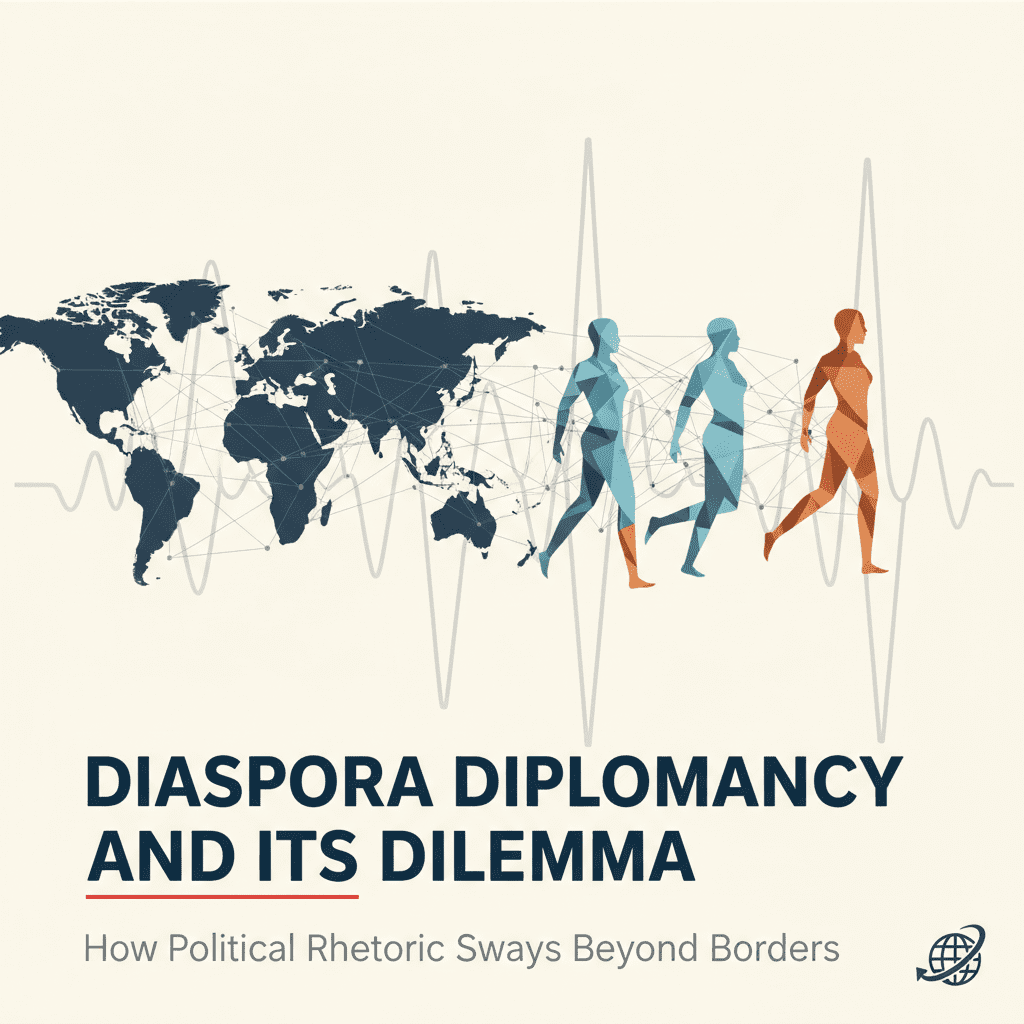
In today’s global melting pot, political rhetoric doesn’t just stay within the borders—it hops on the next flight out, reaching far and wide. Politicians, bless their hearts, often target specific immigrant communities, not realizing (or perhaps, fully realizing) their words might just cause an international kerfuffle. Let’s dive deep into how these verbal volleys can affect diplomatic ties with home countries, in a world where WhatsApp messages fly faster than diplomatic cables.
The Ripple Effect of a Careless Whisper
Imagine this: a politician makes a not-so-flattering comment about a certain diaspora. Before you know it, this comment is trending on Twitter, stirring up old pots of political soup back in the homeland. It’s like watching a match of ping pong where the ball is a fiery tweet and the players are continents apart. This intercontinental whisper game can often lead to tightened visa policies, trade kerfuffles, or even embassies playing ‘who can ignore the most phone calls’.
- Highlighting the power of words in the digital age
- Examining the unintended diplomatic dance triggered by political rhetoric
- Exploring case studies where political comments led to real-world drama
Words vs. Diplomatic Relations: A Tricky Balancing Act
It’s fascinating yet scary to analyze how a single phrase tossed out during a campaign rally can twist the fabric of international relationships. Every word a politician utters has the potential to be dissected by political analysts, spun by media, and then served on a platter to incite various reactions worldwide. It’s like a global game of telephone—except nobody wins, and the stakes are real people’s lives and livelihoods.
So, the next time you hear a politician targeting an immigrant group, remember—those words travel faster than you’d think. And in the world of diplomacy, it’s often the quietest whispers that cause the loudest storms.
Leave a Reply