
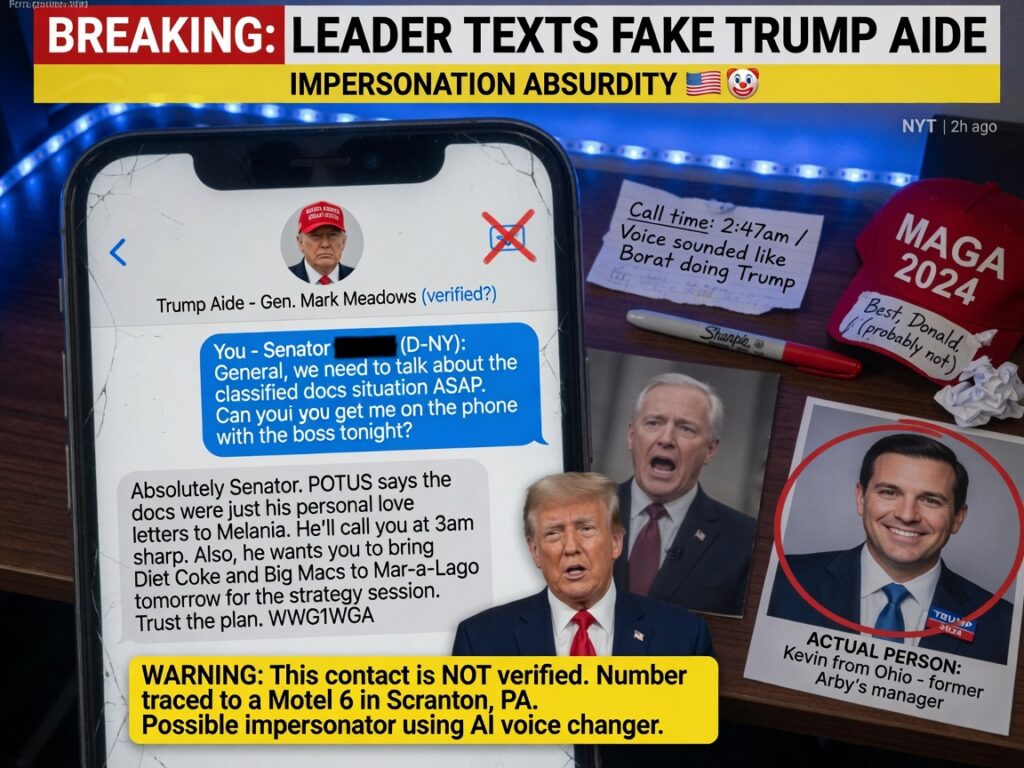
Picture this: a high-level leader falls for a fake Trump aide in a texting mix-up that screams impersonation absurdity, turning routine comms into a masterclass in verification fails we all know from daily spam battles.
The Daily Spam And Scam Reality Check
Whether it is your inbox flooded with phishing or mysterious texts claiming urgent business, these burnham texts impersonator trump chief of staff moments highlight how brittle our digital trust infrastructure really is, especially when basic identity checks get skipped in favor of speed.
Why Tech Infrastructure Keeps Failing Us
From SMS spoofing exploits to weak cloud-based messaging systems, the tech stack behind our communications often lacks robust multi-factor safeguards, leaving room for impersonators to slip through and create policy headaches in government and enterprise settings alike.
Real-World Impact On Cybersecurity Strategy
Organizations must rethink data center access protocols and endpoint verification tools to dodge similar absurdities, because one overlooked glitch can cascade into leaked strategies or worse, all while the rest of us laugh nervously at our own scam-filled phones.
- Implement stronger sender authentication in messaging apps
- Train teams on spotting impersonation red flags early
- Adopt zero-trust models for all high-stakes digital interactions
After all, if even top leaders trip over these trust glitches, the rest of us scrambling against spam deserve better infrastructure fixes before the next absurd text lands.