
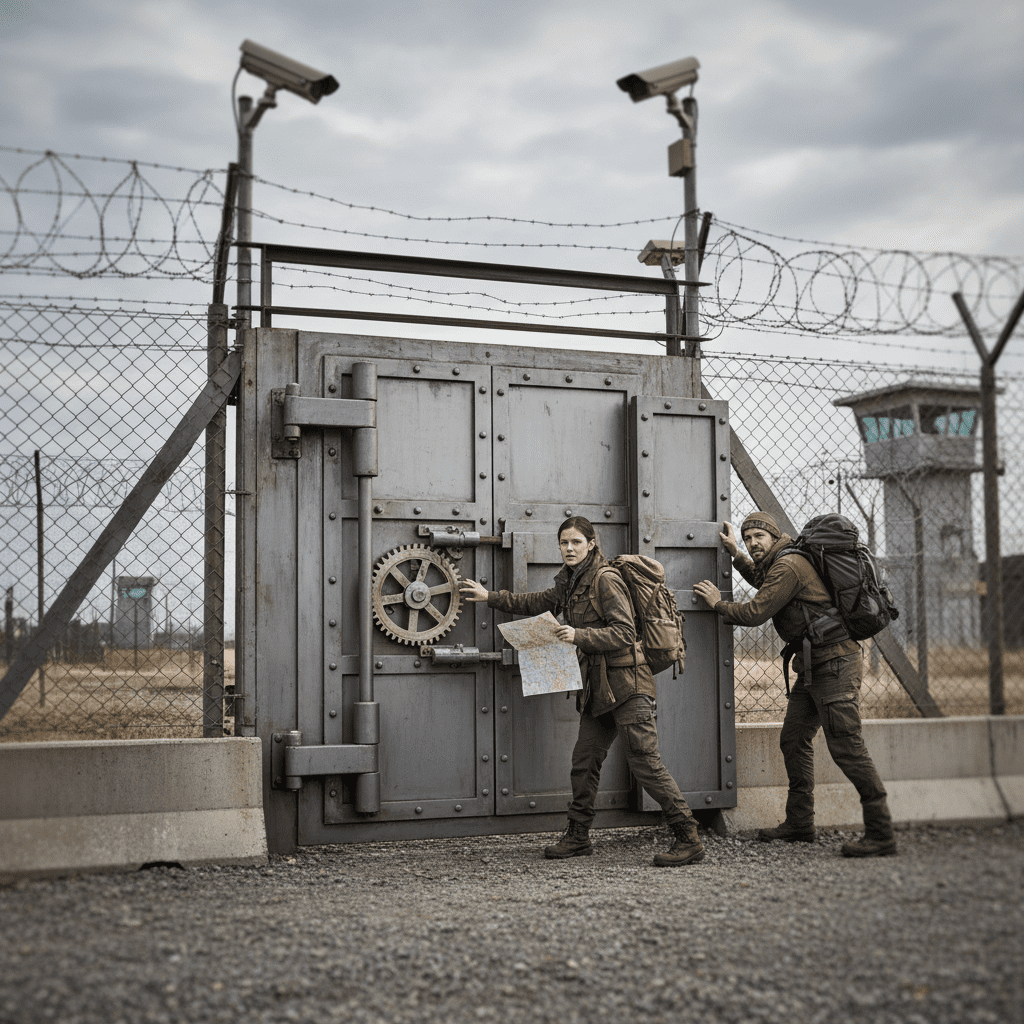
You know that one door at the office? The one that requires a specific keycard, a four-digit PIN, a gentle updraft, and the approval of Brenda from Accounting to open? We’ve all been there, jiggling a handle while questioning our life choices. Well, take that frustration, multiply it by a thousand, and you get a glimpse into the logistical ballet of the Gaza-Egypt border crossing reopening. It’s less of a gate and more of a global systems administration nightmare.
The Ultimate Access Control Challenge
At its core, opening a border is a permissions issue. But instead of one sysadmin, you have dozens of international stakeholders, each with their own admin panel, two-factor authentication requirements, and a deep-seated mistrust of everyone else’s password policies. It’s as if the Security, Logistics, Legal, and International Relations departments all had to approve a single help desk ticket before anyone could get a new stapler.
Imagine the change request log:
- Ticket #8675309: Grant temporary read/write access for 20 trucks.
- Status: Pending approval from 17 different security groups.
- Comment from [SECURITY]: “Payload must be scanned. We cannot verify the integrity of these packages. Please resubmit with a notarized list of every single item.”
- Comment from [LOGISTICS]: “The road is literally right there. Can we please just… open the door?”
When Permissions Go Global
The technical specifications for this particular ‘door’ are mind-boggling. We’re talking about a system running on legacy infrastructure (diplomatic phone calls) while trying to integrate with modern APIs (satellite phones and encrypted messages). The uptime is… questionable. The system is prone to closing without warning, often due to a sudden server reboot in a capital city hundreds of miles away. There’s no simple ‘on/off’ switch; it’s a series of levers, dials, and emergency stops controlled by people who aren’t in the same room, or even the same time zone.
So, the next time your keycard gets declined or the automatic door at the supermarket senses you as a threat, spare a thought for the folks managing the world’s most complicated access point. It puts your daily login troubles into a whole new perspective.